Get bulk orders for 30% less than local suppliers, plus free samples.
Get bulk orders for 30% less than local suppliers, plus free samples.
You spent hours perfecting your sticker design, but when the finished stickers arrive, they’re either impossible to peel or fall off the sheet before you even use them. The wrong cutting method can ruin even the most beautiful artwork, wasting your time, money, and brand impression.
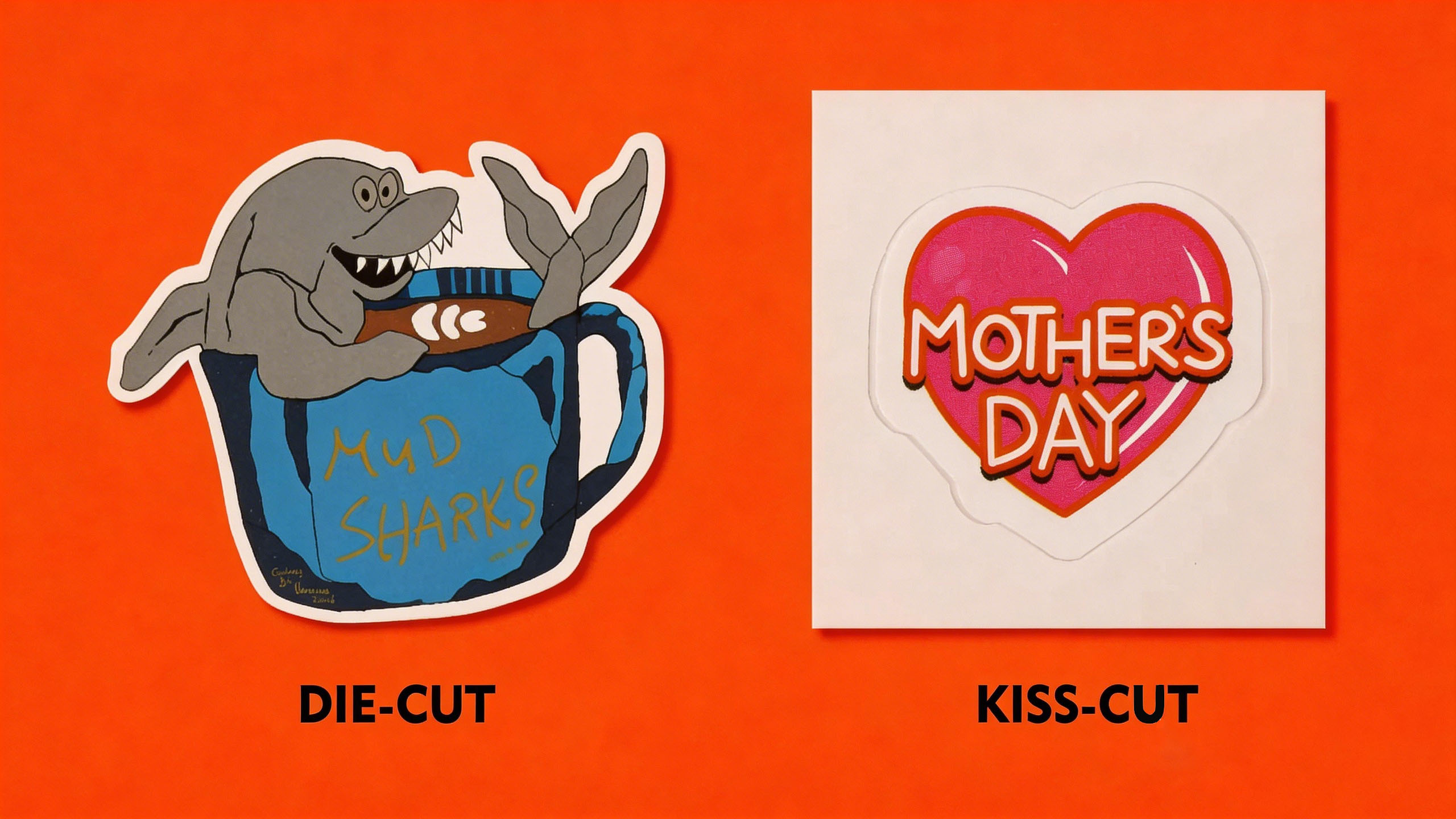
From my view on the factory floor at StickerForgeco, I can tell you that the cutting method you choose is just as important as the design itself. We can have the best printers and the most vibrant inks in the world, but if we use the wrong cut for your project, the final product will still feel wrong in your hands. Understanding the difference between kiss cut and die cut is the single most important step you can take to ensure your stickers look professional, function perfectly, and fit your budget.
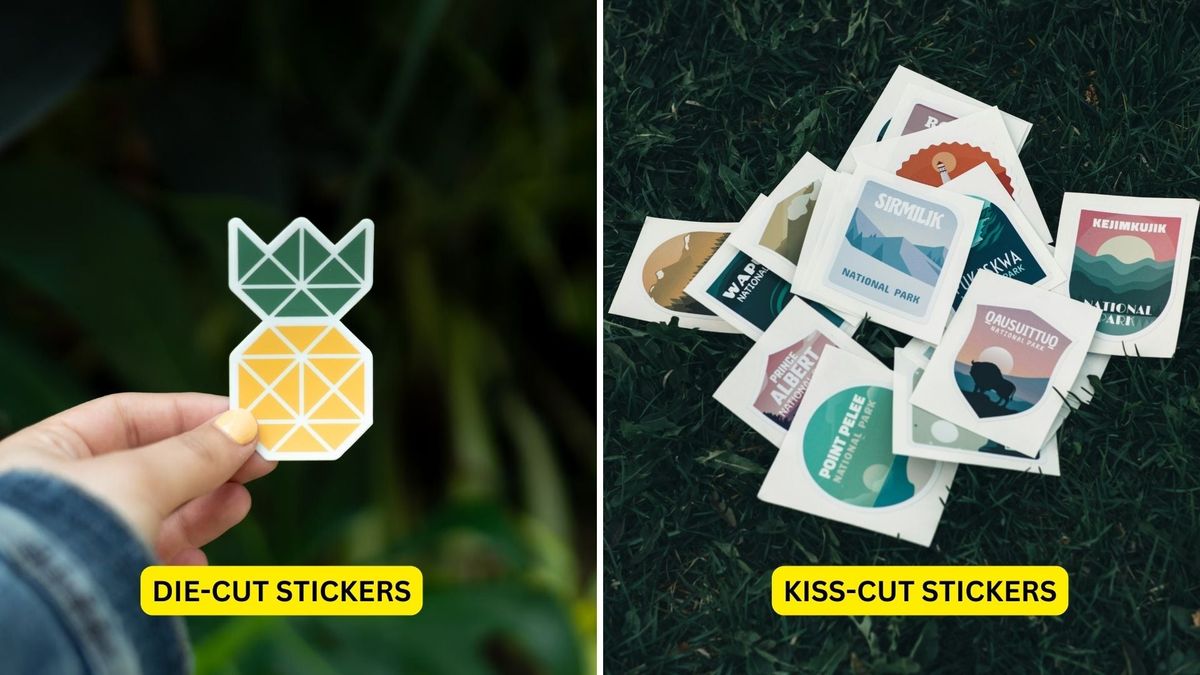
A kiss cut sticker is produced when our cutting blade gently “kisses” the top surface of the material. It cuts through the printed face layer but stops exactly at the backing paper, leaving the liner completely intact.
Think of it like a sheet of postage stamps. All the stickers remain attached to a single backing sheet until your customer peels one off. This design keeps everything organized, easy to store, and simple to distribute.
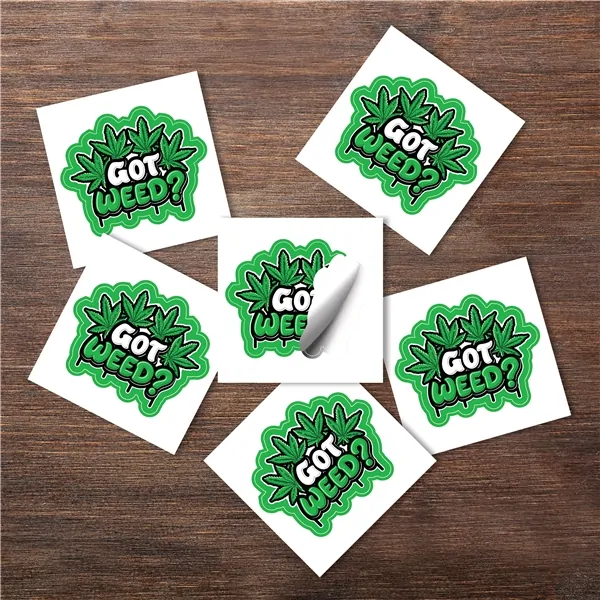
On my factory floor, we use kiss cutting when a customer needs multiple stickers on one sheet — whether it’s a variety pack of social media icons or a themed collection for planners and notebooks.
The process for kiss cut stickers is straightforward but requires surgical precision. Here is how we do it at StickerForgeco:
Design and Layout – You send us a vector file (PDF, AI, or EPS) with a clearly defined cut path. Our team checks that your artwork has enough space between individual stickers — at least 3mm — so the blade doesn’t accidentally cut into neighboring designs.
Printing – We print your artwork onto your chosen material (paper, vinyl, polyester) using high-resolution digital printers. At this stage, everything is still one solid sheet.
Kiss Cutting – Our computer-controlled laser or steel-rule die follows your cut path with calibrated pressure. The blade cuts through the face material but stops before touching the liner. This is the most critical step. If the pressure is too light, the sticker won’t peel. If it’s too heavy, we cut through the backing and ruin the sheet.
Matrix Removal (Optional) – We may peel away excess material between stickers, but the backing paper remains whole.
Packaging and Shipping – Your finished sheets are stacked, counted, and packed for delivery. Because the liner is intact, the sheets ship flat and arrive ready to use.
The key to success? A clean vector file with a clear cut path and proper spacing. Without that, even the best machine cannot save your stickers.
Kiss cut stickers offer several practical benefits that make them a favorite for marketing teams and small businesses alike:
Easy Peeling, Every Time – Because the liner stays intact, your customers can lift a single sticker from the edge without tearing the design or struggling with the release. This is a small detail that creates a big positive impression.
Space Efficiency – Multiple stickers can be arranged tightly on one sheet, reducing wasted material and lowering shipping costs. A single 8.5” x 11” sheet can hold dozens of small kiss cut stickers.
Ideal for Bulk Giveaways – Sheets are easy to count, pack, and distribute at trade shows, in e-commerce packages, or as direct mail inserts. You never have to deal with loose, tangled stickers.
Protection Before Use – The uncut liner acts as a dust cover and keeps your stickers perfectly flat until the moment of peeling. This is especially important for maintaining print quality on longer shelf lives.
Lower Cost for Large Volumes – Because kiss cutting does not require custom dies for each shape and skips the waste-stripping step, the per-sticker cost drops significantly at higher quantities.
Kiss cut stickers shine in applications where volume, organization, and ease of use matter more than custom shapes:
Brand Promotion and Giveaways – Startups, restaurants, and e-commerce brands use kiss cut sheets as freebies to increase logo visibility. Hand them out at events or tuck one into every package.
Social Media Campaigns – Influencers and content creators include a custom sticker sheet with merchandise orders to encourage unboxing shares and user-generated content.
Personal Planners and Scrapbooking – Hobbyists love being able to store many small decorative stickers on one organized sheet. The kiss cut format keeps their collection neat.
Product Inserts – E-commerce sellers add kiss cut sheets inside packages as a low-cost “surprise and delight” element that builds customer loyalty.
Retail Sticker Sheets – Toy stores, bookshops, and craft retailers sell themed kiss cut sheets as standalone products.
A die cut sticker is cut all the way through both the printed face material and the backing paper. Moreover, the cutting line follows the exact outline of your artwork — not a default square, circle, or rectangle.
This means the final sticker has no visible border or excess backing around it. The sticker is the shape. Each piece is fully separated from the liner and from other stickers, making it ready for immediate use or individual sale.
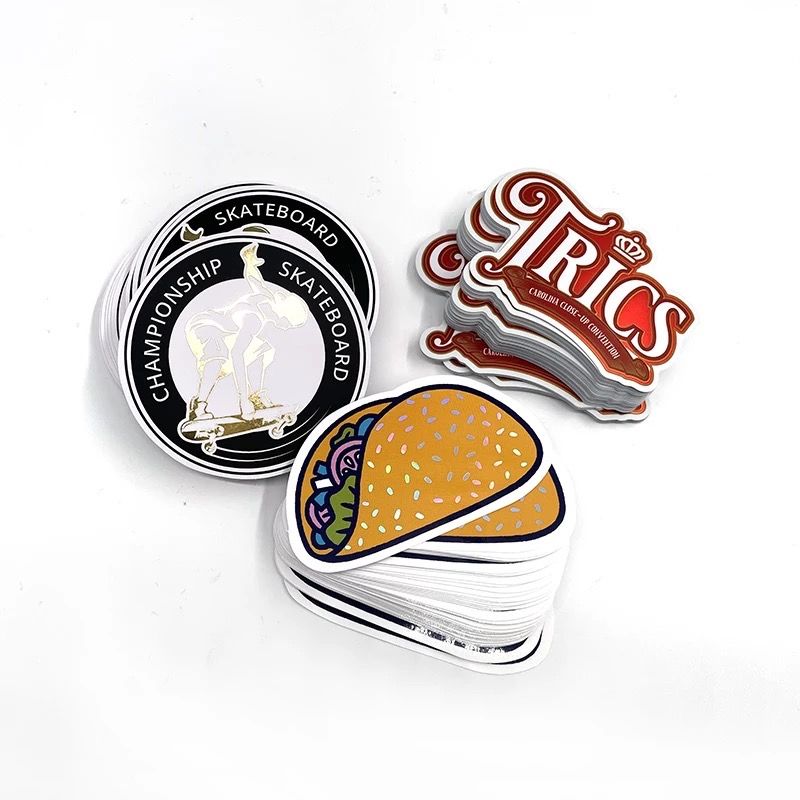
On my factory floor, we use die cutting when a customer wants a premium, custom-shaped sticker that stands out on a laptop, car bumper, or retail product. The shape becomes part of the brand identity.
The die cutting process is more complex than kiss cutting and requires higher precision. Here is the step-by-step:
Design and Cut Path Creation – You provide a vector file with a precise cut path that traces the outer edge of your artwork. For complex shapes like mascots or letterforms, we recommend smoothing out extremely sharp corners to prevent tearing.
Printing and Optional Lamination – We print your design, often on thicker, more durable materials like weatherproof vinyl. A protective laminate (gloss, matte, or UV-resistant) may be added for outdoor use.
Die Cutting – A custom metal die (or a high-power laser) cuts completely through both the face material and the liner, following your cut path exactly. Unlike kiss cutting, there is no “stop” at the liner.
Waste Stripping (Matrix Removal) – The surrounding excess material — known as the “matrix” — is carefully peeled away. This step leaves only your finished stickers. It requires skilled operators; if done too aggressively, stickers can lift off with the waste.
Collection and Packaging – Your stickers are gathered as individual pieces, or sometimes left on a waxed liner roll for automatic dispensing. We then package them carefully to avoid loss or damage during shipping.
The biggest difference from kiss cutting? The waste stripping step and the need for a custom die (or precise laser programming) make die cutting more labor-intensive and expensive per sticker.
Die cut stickers are preferred when shape, finish, and durability matter more than raw volume. Here is why:
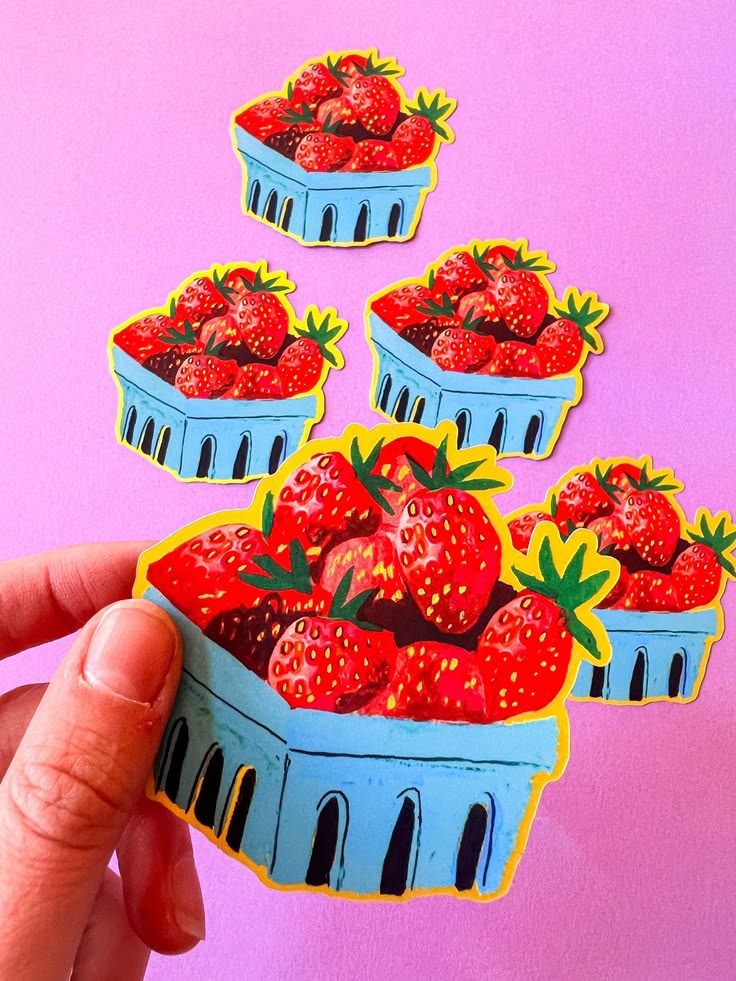
Unlimited Shape Possibilities – From a detailed animal silhouette to an irregular abstract form, any contour is achievable. This allows your sticker to become a true extension of your logo or character design.
Stronger Visual Impact – Without a transparent or white border, the design appears to “float” on whatever surface it is applied to — laptop, water bottle, car bumper. This creates a premium, seamless look that catches the eye.
Better Durability – Because die cut stickers are typically made with thicker vinyl, UV-resistant inks, and permanent adhesives, they withstand sunlight, rain, and repeated handling. Many are rated for 3–5 years of outdoor use.
Higher Perceived Value – Consumers instinctively associate a custom-shaped, well-finished sticker with quality and exclusivity. This makes die cut stickers ideal for limited editions, artist series, or premium merchandise.
No Backing Sheet to Manage – Each sticker is ready to use immediately. There is no sheet to peel from, no waste to throw away. This is a small but appreciated detail for end users.
Die cut stickers are the go-to choice when your sticker needs to make a statement, last a long time, or fit a specific surface:
High-End Brand Promotion – Luxury brands, music festivals, and artists use custom-shaped die cut stickers to stand out from the crowd. The unique shape reinforces brand recognition.
Limited Edition and Collectibles – Unique shapes turn stickers into keepsakes or trading items. Fans collect them, trade them, and display them proudly.
Laptop, Car, and Gear Decoration – The seamless look and strong adhesive make die cut stickers perfect for personalizing expensive equipment. No white border means they blend in beautifully.
Product Seals and Labels – A die cut logo on a coffee bag, cosmetic box, or wine bottle instantly elevates packaging aesthetics. It signals attention to detail.
Outdoor Equipment Labeling – Helmets, bikes, tool cases, and outdoor gear need labels that survive weather and abrasion. Die cut stickers, made with durable materials, fit the job perfectly.
To help you compare at a glance, here is a structured overview of their core differences. This is the same table I use when talking to customers on the factory floor:
| Feature | Kiss Cut Stickers | Die Cut Stickers |
|---|---|---|
| Cut Depth | Only the top printed layer; liner stays intact | Full cut through face material and liner |
| Sticker Form | Multiple stickers attached to one backing sheet | Each sticker is fully separated (or on a carrier) |
| Shape Flexibility | Best for simple shapes (circle, square, rectangle) | Any custom contour, no matter how complex |
| Peeling Experience | Peel individually from a sheet; easy to store | Ready to use immediately; no sheet to manage |
| Durability Level | Standard (suited for indoor or short-term use) | High (often weatherproof and scratch-resistant) |
| Production Complexity | Simpler; no waste stripping step | More complex; requires waste stripping |
| Typical Cost | Lower per sticker for large volumes | Higher due to custom dies and waste removal |
| Best For | Bulk giveaways, inserts, planner stickers | Premium merch, laptop decals, outdoor labels |
Choosing between kiss cut and die cut stickers ultimately depends on your needs, your budget, and how your customers will use the final product. Here is my factory-floor advice:
Choose Kiss Cut Stickers If:
You need to produce a large volume of stickers for giveaways, events, or product inserts
You want to offer a variety pack of different small designs on one sheet
Your stickers will be used indoors (notebooks, water bottles, packaging)
You want the lowest possible cost per sticker for mass distribution
Easy storage and shipping are priorities for you
Choose Die Cut Stickers If:
Your artwork has a unique, custom shape that should become the sticker’s edge
You want a premium, borderless look with no white or transparent margin
The stickers will be applied to laptops, cars, or outdoor equipment
You need high durability with UV and weather resistance
Perceived value and visual impact matter more than raw quantity
The Smart Hybrid Approach – Many successful brands use both. Order die cut stickers for your retail products or premium giveaways — the ones that represent your brand at its best. Then order kiss cut sheets for low-cost event handouts, package inserts, or social media promotions. This way, you target different audiences with the right tool for each job, without overspending.
No matter which cutting method you choose, good design remains the most important factor. Here is what I have learned from reviewing thousands of sticker files on the factory floor:
1. Use High-Contrast Colors – Bright, bold colors draw attention from a distance. Avoid muddy or overly similar tones if your sticker will be viewed against complex backgrounds. Remember: what looks good on screen may look flat in print.
2. Keep the Core Message Simple – A sticker usually has less than one second to be read. Focus on a single logo, a short wordmark, or a recognizable character. Too much text or too many details get lost at small sizes.
3. Consider the Cut Line Carefully – For die cut stickers, make sure your cut path is smooth and does not have extremely sharp inside corners that could lift over time. For kiss cut stickers, leave at least 3mm of space between individual stickers on the sheet for easy peeling.
4. Choose the Right Material – For indoor use, paper or standard vinyl is fine. For outdoor or high-touch surfaces, select waterproof vinyl with UV laminate. The wrong material will fail even with a perfect cut.
5. Test Before Mass Production – Always request a sample or a small batch first. A design that looks great on screen may reveal issues in real life, such as cut path misalignment or poor adhesive strength. I cannot tell you how many customers thank us for recommending a sample run.
At StickerForgeco, we specialize in designing and manufacturing high-end, customized Custom Stickers, Custom Labels, and Custom Industrial Labels. We are not just a printing service — we are a partner that helps brands, designers, and businesses bring their sticker ideas to life with quality and reliability.
For the two cutting methods discussed in this article, we offer expert-level production:
Kiss Cut Stickers – We optimize sheet layouts to minimize waste and maximize your budget. Our precision kiss cutting ensures easy peeling every time, perfect for large campaigns or social media giveaways.
Die Cut Stickers – Our high-powered laser and steel-rule die cutting support complex contours, from tiny logo details to large decorative shapes. We also offer durable, weatherproof materials rated for outdoor use.
Why choose StickerForgeco?
✅ Trusted Custom Stickers and Custom Label Printing Manufacturer
✅ No Minimum Order – Digital printing with complete flexibility
✅ Free Shipping worldwide
✅ 9-Days Global Delivery – from proof approval to your door
Whether you need 50 die cut stickers for a limited artist drop or 50,000 kiss cut sheets for a nationwide promotion, StickerForgeco delivers consistent quality, clear communication, and on-time shipping.
Q1: What is the main difference between kiss cut and die cut stickers?
A: The difference is the cut depth. Kiss cut stickers only cut the top printed layer, leaving the backing paper intact — multiple stickers stay on one sheet. Die cut stickers are cut fully through both the face material and the backing paper, and the shape follows the artwork’s exact outline.
Q2: Can I get a custom shape with kiss cut stickers?
A: Yes, but with limits. Kiss cut stickers can be cut into circles, ovals, squares, and rectangles — or any simple shape without tight inside corners. For complex contours like a mascot or a letterform, die cut is the better choice.
Q3: Which cutting method is better for outdoor use?
A: Die cut stickers are generally better for outdoor use. They are typically made with weatherproof vinyl, UV-resistant inks, and stronger adhesives. Kiss cut stickers are best for indoor or short-term applications.
Q4: Does StickerForgeco have a minimum order quantity for kiss cut or die cut stickers?
A: No. We offer no minimum order digital printing. You can order a small test batch of 10 die cut stickers or a single kiss cut sheet just as easily as a large volume run.
Q5: How long does it take to receive my order?
A: With our 9-Days Global Delivery service, your custom kiss cut or die cut stickers will be printed, quality-checked, and shipped to your door within 9 business days after proof approval. Shipping is free worldwide.
Q6: Are die cut stickers more expensive than kiss cut stickers?
A: Generally, yes. Die cut stickers require custom dies or more precise laser cutting, as well as a waste stripping step. However, for smaller quantities, the price difference may be minimal with digital die cutting. For large volumes, kiss cut stickers remain the more economical choice.






 +8618128095554
 sales@stickerforgeco.com
 +8618128095554