Get bulk orders for 30% less than local suppliers, plus free samples.
Get bulk orders for 30% less than local suppliers, plus free samples.
You see them every day on every packaged food item in the grocery store. But if you are launching a new product, you might think a food label is just a sticker with some ingredients printed on it. This misunderstanding can lead to peeling edges in the refrigerated section, faded text after a week on the shelf, or even regulatory trouble.
A food or beverage label is a printed piece of material—typically paper, film, or vinyl—with a food-safe adhesive on the back. It is designed to be applied to packaging that holds consumable products. Unlike a basic sticker, a food label must balance appetite appeal, durability under harsh conditions, legal compliance, and brand communication all at once.
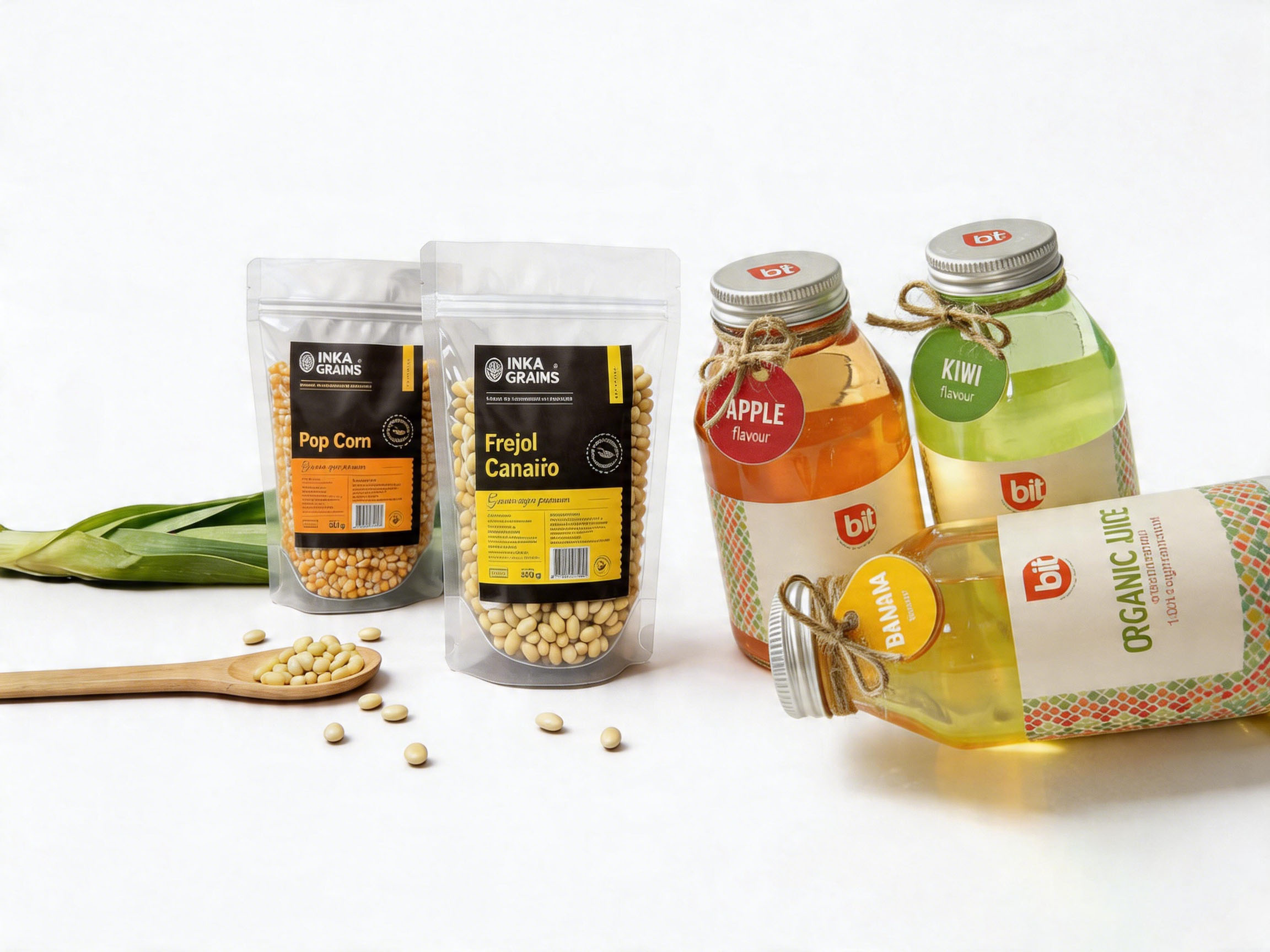
At StickerForgeco, we do not just print labels. We engineer a small but critical component that will sit between your customer and your product. A food label has to survive moisture, temperature swings, oils, and handling. It also has to look good enough to make someone hungry. That is a tall order for a piece of printed material.
Why do these labels matter so much? Because in the food industry, the label is often the first real interaction a customer has with your brand. Before they taste your hot sauce or drink your cold brew, they see your label. That label needs to communicate safety, quality, taste, and trust within about three seconds. Get it wrong, and the product stays on the shelf. Get it right, and you have just made a sale.
Not all labels are created equal. A shipping label on a cardboard box faces very different conditions than a label on a bottle of kombucha. In our experience, we have identified four key features that set food and beverage labels apart from every other type of label.
Food and beverage labels face conditions that would destroy ordinary paper stickers. Think about a bottle of salad dressing. It goes from room temperature storage to a refrigerated truck to a cold supermarket shelf. Then a customer takes it home, opens it, and oil from the dressing runs down the side of the bottle. Your label has to survive all of that.
Specifically, food labels must withstand:
Temperature changes: Moving from freezing to room temperature causes expansion and contraction
Moisture and condensation: Refrigerated products sweat when brought to room temperature
Oils and acids: Many foods contain fats or acidic components that can break down standard adhesives
Freezing: Frozen food labels need adhesives that remain flexible below zero
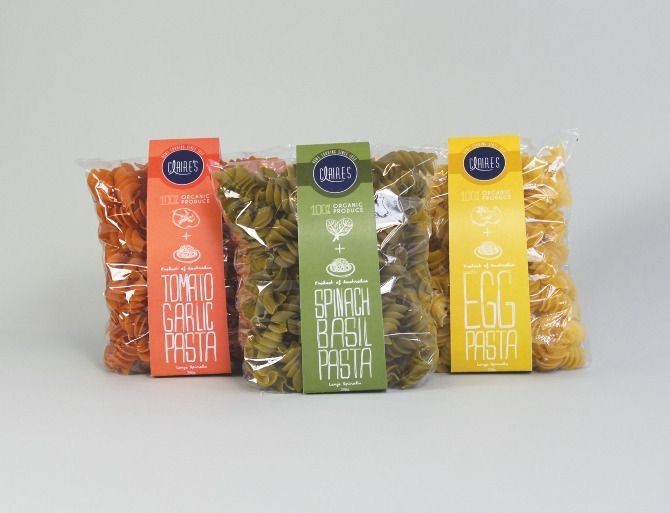
Here is where food labels differ most dramatically from other labels. Because a food label may come into direct or indirect contact with something people will consume, every single layer matters.
The inks we use must be low-migration or FDA-approved. Standard inks contain chemicals that can slowly transfer through thin packaging. That is not acceptable for food. Similarly, the adhesive needs specialized formulations designed to stay stable when exposed to food contents. Even the facestock material must not degrade or release chemicals under heat or freezing.
At StickerForgeco, we treat every food label as a safety component, not just a marketing piece.
Try fitting all the mandatory information onto a small jar of spice rub. You need ingredients, nutrition facts, allergen declarations, net weight, expiration date, storage instructions, and manufacturer details. Oh, and you also want your logo and some appetizing photography.
Food labels require careful information architecture. You cannot just shrink the font to 4 points and call it done. The text must remain readable. This is why many food brands use QR codes to offload some information to digital formats, keeping the physical label clean while still providing full transparency.
This is the secret sauce. Food labels need to make people hungry. A label for a lawnmower part just needs to be accurate. A food label needs to trigger a physical response.
We achieve this through color psychology, texture finishes, high-quality imagery, and print techniques like spot gloss that make food photography pop. A matte finish might suggest artisanal quality. A high-gloss finish makes colors more vibrant and food look fresher. These choices directly affect whether someone picks up your product or reaches for the competitor next to it.
Over years of producing food labels for hundreds of brands, we have distilled the process down to six essential tips. Follow these, and you will avoid most common failures.
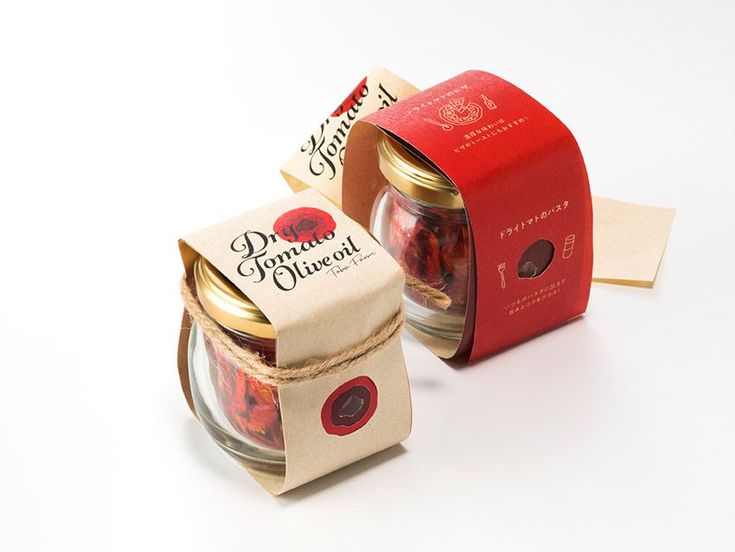
The material you select determines nearly everything about how your label will perform. For food applications, you need:
Heat-resistant adhesives: These stay put during transport and under temperature changes
Weatherproof and oil-resistant surfaces: This protects against moisture, condensation, and food spills
Durable facestock: Your label should not tear or wrinkle during filling, handling, or distribution
We always ask clients: where will this product live? A frozen pizza box needs a different material than a bottle of olive oil.
Compliance is not optional. In the US, the FDA regulates food contact substances. In the EU, different standards apply. Your label must use:
FDA-approved inks that will not migrate through packaging
Food-safe adhesives that remain stable under expected conditions
Base materials that do not degrade or release chemicals
Beyond using compliant materials, we recommend adding a visible certification or seal such as "Food Safe" on your packaging. This reassures buyers that you have followed proper safety standards.
Your label must include specific information in a readable format. This typically includes:
Ingredients list in descending order of weight
Nutrition facts panel
Allergen declarations (milk, eggs, peanuts, tree nuts, soy, wheat, fish, shellfish)
Net weight or volume
Expiration or "best by" date
Usage and storage instructions
Manufacturer or distributor contact information
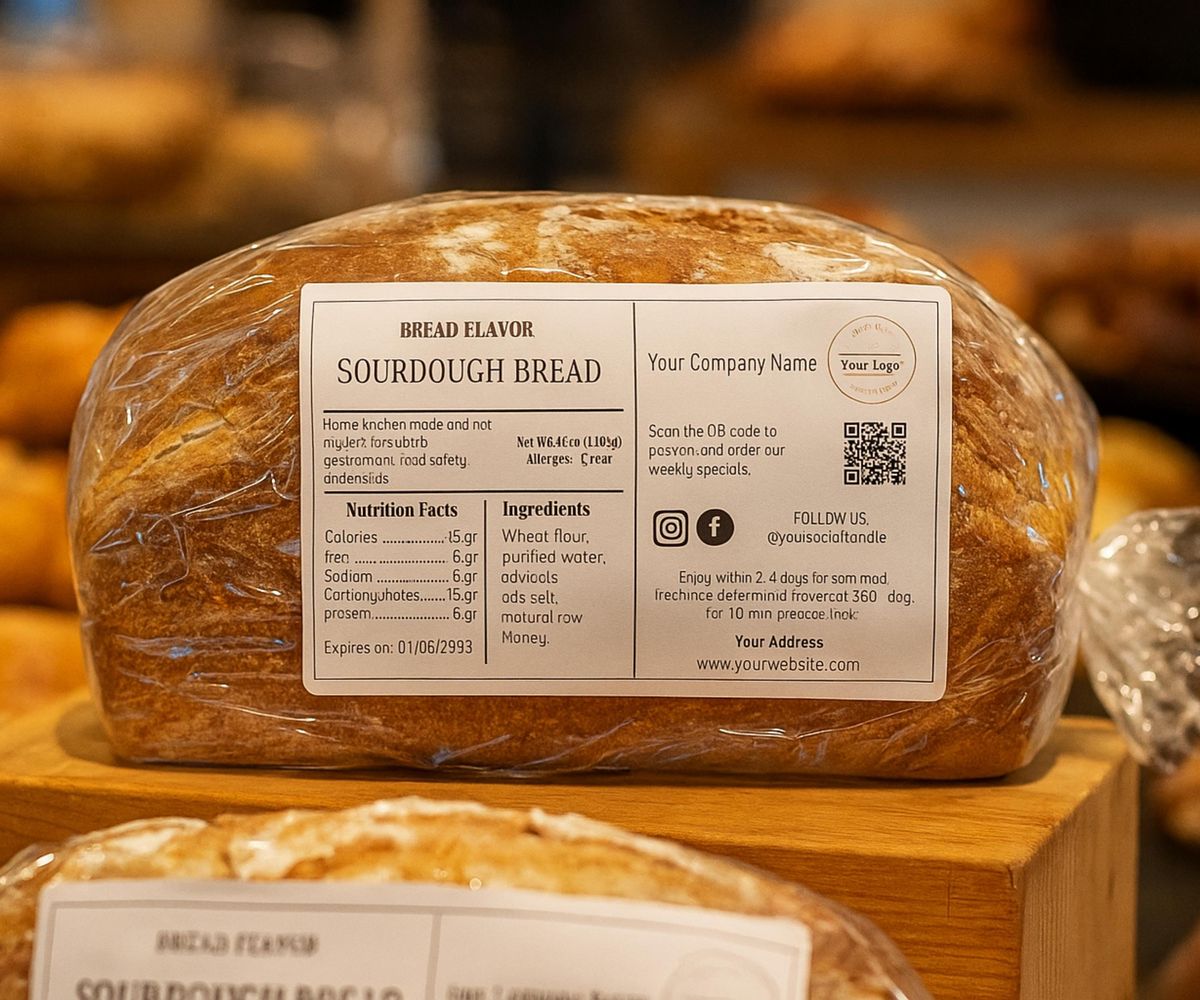
We recommend using icons or bold text to communicate critical information faster. QR codes are also excellent for keeping the label clean while offering customers access to extended details like sourcing stories or recipe ideas.
Design is where science meets art. Your label needs to look good enough to compete on a crowded shelf.
Start with clear logo placement and consistent brand colors. Then consider shapes: oval labels suggest handcrafted quality, while wrap-around labels on bottles create a continuous brand story. Your font choices should match your brand personality—playful, premium, or minimalist.
Color choices directly influence appetite. Warm reds and oranges stimulate hunger. Natural greens and browns suggest health and organic quality. Consistent color usage across your product line also strengthens brand recognition over time.
Food labels are getting smarter. We now regularly add:
QR codes that link to recipes, ingredient sourcing details, nutrition breakdowns, or brand stories
NFC tags that support interactive experiences like authenticity checks or loyalty programs with a simple phone tap
These technologies are especially valuable for premium or specialty products where trust and customer engagement matter. They let you provide more information than could ever fit on a small label.
This tip alone saves our clients thousands of dollars every month. Before running a large print order, we produce sample labels and test them under real conditions.
We check if the adhesive holds and the print stays clear when exposed to:
Refrigeration and freezing
Heat exposure (like a hot soup cup)
Contact with oil or condensation
Handling during filling and transport
These tests confirm that your labels will stay readable and intact from production to purchase. Skipping this step leads to reprints, wasted product, and customer complaints.
After producing millions of food labels, we have seen the same mistakes repeat. Here are the most common pitfalls we help clients avoid.
Using the wrong material for the environment. A paper label on a refrigerated product will wrinkle and peel within days. We have seen craft breweries ruin an entire batch because they used indoor labels on cold bottles.
Making fonts too small or low contrast. Regulatory information must be readable. If your customer needs a magnifying glass to find allergens, you have a problem.
Ignoring regional regulations. A label that works in the US may not be legal in the EU or Canada. Allergen labeling rules, nutrition format requirements, and language laws vary significantly.
Forgetting the bleed area. Your design needs extra color extending beyond the cut line. Without a proper bleed (typically 2-3mm), even a tiny shift in cutting will leave an ugly white edge.
Skipping durability testing. We covered this above, but it bears repeating. Testing a small batch costs very little. A full production run that fails costs a fortune.
Different food categories face different challenges. Here is how we approach specific segments.
Frozen products require labels with adhesives that remain flexible below freezing. Standard adhesives become brittle and lose grip at low temperatures. We also recommend laminate coatings that resist freezer burn and condensation when the product thaws.
Juice, soda, beer, and kombucha bottles face constant condensation and ice water immersion. Beverage labels need waterproof materials and inks that will not run. For glass bottles, the adhesive must resist moisture while remaining removable for recycling.
Olive oil, nut butters, and salad dressings present a unique challenge. The product itself can run down the side of the container, soaking the label. We use oil-resistant facestocks and adhesives formulated to maintain bond even when exposed to fats.
Milk, yogurt, and cheese products go through extreme temperature cycles. A yogurt cup moves from a warm filling line to cold storage to a refrigerated truck to a cold shelf. Then a customer takes it home and puts it in their refrigerator. Each temperature change stresses the adhesive.
Produce labels (think apples or avocados) are a special case. They need adhesives that stick to waxy or textured surfaces but can still be removed easily. The materials must also be food-contact-safe since the label touches the edible portion.
Sustainability is no longer a nice-to-have. It is a requirement for many food brands and their customers. At StickerForgeco, we have seen demand for eco-friendly label options grow significantly every year.
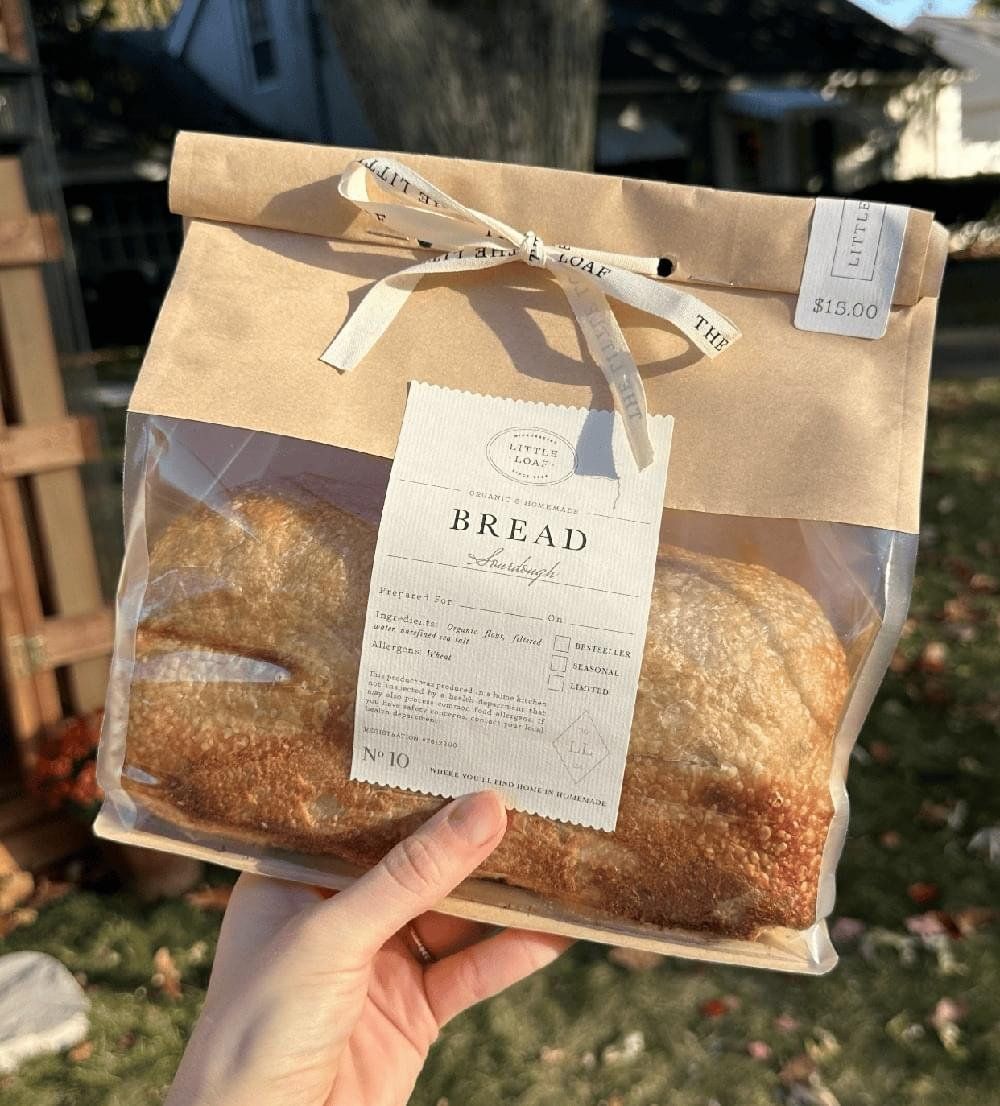
Several options exist for brands wanting to reduce environmental impact. Matte Recycled Paper Labels are an excellent choice for dry food products such as coffee bags, tea tins, cereal boxes, and spice jars. They communicate environmental responsibility while providing a soft, natural touch that appeals to eco-conscious consumers.
Kraft Paper Labels offer both sustainability and visual warmth. Made from natural wood pulp, these labels are biodegradable and pair perfectly with organic, small-batch, or farmstead products. Their warm, earthy appearance communicates authenticity and craftsmanship before the customer even reads a single word. Many craft breweries, artisanal chocolate makers, and specialty tea brands choose kraft paper labels to reinforce their natural brand positioning.
For applications requiring different properties, we also offer recycled paper facestocks made from post-consumer waste, as well as compostable labels that break down in industrial composting facilities.
Here is the reality: labels can interfere with packaging recycling. The adhesive can gum up recycling equipment. Different materials require separation. We work with clients to find label solutions that either wash off cleanly in recycling processes or use adhesives compatible with standard recycling streams.
The hardest conversation we have with clients is about trade-offs. A compostable paper label might not survive a week in a freezer. A highly durable synthetic label might not be recyclable. There is rarely a perfect solution. We help clients find the right balance for their specific product and values.
If you use sustainable labels, tell your customers. Add a small "label made from recycled materials" or "compostable label" icon. Consumers increasingly make purchasing decisions based on packaging sustainability.
Investing time and resources into correct label design and production pays off in multiple ways.
A label that peels, fades, or wrinkles destroys product value. We have seen brands discard entire batches because the labels failed. Good labels cost a bit more upfront. Failed labels cost much more in the long run.
A high-quality label signals a high-quality product. When your label stays intact and looks good throughout the product's life, customers notice. They trust that you care about details. That trust translates into repeat purchases.
In a crowded grocery aisle, better labels win. A well-designed label with premium materials, good color, and smart finishes attracts attention. That attention leads to first-time purchases.
When you design with regulations in mind from the start, you avoid last-minute scrambles. We help clients build compliance into the design process rather than fixing problems after printing.
Consistent, professional labeling across your product line builds brand equity. Over time, customers recognize your products from across the aisle. That visual recognition is enormously valuable.
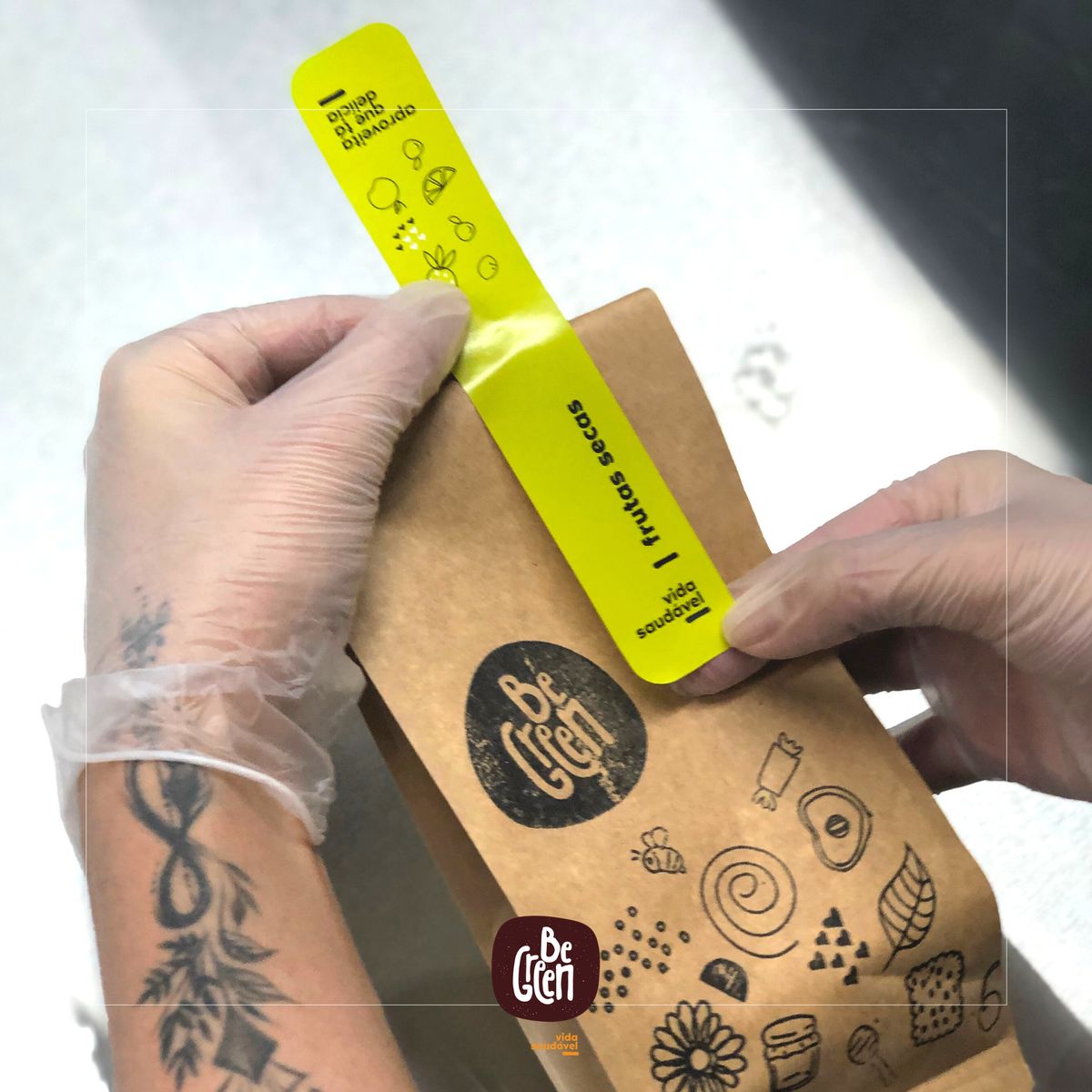
StickerForgeco is a premium custom labels manufacturer. We serve a wide range of industries, from food and beverage to cosmetics, household products, and beyond. While we offer specialized label solutions for many sectors, we are not a general-purpose printing company. Food and beverage labels are one of our core specialties, and we have built our entire operation around meeting the unique demands of this industry.
We produce high-quality, custom-printed labels that perform under real-world conditions. Whether you need waterproof beverage labels, freezer-grade materials for frozen foods, or oil-resistant labels for sauces and dressings, we have the expertise and materials to deliver.
Here is what makes StickerForgeco different from other label printers:
No Minimum Order Quantity (Digital Printing) – Need only 50 labels for a small batch test run? Or 50,000 for a full product launch? We handle both. Our digital printing capabilities mean you never have to order more than you need.
Factory Direct Pricing – Save 30% – By manufacturing our own labels, we eliminate middleman markups. You get premium quality at direct-to-customer prices, typically saving 30% compared to traditional printing brokers.
9-Day Global Delivery – From artwork approval to your doorstep anywhere in the world, we deliver in just 9 days. No rush fees. No hidden charges. Fast turnaround is our standard.
Whether you are launching a new product, refreshing an existing line, or need a fast reprint, we are here to help. Our team can guide you through material selection, artwork preparation, and compliance requirements.
Contact StickerForgeco today – and let us create the perfect labels for your food and beverage products.
Q1: Can I design my own food labels without professional graphic design software?
Yes, many online label printers offer free, browser-based design tools with pre-set templates that meet food labeling regulations. These tools typically include drag-and-drop elements, standard font options, and barcode generators. However, for complex layouts or brand-heavy designs, hiring a professional designer ensures proper resolution, color accuracy, and bleed area setup. Always request a digital proof before printing to catch any layout or typo issues.
Q2: Can I use the same label material for both refrigerated and frozen products?
Not always. Standard "cold-resistant" labels typically work for refrigeration (34–40°F / 1–4°C). However, deep-freeze applications (below -10°F / -23°C) require specialized adhesives designed to remain flexible and avoid crystallization. Check with your supplier for freezer-grade materials, especially for long-term frozen storage.
Q3: How long do custom food labels typically take to produce and deliver?
Industry standard lead times range from 5–15 business days for digital printing (low volume) to 15–25 business days for flexographic printing (high volume). Factors include design approval, material availability, custom die-cutting, and shipping distance. However, StickerForgeco stands out by offering 9-day worldwide delivery from production to your doorstep. Even better, we never charge extra for rush services—fast turnaround is our standard, not a premium add-on. This means you can plan your product launches with confidence, without paying emergency fees.
Q4: Do I need to include a "best by" or expiration date on every food label?
In most regions (FDA in the US, EU regulations), a date marking is required for perishable foods or those with a shelf life under 2 years. However, the exact wording—"Best By," "Use By," "Expires On"—has different meanings. "Use By" relates to safety, while "Best By" relates to quality. Check your local food safety authority for product-specific requirements, as honey, vinegar, and alcoholic beverages may be exempt.
Q5: What's the difference between a "label" and a "sticker" in food packaging?
In industry terms, the difference is subtle but functional. A label typically contains mandatory information (ingredients, nutrition, barcode) and is designed to stay on the package for its entire shelf life. A sticker is often promotional or decorative (e.g., "On Sale," "New Flavor," a logo seal) and may be removable. However, many custom printers use the terms interchangeably. For food safety, both must use food-contact-safe materials if they touch the product directly.






 +8618128095554
 sales@stickerforgeco.com
 +8618128095554