Get bulk orders for 30% less than local suppliers, plus free samples.
Get bulk orders for 30% less than local suppliers, plus free samples.
You spent weeks perfecting your business logo. It is sharp, memorable, and looks great on a screen. But the moment you try to put it on a product, a package, or a giveaway, it falls flat. The colors are dull, the edges are ragged, or it peels off after two days.
That is a brand disaster.
I have run a custom sticker production line for years, and I see this happen more often than it should. A logo sticker should be an extension of your brand — durable, beautiful, and impossible to ignore. But most business owners do not know how to choose the right material, cut, or finish for their logo.
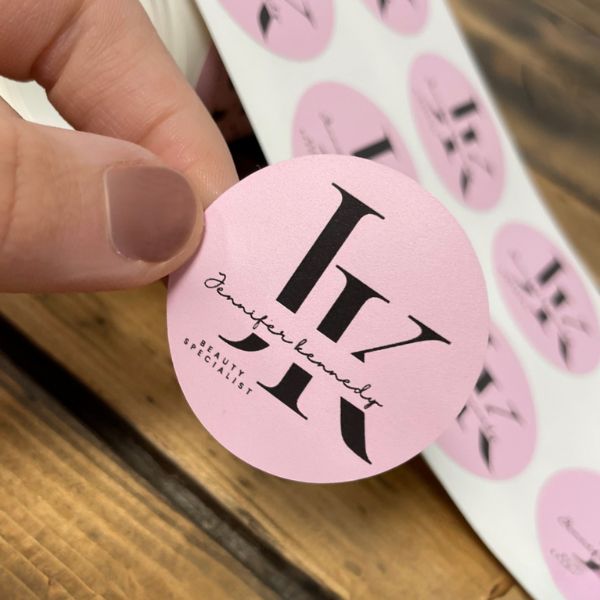
This guide covers everything you need to know. You will learn what custom logo stickers are, which features matter most, how to design and order them, and how to use them to grow your brand. Let us get started.
A custom sticker for your business logo is exactly what it sounds like: an adhesive label printed with your logo, built to your exact size, shape, material, and finish specifications. But that simple definition misses the real point.
Your logo sticker is a physical ambassador for your brand. It travels everywhere your customers go — on laptops, water bottles, phone cases, toolboxes, and car bumpers. Every time someone sees it, they are reminded of you. That is free advertising, and it works.
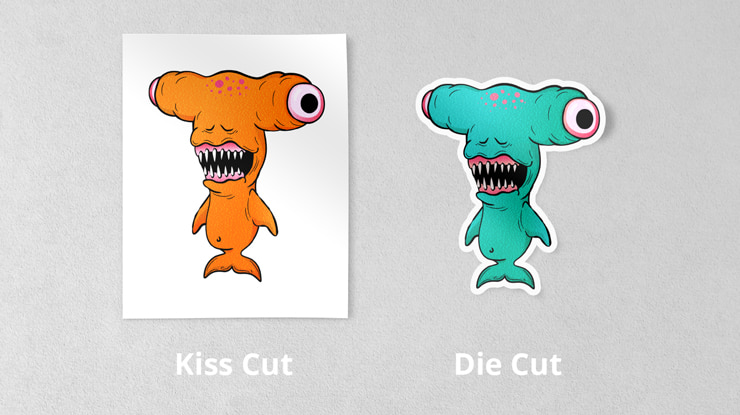
In my factory, we produce two main types of logo stickers. The first is a die cut sticker, where the blade cuts completely through the material and its backing. This gives you an individual sticker cut perfectly to the outline of your logo — no ugly white border unless you want one. The second is a kiss cut sticker, where the blade cuts through only the vinyl top layer but leaves the paper backing intact. Kiss cut stickers are usually arranged in sets on a single liner sheet, making them easy to peel and perfect for multi-logo giveaways or sticker sheets.
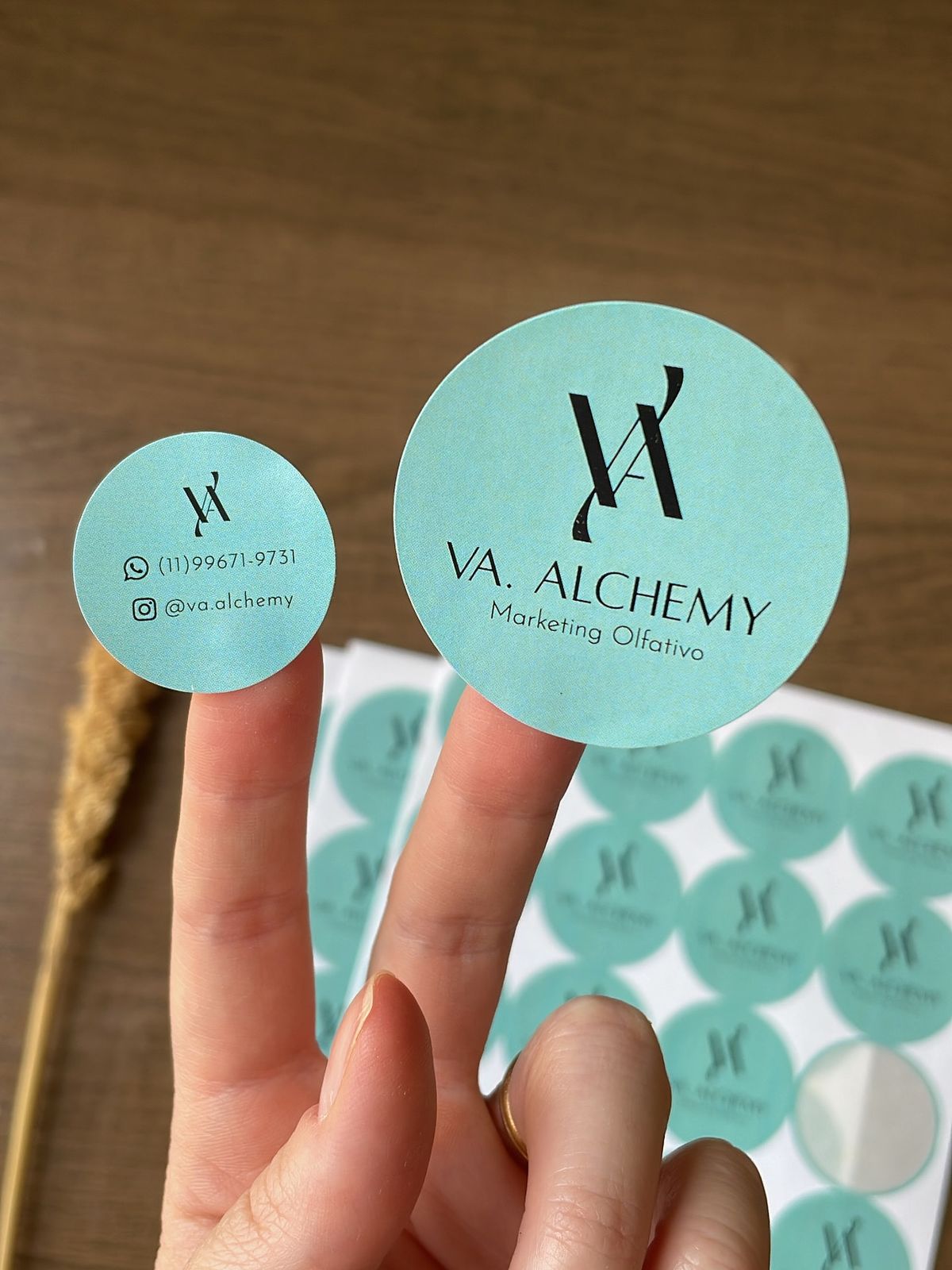
Some clients ask me, “Why not just print my logo on cheap paper labels?” The answer is simple: paper dies outdoors, vinyl survives. A proper custom logo sticker uses durable, weather-resistant vinyl that holds color, resists scratches, and sticks for years. Your logo deserves that level of quality.
Not all stickers are equal. Over the years, I have rejected thousands of poorly made stickers from other suppliers before we started making our own. Here are the non-negotiable features of a high-quality custom logo sticker.
Precise cutting. A sloppy cut ruins your logo. A high-quality die cut sticker follows every curve and corner of your design perfectly. If your logo has a thin tail or a sharp point, the cut should trace it exactly. That requires steel-rule dies or high-speed laser rotary cutting, which is standard in professional shops like mine.
Strong adhesive. Your logo sticker should stick the first time and stay there. It should not curl at the edges, bubble in the center, or peel off when someone handles the object. We use aggressive permanent acrylic adhesive on most vinyl stickers — the same adhesive used on industrial labels. It bonds to plastic, metal, glass, cardboard, and even slightly textured surfaces.
UV-resistant ink. Sunlight destroys cheap stickers. The colors fade, the vinyl yellows, and within a few months, your logo becomes unreadable. We print with UV-stable, solvent-based or latex inks that resist fading for three to five years outdoors. If you plan to put your logo sticker on a car window or an outdoor sign, this is mandatory.
Lamination. A laminate is a clear protective top layer. It blocks scratches, moisture, gasoline, and even mild chemicals. Gloss laminate makes colors pop. Matte laminate reduces glare and feels soft to the touch. For business logos, I strongly recommend a laminate. It turns a good sticker into a great one.
Consistent color. Your sticker logo should match your website, your business card, and your storefront sign. We use Pantone matching and calibrated digital presses to ensure that your brand blue looks exactly the same on vinyl as it does on screen.
Without these features, your logo sticker is just another piece of disposable marketing. With them, it becomes a durable, trusted symbol of your brand.
Designing a logo for a sticker is slightly different from designing one for a screen. I have seen beautiful logos turn into ugly stickers because the designer ignored a few basic rules. Follow these guidelines and you will avoid that fate.
Use vector files. A vector file (AI, EPS, PDF, or SVG) describes your logo using mathematical lines and curves. It can scale to any size without becoming pixelated or blurry. If you only have a JPG or PNG, that is okay — but it must be at least 300 DPI at the final print size. Anything less will look fuzzy.
Add a bleed. Bleed is the extra margin around your logo that extends beyond the final cut line. We need about 1/8 inch (3 mm) of bleed. Without it, even a tiny shift in cutting could shave off part of your logo. With it, we have a safety zone.
Keep text large enough. Thin, small text is the enemy of a die cut sticker. If your logo includes a tagline in 6-point type, it may become unreadable — or the cutting blade might tear right through it. As a rule, no text should be smaller than 1/8 inch in height. For reverse type (light text on a dark background), make it even larger.
Avoid gradients when possible. Gradients look smooth on screen but can appear banded or posterized on vinyl, especially with solid-color presses. If your logo uses a subtle gradient, ask for a printed proof before full production. Sometimes it works fine. Sometimes it does not.
Consider a white border. A thin white border (or “stroke”) around your logo serves two purposes. First, it gives a slight margin for cutting error. Second, it helps your logo stand out when placed on dark or busy surfaces. I recommend a border width of about 1/16 inch. It is subtle but effective.
Test with a proof. Never skip the proof. A digital proof shows you exactly how your logo will be laid out on the sheet or roll. A physical proof (a printed sample) shows you the actual colors, cut quality, and material feel. Always ask for a physical proof on your first order. It costs a little more upfront but saves a lot of disappointment later.
Material and finish determine how your logo looks, how long it lasts, and where you can use it. I break down material choices into three categories: face material, finish, and adhesive type.
Face Material: Vinyl is the standard. Over 90% of the custom logo stickers we produce use vinyl sticker glossy or vinyl sticker matte. Vinyl is thin, strong, waterproof, and printable. It conforms slightly to curved surfaces like water bottles or coffee mugs. It also resists tearing.
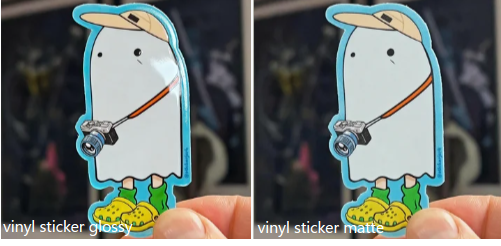
Vinyl Sticker Glossy has a shiny, reflective surface. Colors appear more vivid and saturated. Gloss is excellent for logos that need to pop — think retail packaging, product labels, or window decals. The downside? Gloss shows fingerprints and can create glare under direct light.
Vinyl Sticker Matte has a non-reflective, smooth finish. It looks softer and more premium, similar to high-end product packaging. Matte resists fingerprints and reduces glare. However, colors may appear slightly less vibrant than on gloss. Matte is ideal for laptops, notebooks, indoor signs, and minimalist brand aesthetics.
Other face materials include transparent clear vinyl (for a “no-label” look on glass or clear packaging), holographic vinyl (for a rainbow, eye-catching effect), silver metallic vinyl, and even paper (for short-term indoor use only). Each has its place, but for most business logos, start with glossy or matte vinyl.
Finish: Lamination adds protection. As mentioned earlier, lamination is a clear top layer. You can add gloss laminate over matte vinyl or vice versa. Lamination also adds thickness and rigidity, which makes the sticker easier to handle during application.
Adhesive type. Standard permanent acrylic adhesive works for almost everything — cardboard, plastic, metal, glass, painted walls. For extreme conditions (freezers, hot engines, oily surfaces), we use specialized adhesives. If your logo sticker will go on a refrigerated product, ask for a Refrigeration Only Label adhesive, which is formulated to stick at low temperatures without becoming brittle.
Here is a quick rule of thumb: if the surface is smooth, clean, and dry, standard vinyl with permanent adhesive will work. If you are unsure, order a small sample batch and test it yourself.
I could list a dozen reasons why custom logo stickers are a smart investment. But let me focus on the five that matter most to business owners.
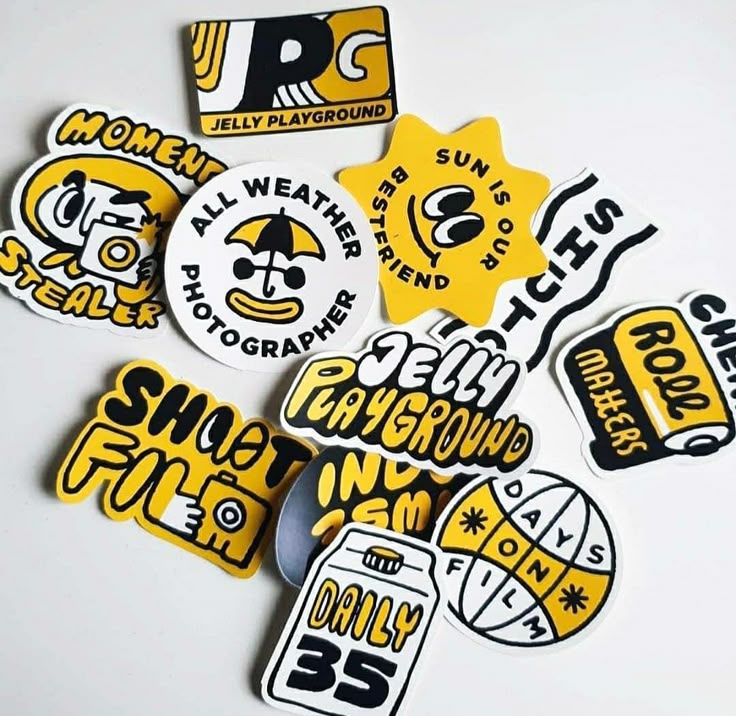
1. Extremely low cost per impression. A single custom sticker might cost you $0.10 to $0.50, depending on quantity and features. That sticker could be seen by hundreds or thousands of people over its lifetime. Compare that to the cost of a digital ad, a billboard, or a magazine insert. Stickers win every time.
2. They turn customers into brand ambassadors. When someone puts your logo sticker on their laptop or water bottle, they are publicly endorsing your brand. They did not have to do that. They chose to. That is more powerful than any paid advertisement.
3. They enhance your packaging. A plain brown box becomes a branded experience when you seal it with a custom logo sticker. It tells the customer, “We care about the details.” That builds trust and repeat business. E-commerce brands that include a free logo sticker in every order see higher social media engagement — customers love to post photos of their “sticker hauls.”
4. They are versatile. You can put a custom logo sticker on almost anything: product boxes, shipping envelopes, thank-you cards, trade show giveaways, employee laptops, company vehicles, store windows, and even street furniture (with permission, of course). No other marketing tool offers that kind of flexibility at that price point.
5. They create a physical connection to your brand. In a digital world, physical objects feel more real and more memorable. A sticker is something a customer can hold, touch, and place somewhere meaningful. That simple act creates an emotional connection that a banner ad never will.
I have seen small bakeries, hardware stores, yoga studios, and software companies all benefit from custom logo stickers. The size of your business does not matter. What matters is that your logo gets seen — and stickers are one of the cheapest ways to make that happen.
Ordering custom stickers is straightforward, but mistakes are common. Follow this seven-step process, and you will get exactly what you need.
Step 1: Prepare your artwork. Convert your logo to a vector format (AI, PDF, EPS) or a high-resolution PNG/JPG (300 DPI). Add 1/8 inch bleed around all edges. Convert text to outlines so we do not need your fonts.
Step 2: Choose your size and shape. Measure where you plan to place the sticker. A 2-inch round logo sticker is very different from a 6-inch wide die-cut logo sticker. When in doubt, order a few different sizes in a sample batch.
Step 3: Select cut type. Do you want individual stickers (die cut sticker) or stickers on a liner sheet (kiss cut sticker)? Die cut is for single logos applied one at a time. Kiss cut is for sticker sheets or multi-design packs.
Step 4: Choose material and finish. Pick vinyl sticker glossy or vinyl sticker matte as your starting point. Then decide if you want a laminate. Add special materials like holographic, silver, or clear only if they fit your brand.
Step 5: Request a proof. Always get a proof. A digital proof is free and fast. A physical proof costs a small fee but shows you the actual material, cut, and color. For your first order, pay for the physical proof. It is worth it.
Step 6: Place your order. Tell us the quantity, turnaround time, and shipping address. We will confirm pricing and production schedule.
Step 7: Inspect upon delivery. When your stickers arrive, check a few samples immediately. Verify the size, cut quality, color accuracy, and adhesion. If something is wrong, contact us within 48 hours. Most issues can be fixed with a reprint.
A note on quantity: Unit price drops significantly as quantity increases. A single 3-inch die cut sticker might cost $0.80 at 100 pieces but only $0.15 at 10,000 pieces. Order as many as you can store and use within a year.
A custom logo sticker is useless if it sits in a drawer. You need a plan to get them into the world. Here are the most effective use cases I have seen from my clients.
Product packaging. Seal every box, bag, or tube with a logo sticker. It replaces plain tape and adds a professional touch. For e-commerce brands, this is the lowest-hanging fruit.
Shipping envelopes and poly mailers. Apply a sticker to the outside of your envelope. It reinforces your brand even before the customer opens the package. Plus, it makes your shipment stand out in a pile of plain mailers.
In-pack inserts. Tuck one or two free logo stickers into every order. No announcement needed. Just let customers discover them. They will often share photos on social media, tagging your brand.
Employee laptops and water bottles. Give every employee a handful of stickers for their personal gear. This turns your team into a walking billboard. It also builds internal brand pride.
Trade shows and events. Hand out stickers at your booth. People love free stickers, and they will stick them on their badges, phones, or notebooks — spreading your brand throughout the event.
Storefront windows or doors. Use large, weather-resistant vinyl stickers to display your logo, hours, or a simple “Open” sign. They are cheaper than permanent signage and easier to update.
Vehicle branding. A few well-placed logo stickers on a company car or delivery van can generate thousands of daily impressions in a city.
Community boards and coffee shops. With permission, leave a stack of stickers on a community bulletin board or a coffee shop counter. Local customers will grab them.
The key is to put your logo sticker somewhere visible, legal, and appropriate for your brand. Do not vandalize property. Do not cover public signs. But everywhere else is fair game.
After producing millions of stickers, I have seen every possible mistake. Here are the most common ones, so you can avoid them.
Mistake 1: No bleed. Your logo gets cut off because you did not add bleed. The result looks amateur and unprofessional. Always add 1/8 inch bleed.
Mistake 2: Low resolution. Your logo prints pixelated because you submitted a 72 DPI web image. The edges are jagged, and small text is unreadable. Always submit vector files or 300 DPI raster files.
Mistake 3: Wrong material for the use case. You put an indoor paper sticker on a car window. It rains once, and the sticker disintegrates. Your logo washes away. Use outdoor-grade vinyl with laminate for any exterior application.
Mistake 4: Tiny text or thin lines. Your die cut sticker tears because the cutting blade could not navigate a 0.5-point line. Or the text is too small to read from arm’s length. Keep all details above 1/8 inch minimum.
Mistake 5: Skipping the proof. You approved a digital proof but never saw a physical sample. When the full order arrives, the colors are wrong, or the cut is misaligned. Now you are stuck with thousands of useless stickers. Always request a physical proof on your first order.
Mistake 6: Overly complex design. Your logo has a 10-color gradient, drop shadows, and a distressed texture. On screen, it looks edgy. On vinyl, it looks muddy and confused. Simplify your logo for the physical world.
Mistake 7: Not testing adhesion. You assumed the sticker would stick to your textured cardboard box. It does not. Now your logo is peeling off in customers’ hands. Test a sample on your actual surface before ordering in bulk.
Avoid these mistakes, and your custom logo stickers will look professional, last a long time, and represent your brand well.
You now know what to look for in a custom logo sticker. But knowing is only half the battle. You also need a supplier you can trust — one that delivers consistent quality, meets deadlines, and helps you avoid the mistakes listed above.
That supplier is StickerForgeco.
We specialize in producing premium custom stickers for business logos — from die cut and kiss cut stickers to sticker sheets, transparent clear, holographic, vinyl glossy and matte, plus specialty options like gold foil, silver, UV DTF, and epoxy dome stickers.
But our real value is not just the products — it is the process.
When you order from StickerForgeco, you get:
Free digital proofs within 24 hours.
Low-cost physical proofs so you can see and feel your sticker before full production.
No hidden fees — what we quote is what you pay.
Fast turnaround — as quick as 5–7 business days for standard orders.
Competitive bulk pricing — we reward larger orders with lower per-unit costs.
Expert support from people who have run sticker presses, not just sales reps.
We also help you choose the right cut, material, and adhesive for your specific use case. Tell us where the sticker will go — a laptop, a freezer, a car bumper, a coffee cup — and we will recommend the best configuration.
We have worked with small artists, e-commerce brands, manufacturers, and Fortune 500 companies. Every order gets the same attention to detail.
If you want custom logo stickers that look professional, last for years, and make your brand look good, contact StickerForgeco. We are ready to help.
Q1: What is the minimum order quantity for custom logo stickers?
Most digital print orders start at 50 or 100 stickers. For specialty materials like gold foil or holographic, the minimum may be higher. StickerForgeco offers low MOQs for small businesses.
Q2: Are custom logo stickers waterproof?
Yes — if you choose vinyl material with laminate. Vinyl itself is waterproof. The laminate adds scratch and chemical resistance. Without laminate, the ink may eventually wear off, but the vinyl will remain intact.
Q3: How long do custom logo stickers last outdoors?
High-quality vinyl stickers with UV laminate last 3–5 years outdoors, depending on sun exposure, temperature swings, and physical abrasion. On a car's rear window (protected from direct rain), they can last even longer.
Q4: What is the difference between die cut and kiss cut stickers?
A die cut sticker is cut all the way through the vinyl and its backing. You get individual stickers. A kiss cut sticker is cut through only the vinyl layer, leaving the backing intact. Kiss cut stickers are typically arranged in sets on a single sheet or roll liner.
Q5: Can I use custom logo stickers on curved surfaces like water bottles?
Yes, standard vinyl stickers conform to gently curved surfaces. For tight curves (like a pill bottle or a pen), use thinner vinyl or a specialized conformable material. Ask us for recommendations.





 +8618128095554
 sales@stickerforgeco.com
 +8618128095554