
Get bulk orders for 30% less than local suppliers, plus free samples.
Get bulk orders for 30% less than local suppliers, plus free samples.
A standard paper sticker can catch fire, conduct electricity, or peel off when the battery gets hot. That is not just an annoyance—it is a compliance nightmare and a real safety risk.
Battery labeling isn't just about putting a logo on a product. It is about engineering a safety shield.
Battery labels are not ordinary product stickers. They are functional safety components designed to be attached to battery packs, power banks, and electric tool batteries.
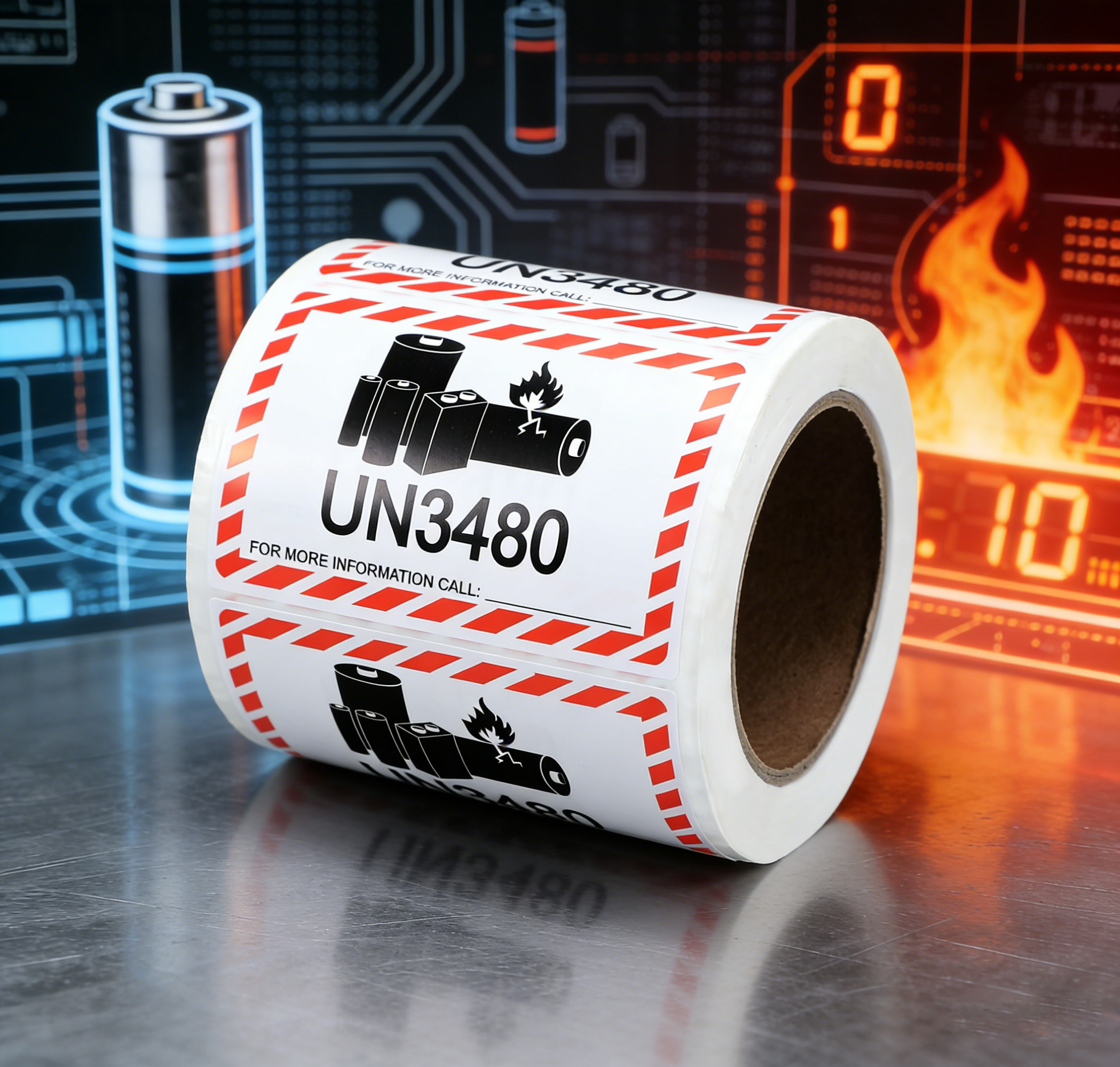
Unlike a price tag or a brand sticker, a battery label must survive extreme conditions: high temperatures, humidity, electrical current, and physical handling. It must remain readable, firmly attached, and electrically safe throughout the entire life of the battery.
In simple terms: Ordinary stickers are decoration. Battery labels are protection.
A truly safe battery label must have four core features:
Heat Resistance – Made from PET (polyester) material that withstands temperatures up to 150°C (300°F) without shrinking, melting, or slipping.
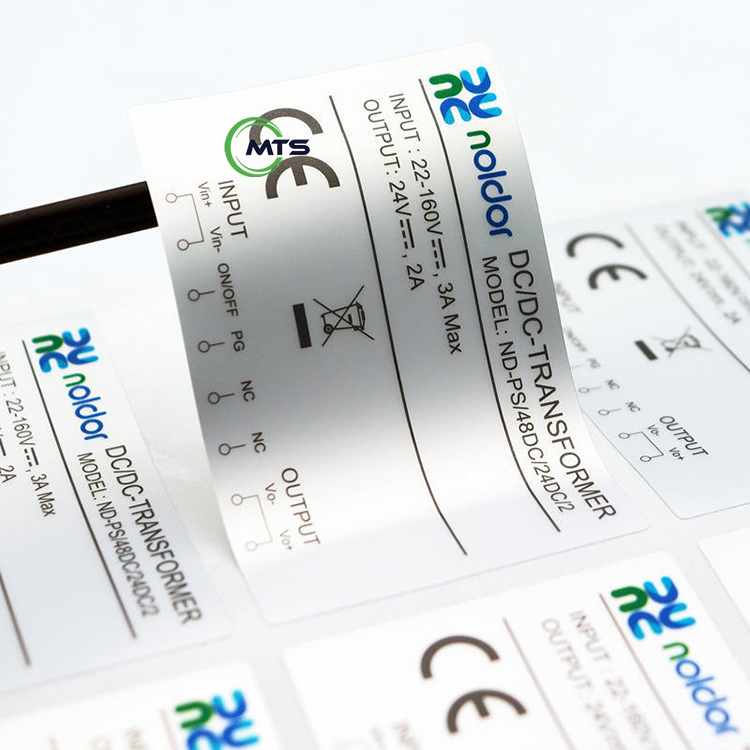
Non-Conductive – No metal foils or conductive materials. Even a metallic look is achieved with special synthetic materials that look like chrome but insulate like rubber.
High Definition Printing – 1200 DPI resolution ensures that tiny warning icons and text remain sharp and readable for customs compliance.
Serialization Capability – Each label can carry a unique code (e.g., Bat-001, Bat-002) for warranty tracking and batch management.
Battery labels face conditions that no ordinary sticker ever encounters.
First, there is the heat problem. Batteries generate heat when charging and discharging. A cheap paper label or low-grade vinyl will experience the "ghosting effect"—the adhesive melts and the label slides off. Or worse, the "brown edge" appears: paper carbonizes from heat, turning brown or black and making the text unreadable.
Second, there is the conductivity danger. Some metallic-looking labels, like silver foil, actually conduct electricity. If such a label accidentally touches both the positive and negative terminals of a battery, it can cause a short circuit or even a spark.
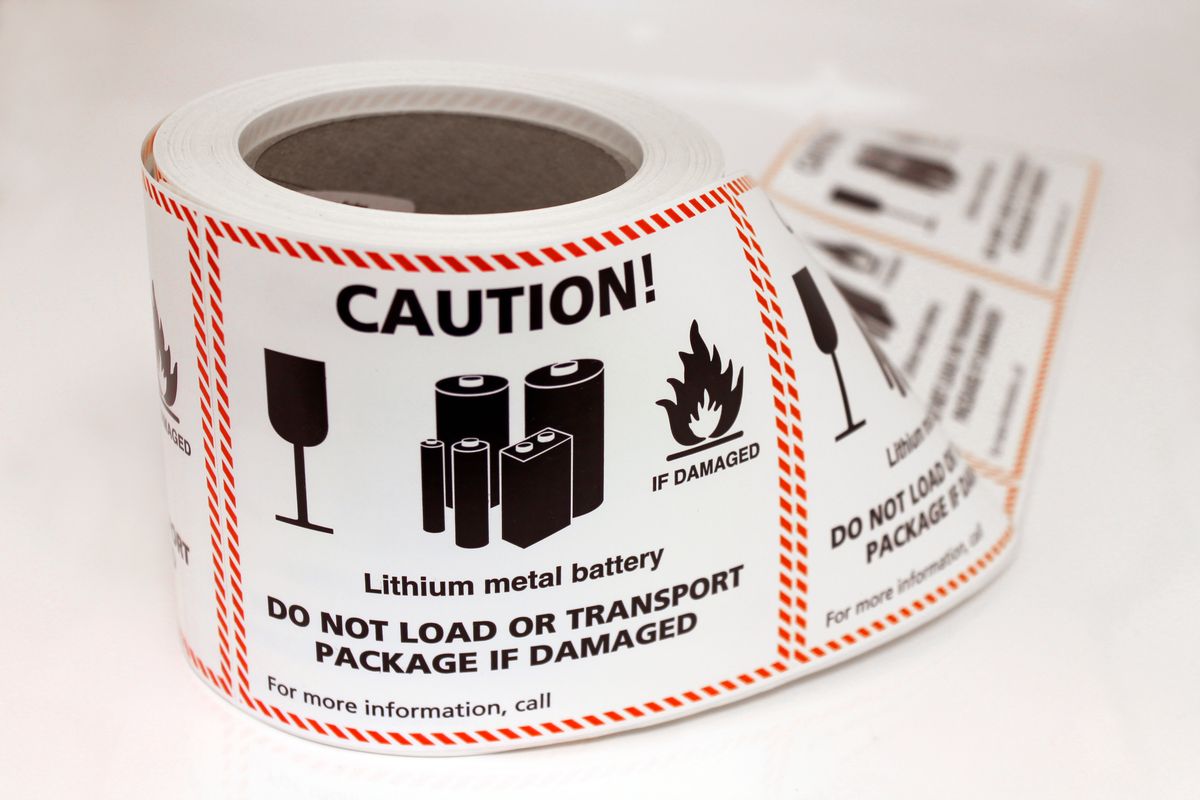
Third, there is the size constraint. Battery labels are often very small, yet they must carry legally required warning symbols. Any blurriness can cause an entire shipment to be seized by customs.
That is why battery labels are not optional accessories. They are a critical part of battery safety engineering.
A professional battery label works like a three-layer safety shield.
Layer 1: The Substrate – Made of PET polyester film. Think of it as "heat-proof plastic." It acts like armor against heat, preventing deformation or charring.
Layer 2: The Printing – Digital printing at 1200 DPI ensures that even micro-sized text and variable data (like QR codes and serial numbers) are razor-sharp.
Layer 3: The Overlaminate – A protective clear layer is added to resist sweat, oil, friction, and rubbing. This ensures the label remains legible for the entire life of the battery.
In addition, the label itself is made from non-metallic, non-conductive materials. This means the label will never become part of an electrical circuit, eliminating the risk of short circuits.
To meet regulatory and safety requirements, a compliant battery label must typically include:
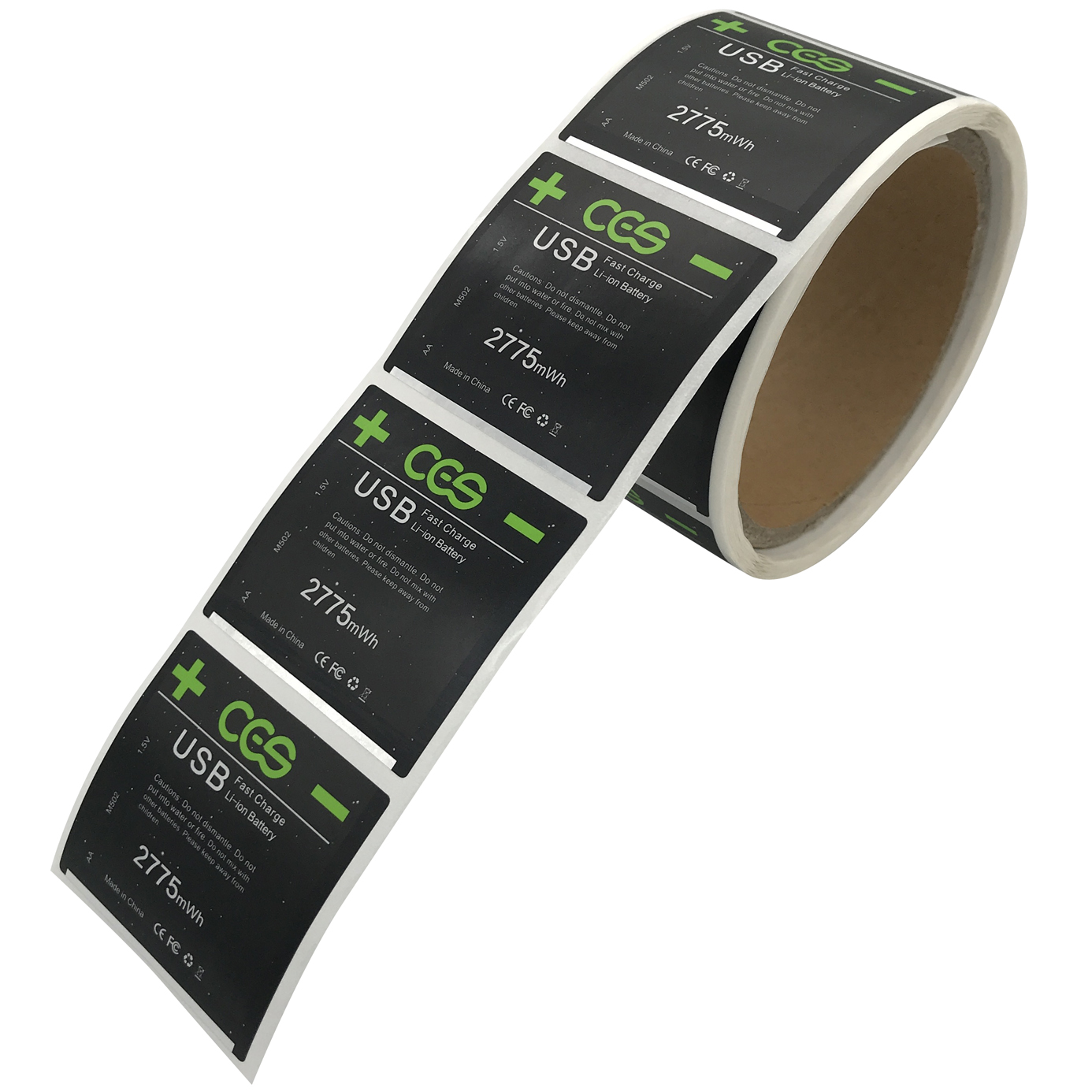
Battery type and capacity (e.g., 18650 / 3.7V / 3500mAh)
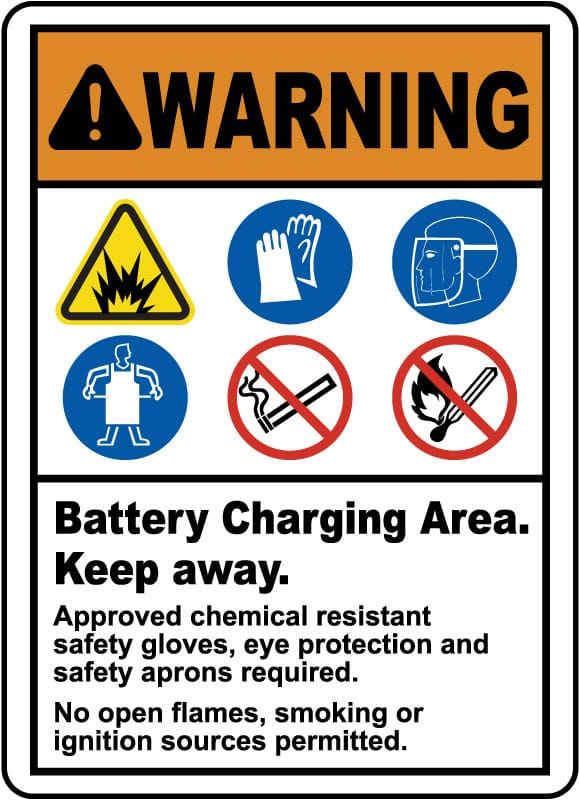
Warning symbols (e.g., "Do not trash," fire hazard icon)
Positive and negative polarity marks (+ / –)
Manufacturer name or logo
Traceability code (serial number, batch number, or QR code)
Compliance marks (CE, UL, RoHS, etc., depending on the target market)
All of this information must be clear, permanent, and non-conductive—even when printed very small.
Many manufacturers make the same mistakes when selecting battery labels. Here are the most common ones:
Mistake 1: Using paper labels. Paper carbonizes with heat. Over time, it turns brown, becomes brittle, and can even catch fire.
Mistake 2: Choosing glossy metallic labels without checking conductivity. Some metallic finishes are made with actual metal particles. These can create a short circuit.
Mistake 3: Ignoring adhesive quality. A cheap adhesive melts when warm. The label slides off, and the battery becomes unidentifiable.
Mistake 4: Printing warnings at low resolution. Blurry or small icons that are unreadable will get your shipment rejected at customs.
Mistake 5: No serialization. Without unique IDs, warranty tracking and recall management become nearly impossible.
A label failure is not just an inconvenience. It can have serious consequences.
Scenario 1: The label falls off. The battery no longer shows its capacity, voltage, or safety warnings. The user may mishandle or overcharge it.
Scenario 2: The label becomes unreadable. Heat turns it black. The warnings disappear. The manufacturer cannot be identified. This is a compliance failure.
Scenario 3: The label conducts electricity. It touches both terminals. A spark occurs. In a worst-case scenario, this can ignite flammable materials nearby.
Scenario 4: Customs rejects the shipment. Blurry or missing mandatory symbols mean your products do not enter the country. You lose time, money, and customer trust.
Professional battery labels prevent all of these scenarios. Cheap labels invite them.
Traditional printing methods have a major limitation: every label in a batch must be identical. If you need unique serial numbers or QR codes on each battery, traditional printing simply cannot do it.
Digital printing changes everything.
With digital presses, we can print 1,000 labels, and every single one can be different. For example:
Bat-001, Bat-002, Bat-003 ... up to Bat-1000
Unique QR codes for individual product tracking
Batch numbers and production dates that change automatically
This makes warranty tracking effortless. It also allows for precise inventory management and faster recalls if a specific batch has an issue.
Traditional printing is rigid. Digital printing is flexible, efficient, and perfect for serialized battery labels.
Choosing a battery label is not a cosmetic decision. It is a safety decision.
A cheap, paper-based sticker can melt, carbonize, conduct electricity, or fall off. It can turn a safe battery into a fire hazard. It can get your shipment rejected by customs and damage your brand's reputation.
A professional battery label, on the other hand:
Withstands high temperatures
Does not conduct electricity
Remains legible for years
Supports unique serial numbers
Meets international compliance standards
Your batteries power the world. Make sure they are labeled safely.
StickerForge is a professional manufacturer specializing in custom stickers and custom labels for a wide range of industries. We serve businesses of all sizes, from startups to global brands, providing high-quality labeling solutions for every application.
Our Custom Battery Labels are engineered specifically for the demanding environment of battery packs, power banks, and electric tools. We use heat-resistant PET materials, non-conductive construction, 1200 DPI digital printing, and full serialization capabilities. Every label we produce is built for safety, compliance, and durability.
Stop playing with fire. Get professional battery labels for your brand today.
Q: Can I use regular paper stickers on my battery pack?
A: No. Paper stickers can carbonize from heat, turn brown, become unreadable, and even pose a fire risk.
Q: Are glossy or metallic labels safe for batteries?
A: Only if they are made with non-conductive materials. Many metallic-looking labels use actual metal particles and can cause short circuits. Always ask for non-conductive certification.
Q: What temperature can a safe battery label withstand?
A: Professional PET-based battery labels can withstand up to 150°C (300°F) without shrinking, melting, or losing adhesion.
Q: Why do I need unique serial numbers on each battery label?
A: Serial numbers allow you to track warranty claims, manage inventory, and perform targeted recalls if a specific batch has a defect.
Q: How can I be sure my battery labels are compliant with customs regulations?
A: Use high-definition printing (1200 DPI or higher) and include all required warning symbols. A protective laminate also ensures the ink will not rub off during handling.
Q: Can you print small quantities with different designs or numbers on each label?
A: Yes. With digital printing, we can print short runs and even make every single label unique. Traditional printing cannot do this.
Q: How do I get a quote for custom battery labels?
A: Contact StickerForge directly. Provide your label size, quantity, material preference, and any artwork files. We will send you a quote for heat-resistant, non-conductive, serialized battery labels.






 +8618128095554
 sales@stickerforgeco.com
 +8618128095554