
Get bulk orders for 30% less than local suppliers, plus free samples.
Get bulk orders for 30% less than local suppliers, plus free samples.
A “Refrigeration Only” label is a specific type of storage instruction label that tells everyone handling a product—from warehouse workers to delivery drivers to retail staff—that the item must be kept inside a refrigerator at all times. This is not a suggestion. It is a requirement.
Unlike general “keep cool” advice or “store in a cool, dry place” statements, a Refrigeration Only label leaves no room for interpretation. It means the product belongs between 34°F and 40°F (1°C to 4°C). Anything outside that range, even for a short time, can damage the product.
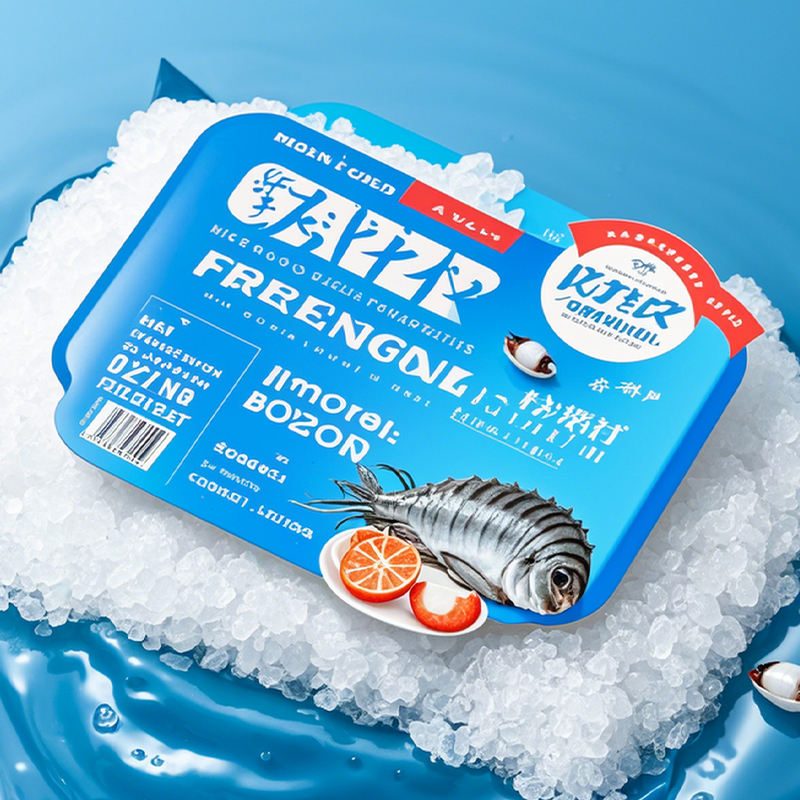
As a company that prints thousands of custom labels every day, StickerForgeco sees Refrigeration Only labels as more than just a sticky piece of paper. They are a safety tool. They protect consumers from spoiled food or ineffective medicine. They protect businesses from lawsuits and wasted inventory. And they protect brands from reputation damage. The clarity of the label is everything—how the message is presented, how well it sticks in cold environments, and how long it lasts. Let’s get into what makes these labels work.
Not every label can survive a refrigerator. A standard paper label will curl, peel, or turn into a wet mess within hours. A proper Refrigeration Only label needs specific features to do its job.
Here is what a quality Refrigeration Only label must have:
Cold-temperature adhesive – Standard glue becomes brittle and loses its grip near freezing. Refrigeration labels use special adhesives that stay sticky and flexible at low temperatures.
Moisture-resistant material – Refrigerators are humid environments. Condensation forms on surfaces. The label material must resist water, smearing, and tearing when wet.
Clear, bold text – The phrase “Refrigeration Only” should be the largest text on the label. Use high-contrast colors like dark blue or black on a white or bright background.
Durable lamination or coating – A protective layer prevents the label from scratching, fading, or absorbing moisture over weeks of cold storage.
Temperature range indicator – Many good labels also include a specific temperature range (e.g., “Store at 36°F–40°F”) to remove any guesswork.
At StickerForgeco, when producing Refrigeration Only labels, the material choice is the first and most important decision. A label that fails in the refrigerator is a liability, not a label.
A Refrigeration Only label does four critical jobs across the supply chain.
First, it communicates a non-negotiable storage requirement. The label tells every person who touches the product—packer, shipper, receiver, stocker, and customer—that refrigeration is mandatory. No ambiguity. No “it might be fine.”
Second, it creates legal and audit protection. If a product spoils because someone left it on a loading dock for six hours, the label proves the instruction was given. Regulatory agencies like the FDA require clear storage instructions on many temperature-sensitive products. Without the label, the manufacturer is at fault.
Third, it prevents accidental temperature abuse. Warehouse staff move thousands of boxes every day. A plain box with no label might end up anywhere. A bright Refrigeration Only label catches the eye and triggers the correct handling response.
Fourth, it preserves product quality and safety. This is the ultimate purpose. Many products—dairy, fresh meat, insulin, vaccines, certain chemicals—degrade rapidly above 40°F. The label is the first line of defense against spoilage, illness, or ineffective treatment.
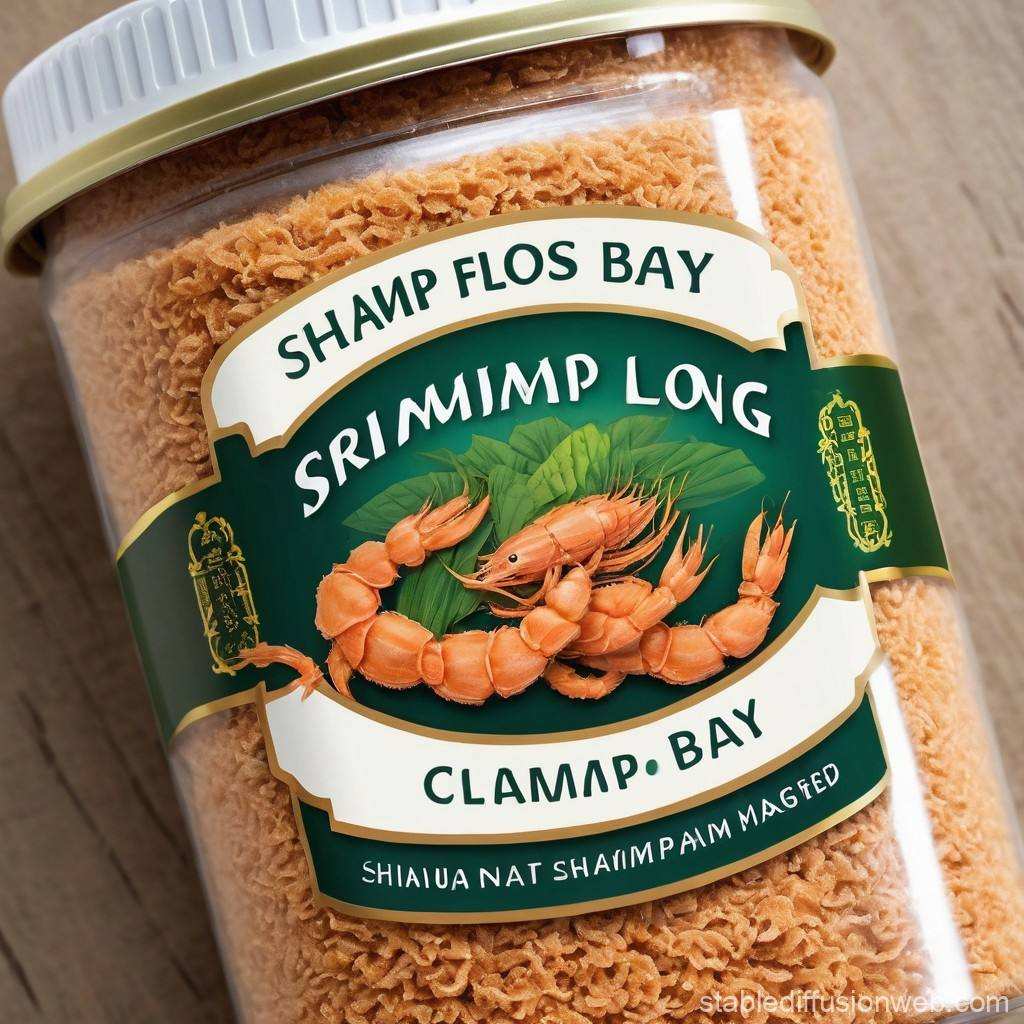
A Refrigeration Only label is not decorative. It is a functional, protective device that directly impacts public health and business profitability.
Refrigeration Only labels come in several material and design types. The right choice depends on how cold the environment gets, how long the label must last, and what surface it will stick to.
Paper labels with cold adhesive – These are the most economical option. They work for short-term refrigeration (days or weeks) on dry surfaces. However, paper absorbs moisture over time and will eventually fail. Best for low-cost, short-shelf-life products.
Synthetic labels (polypropylene or polyester) – These are the industry standard for refrigeration. Synthetic materials do not absorb water. They resist tearing, smearing, and curling. They work in both refrigerators and freezers. A synthetic Refrigeration Only label can last for months or even years in cold, wet conditions.
Freezer-grade labels – For products stored below freezing (0°F/-18°C or lower), freezer-grade labels are required. The adhesive and material are formulated to perform in extreme cold without becoming brittle.
Removable vs. permanent labels – Removable Refrigeration Only labels come off cleanly from reusable containers or shelving. Permanent labels are designed to stay on for the entire product life, even if the surface gets wet or frozen.
Custom shape and color labels – Brands often want their Refrigeration Only label to stand out. Bright red, fluorescent yellow, or custom-branded colors with the company logo increase visibility. Custom die-cut shapes (circles, rounded rectangles, or product-specific outlines) also help the label get noticed.
At StickerForgeco, the most popular choice for food and pharmaceutical clients is a white synthetic label with bold blue text, a permanent cold-temperature adhesive, and a clear gloss laminate for extra protection.
Many companies try to save money by using standard “store in a cool place” labels or generic temperature stickers. This is a false economy. A proper Refrigeration Only label offers clear advantages.
Advantage 1: No confusion. A standard label might say “keep refrigerated after opening” or “store in a cool, dry place.” Those instructions are vague. What temperature is “cool”? Does “after opening” mean before opening is fine at room temperature? A Refrigeration Only label removes every question. The requirement is clear from the moment the product is sealed until it reaches the end user.
Advantage 2: Stronger legal position. If a product causes illness or loses effectiveness, regulators and courts look at labeling first. A specific, bold Refrigeration Only label shows due diligence. A vague “keep cool” label shows negligence. The difference can mean millions in liability.
Advantage 3: Better cold-chain compliance. Warehouse and logistics staff are trained to look for specific handling labels. A Refrigeration Only label triggers immediate action: put this on the cold truck, store it in the cold room, do not leave it on the dock. Standard storage labels often get ignored because they look like generic instructions.
Advantage 4: Longer product life. Products stored consistently at the correct temperature last longer. Dairy stays fresh until the expiration date. Vaccines remain potent. Chemicals remain stable. The label directly supports the product’s intended shelf life.
Advantage 5: Customer confidence. When a customer sees a clear Refrigeration Only label on a product, they trust that the manufacturer knows what they are doing. It signals professionalism and care. A missing or unclear label signals the opposite.
The upfront cost of a proper Refrigeration Only label is tiny compared to the cost of a recall, a lawsuit, or lost customer trust.
Many products across multiple industries require a Refrigeration Only label. Here are the most common categories.
Food and beverage products
Fresh dairy: milk, cream, yogurt, cheese, butter
Fresh meat, poultry, and seafood
Prepared meals and deli items
Fresh juices and unpasteurized beverages
Cut fruits and vegetables
Eggs (in many regions)
Cream-based sauces and dressings
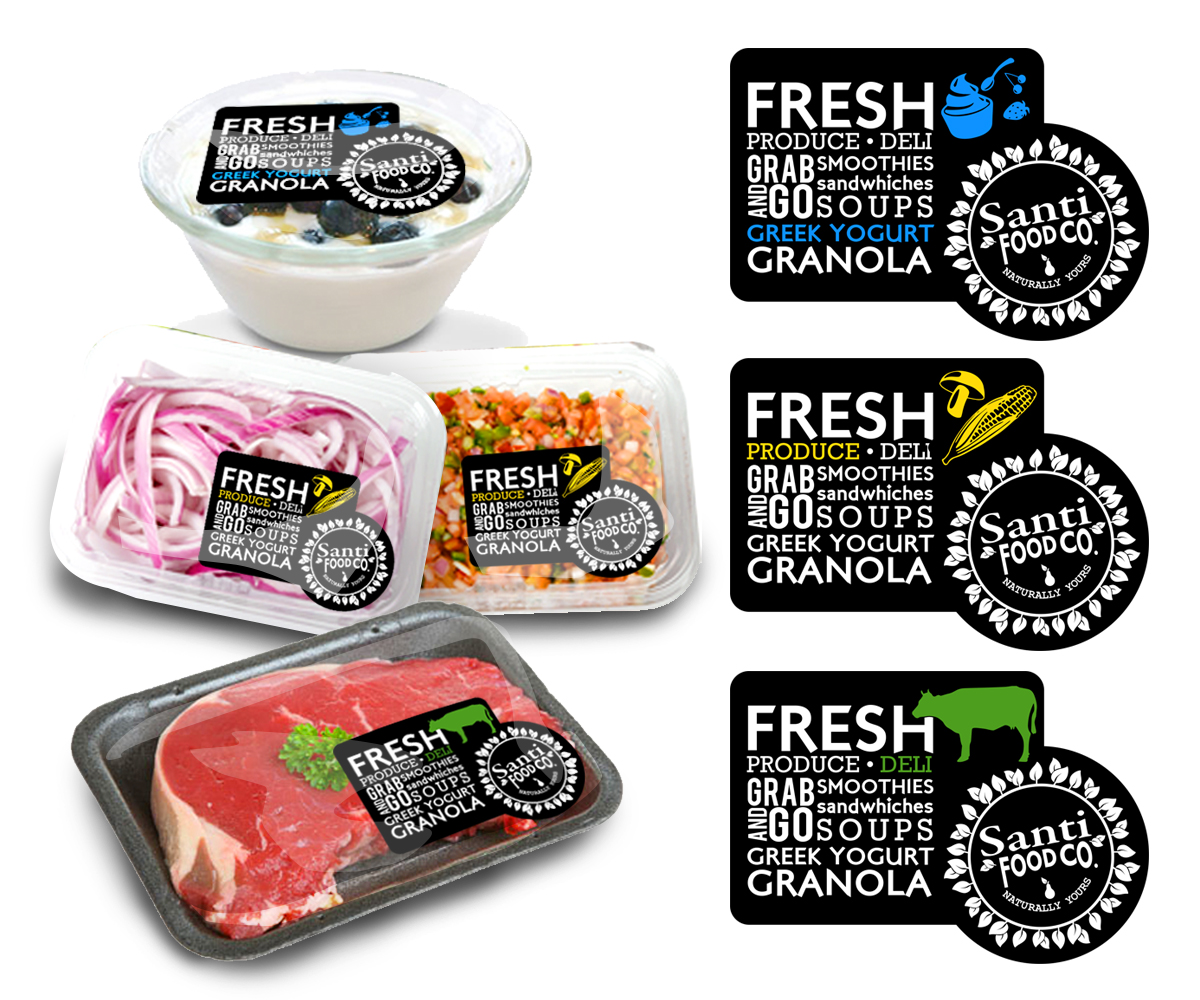
Pharmaceuticals and medical products
Insulin and other injectable medications
Vaccines and biologics
Certain eye drops and liquid antibiotics
Probiotics and temperature-sensitive supplements
Lab reagents and diagnostic kits

Cosmetics and personal care
Natural or preservative-free skin care products
Certain serums and active-ingredient creams
Products labeled “refrigeration recommended for longevity”
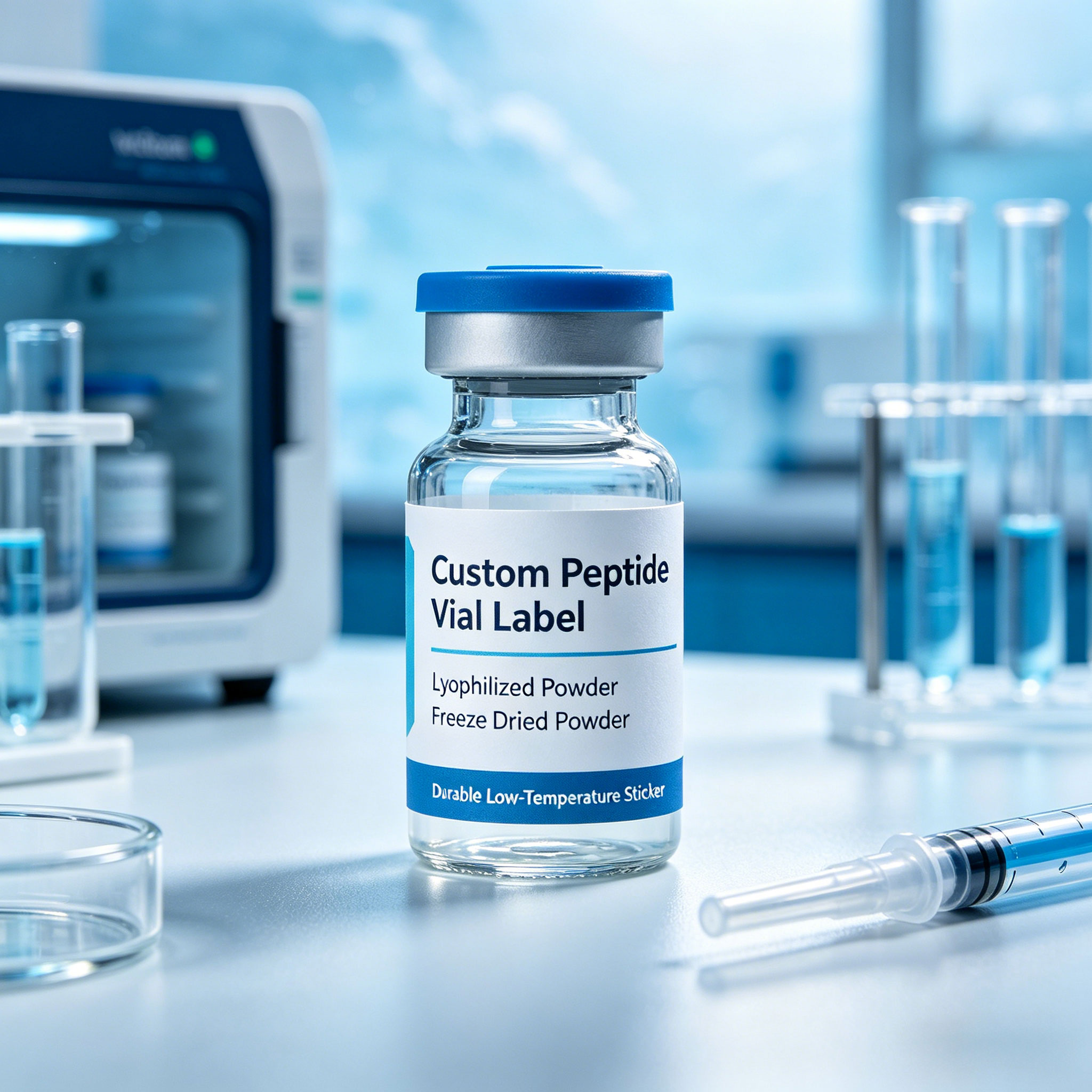
Chemicals and industrial products
Adhesives and sealants with temperature-sensitive formulas
Certain paints, coatings, and epoxies
Photographic chemicals and printing supplies
Pet products
Raw pet food and frozen treats
Refrigerated medications for animals
Fresh pet foods and toppers
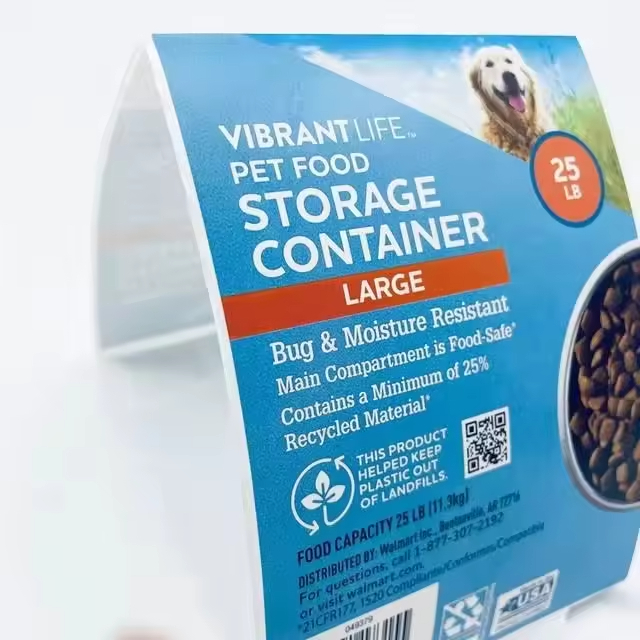
Any product that degrades, spoils, becomes unsafe, or loses effectiveness above 40°F needs a Refrigeration Only label. If a company is unsure, the safe answer is to add the label.
A Refrigeration Only label only works if it stays on and stays readable. Correct application matters as much as the label itself.
Apply to clean, dry, smooth surfaces. Wipe away dust, grease, moisture, or condensation before applying the label. Rough or textured surfaces reduce contact area and increase the chance of peeling.
Apply at room temperature if possible. Cold adhesives are designed to stay cold, but they bond best when initially applied at normal room temperature (65°F–75°F). If the product is already cold, the label will still work, but the bond may be slightly weaker.
Press firmly, especially on edges. Use a squeegee, a clean cloth, or firm thumb pressure across the entire label surface. Pay extra attention to corners and edges. Those are where peeling starts.
Allow time for the adhesive to set. If possible, let the labeled product sit at room temperature for 10–15 minutes before moving it into refrigeration. This gives the adhesive time to flow into the surface for maximum grip.
Do not apply over seams, ridges, or curved edges. A label bridging a gap will lift. Place labels on flat, uninterrupted surfaces. For cylindrical containers, apply the label lengthwise along the curve, not across a seam.
Test the label before full production order. Every surface is different. Order a small batch of Refrigeration Only labels first. Apply them to actual product packaging under real storage conditions. Wait a week. Check for peeling, curling, or smearing. Then order the full quantity.
Even experienced companies make mistakes with Refrigeration Only labels. Here are the most frequent problems and how to avoid them.
Mistake 1: Using paper labels in high-humidity refrigeration. Paper absorbs moisture. The label curls, the adhesive fails, and the label falls off or becomes unreadable. Always use synthetic materials for any refrigerated product stored longer than a few days.
Mistake 2: Printing the text too small. A Refrigeration Only label must be readable from several feet away. Warehouse staff should see the label and understand the instruction without picking up the box. Minimum text height should be 1/4 inch (6mm) for the main instruction.
Mistake 3: Placing the label on the wrong surface. Some packaging materials—like certain plastics or waxy coatings—resist adhesion. Test every label on every packaging type before committing to a large order.
Mistake 4: Forgetting about secondary packaging. The Refrigeration Only label must be on the outermost shipping container, not just the inner product package. A warehouse worker sees the outside of the case or pallet. If the label is inside, it is useless.
Mistake 5: Using the same label for refrigerator and freezer. Freezer temperatures require different adhesives and materials. A refrigerator label may crack and fail in a freezer. Specify the exact storage temperature range when ordering.
Mistake 6: No temperature range included. “Refrigeration Only” is good. “Refrigeration Only – Store at 36°F–40°F” is better. The specific range helps handlers who work with different cold zones (e.g., produce at 34°F vs. dairy at 38°F).
When a product needs a Refrigeration Only label, the label itself has to be reliable. A failed label means a failed safety instruction. That is why StickerForgeco exists.
StickerForgeco is a custom sticker and custom label manufacturer specializing in labels for every industry. Food, pharmaceutical, cosmetic, chemical, pet product—StickerForgeco produces Refrigeration Only labels that stay on, stay readable, and stay cold.
The company builds every label around three core commitments.
No Minimum Order (Digital Printing) – Many businesses need a small batch of Refrigeration Only labels to test a new product, comply with a regulation, or serve a niche item. StickerForgeco offers digital printing with no minimum order quantity. Need 50 labels? Need 500? The answer is yes.
Factory Direct Pricing (Save 30%) – By manufacturing in-house and selling directly to customers, StickerForgeco cuts out distributors and middlemen. Customers save approximately 30% compared to retail label suppliers. The savings go directly to the bottom line.
9-Day Global Delivery – Refrigeration labels are often urgent. A shipment is waiting. A new product launch is scheduled. StickerForgeco delivers custom Refrigeration Only labels to any country within 9 business days from artwork approval. Express options are available for faster delivery.
StickerForgeco offers full customization: material (paper, synthetic polypropylene, polyester), adhesive strength (removable or permanent), laminate (gloss or matte), size, shape, color, and text. Every Refrigeration Only label can include a company logo, a specific temperature range, a barcode, a lot number, or any other required information.
For brands that need Refrigeration Only labels that actually work in cold, wet environments, StickerForgeco is the supplier. Visit StickerForgeco, send artwork and specifications by email, and receive a quote the same day.
Q1: What is the difference between “Refrigeration Only” and “Keep Refrigerated”?
“Refrigeration Only” means the product must never be at room temperature. “Keep Refrigerated” is sometimes interpreted as a recommendation. “Refrigeration Only” is a requirement with no exceptions.
Q2: Can paper labels work for refrigerated products?
Paper labels work for very short-term refrigeration (less than one week) on dry surfaces. For any longer period or any humid environment, synthetic labels are required.
Q3: What temperature range should a Refrigeration Only label show?
The standard refrigerator range is 34°F–40°F (1°C–4°C). Some products require narrower ranges. Check product specifications and regulatory requirements before printing.
Q4: Does StickerForgeco provide free samples before ordering?
Yes. StickerForgeco can produce sample Refrigeration Only labels for testing on actual product packaging under real storage conditions.
Q5: How quickly can StickerForgeco ship an emergency Refrigeration Only label order?
Standard production and delivery is 9 business days. Rush production (2–3 business days) plus express shipping is available for urgent orders. Contact StickerForgeco directly for emergency timelines.






 +8618128095554
 sales@stickerforgeco.com
 +8618128095554