
Get bulk orders for 30% less than local suppliers, plus free samples.
Get bulk orders for 30% less than local suppliers, plus free samples.
You have a premium vitamin line that uses organic ingredients, sustainable packaging, and third-party testing. But the label on the bottle looks like every other supplement on the shelf — or worse, it starts peeling after two weeks in a customer's bathroom cabinet. It is frustrating to put money into quality formulation only to have the packaging fail to communicate trust.
To make health and wellness labels work for your brand, you need a durable material that resists humidity and cold, a clean design that prioritizes readability, and compliance information that meets regulatory standards without cluttering the visual appeal. These labels must balance aesthetics with performance — even in challenging environments like humid bathrooms or refrigerated storage.
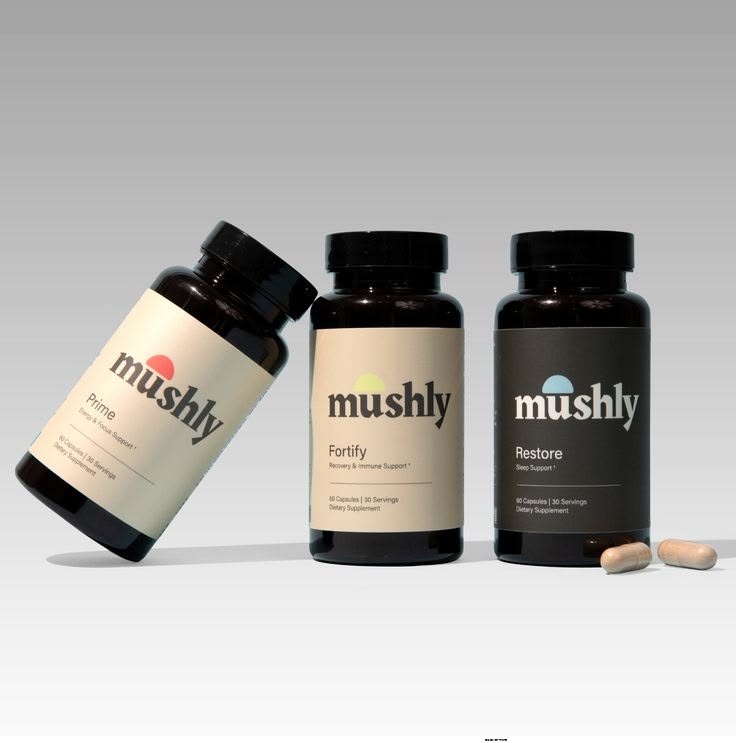
I see many brands try to save money on labeling by using standard paper stickers or off-the-shelf templates. The first time a customer leaves the shampoo bottle in a wet shower, the label peels off at the corners. The ink smudges when someone wipes a damp hand across the ingredient list. The edges curl up after two weeks in a refrigerator. You do not want your premium wellness product to look cheap. You need to follow a specific labeling process. Here is what I have learned from producing millions of health and wellness labels in my factory.
You see the term "health and wellness labels" everywhere, but you are not sure if it applies to your specific product — a herbal tincture, a jar of body butter, or a box of protein bars.
Health and wellness labels are specialized identifiers used on products designed for internal or external health support. This includes vitamins, dietary supplements, skincare and personal care products, essential oils and aromatherapy items, and organic or natural wellness goods.
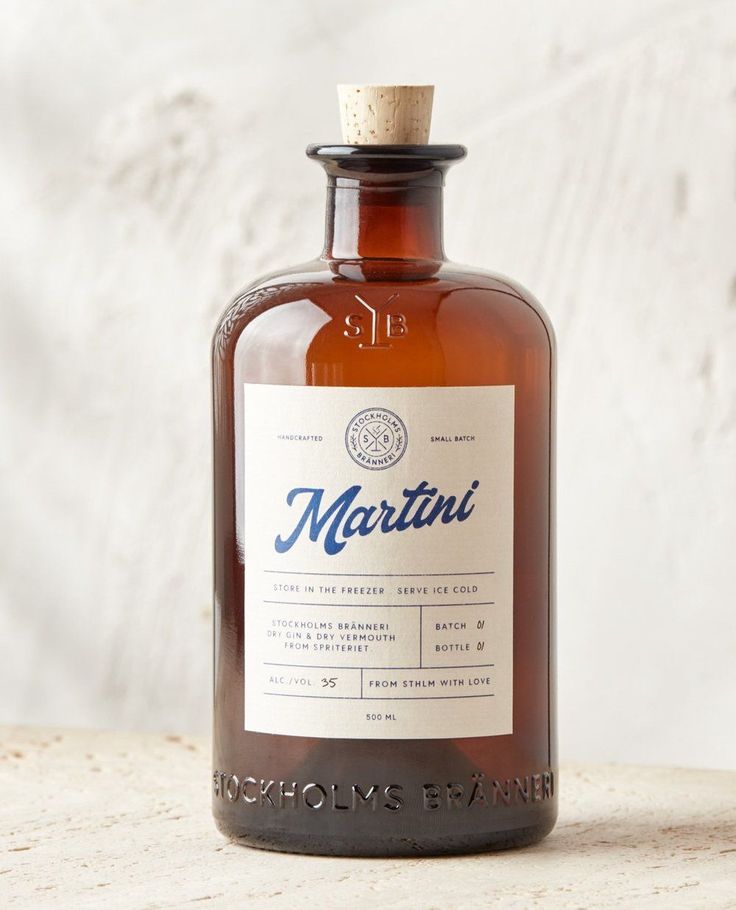
Unlike generic product labels that just need to show a logo and a barcode, health and wellness labels carry a heavier responsibility. They must clearly communicate ingredients, usage instructions, warnings, and compliance information — all while looking professional and trustworthy.
In my factory, I see two types of customers. The first type thinks any sticker will work. They order the cheapest paper label and wonder why it fails. The second type understands that a health label is a hybrid of regulatory document and brand ambassador. They ask about material specifications, adhesive performance, and cold-temperature testing. The second type sells more product.
| Category | Examples | Unique Label Requirement |
|---|---|---|
| Dietary Supplements | Vitamins, minerals, probiotics | Cold-temperature resistance for refrigerated items |
| Personal Care | Shampoo, lotion, sunscreen | Waterproof and humidity resistance |
| Essential Oils | Aromatherapy blends, carrier oils | Chemical-resistant adhesive |
| Organic/Natural | Clean beauty, herbal products | Eco-friendly material options |
You order labels that look beautiful on your desk, but when you ship them to a customer in a humid climate, they arrive with edges already starting to curl.
Premium health and wellness labels share four critical features that standard stickers lack.
Durability
Health products often live in challenging environments. Think of a shampoo bottle in a steamy shower, a probiotic on a refrigerated shelf, or an essential oil bottle next to a diffuser. Premium labels are engineered to withstand humidity, low temperatures, and occasional spills. Even in challenging environments like humid bathrooms or refrigerated storage, high-quality labels maintain their integrity — no peeling, no fading, no curling.
I once had a customer who sold bath salts. The product sat in a steamy bathroom after every use. Their first label order used paper material. Within two weeks, the labels looked like wrinkled newspaper. We switched them to a waterproof polypropylene material with a permanent acrylic adhesive. The problem disappeared.
Compliance Readiness
A good label includes all legally required information: ingredient lists in descending order of predominance, net weight in both metric and imperial units, usage directions, and any cautionary statements required by regulators like the FDA or FTC. It meets basic regulatory standards without sacrificing design.
Aesthetic Clarity
Wellness consumers are drawn to clean, minimalist, and professional aesthetics. They are skeptical of loud, cluttered designs that look like they are trying too hard. Whether you choose matte or gloss, transparent or white material, your label should communicate purity and precision at a single glance.
Strong Adhesion
Different containers require different adhesives. Glass, plastic (HDPE/PET), soft tubes, and metal lids all demand specific adhesive formulations. Premium labels stick where they are supposed to — and stay there. A label that lifts at the corner signals carelessness. And carelessness is the enemy of trust in the wellness industry.
| Feature | Why It Matters | What To Look For |
|---|---|---|
| Durability | Product lives in bathrooms or fridges | Synthetic material (polypropylene/polyethylene) |
| Compliance | Legal requirement, builds trust | Clear ingredient panel, net weight on front |
| Aesthetic | Attracts the right customer | Clean hierarchy, white space, matte or gloss finish |
| Adhesion | Stays stuck for product lifetime | Adhesive matched to container material |
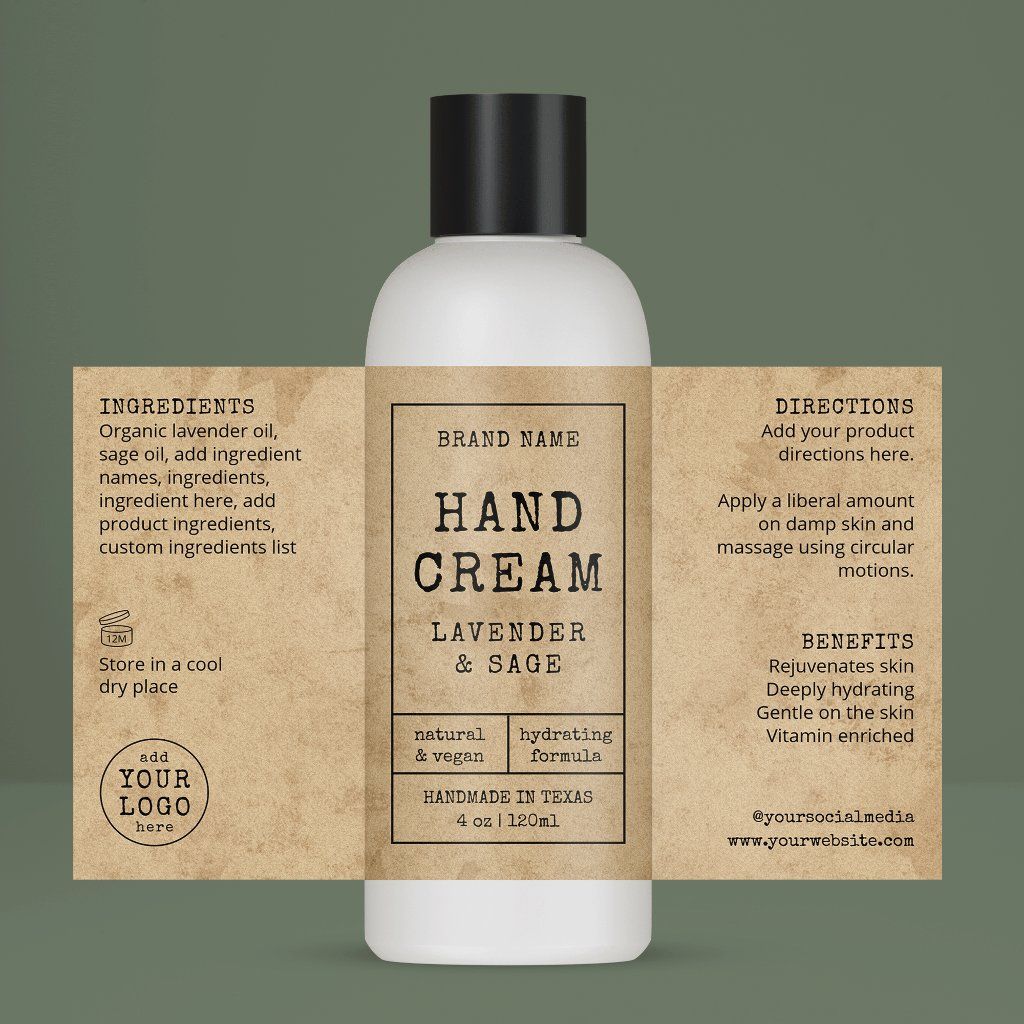
You think a label is just a label. But your customer judges your entire brand by that two-inch square of vinyl before they even read the ingredient list.
Consumers Are Smarter Today
Modern wellness buyers read labels. They check for "organic," "non-GMO," "clean," and "no artificial preservatives." They turn the bottle around and scan the ingredient list for things they cannot pronounce. A blurry, poorly printed, or hard-to-read label signals carelessness — and carelessness is the enemy of trust.
I see this every day in my factory. A customer sends me a beautiful design, but they used a 4-point font for the ingredient list. I warn them it will be unreadable to anyone over 40. They print it anyway. Three months later, they come back with bad reviews saying customers could not read the label. Now they need a reprint.
Shelf Competition Is Fierce
Whether on a retail shelf at Whole Foods or an e-commerce product page on Amazon, your label is your silent salesperson. In a crowded category — and every wellness category is crowded right now — a clear, professional label can be the difference between a customer picking your product or your competitor's.
Trust Is Everything in Wellness
Health products are personal. Consumers put them in or on their bodies. A label that peels off, smudges, or looks unprofessional raises immediate red flags. Conversely, a crisp, durable, beautifully designed label says: This brand cares about quality.
Regulatory Scrutiny Is Increasing
Governments and industry bodies are tightening rules around health claims and labeling accuracy. The FDA sends warning letters for misbranded supplements every month. An incorrect or incomplete label can lead to fines, recalls, or worse — loss of customer trust and retail relationships.
| Reason | Why It Matters Now |
|---|---|
| Smarter consumers | They judge quality by label clarity |
| Competition | Label is the silent salesperson |
| Trust | Poor label = poor product (in customer's mind) |
| Regulation | Fines and recalls are real risks |
You make a specific type of wellness product, and you are not sure which label features matter most for your category.
Premium health and wellness labels are used across a wide range of products, each with unique requirements.
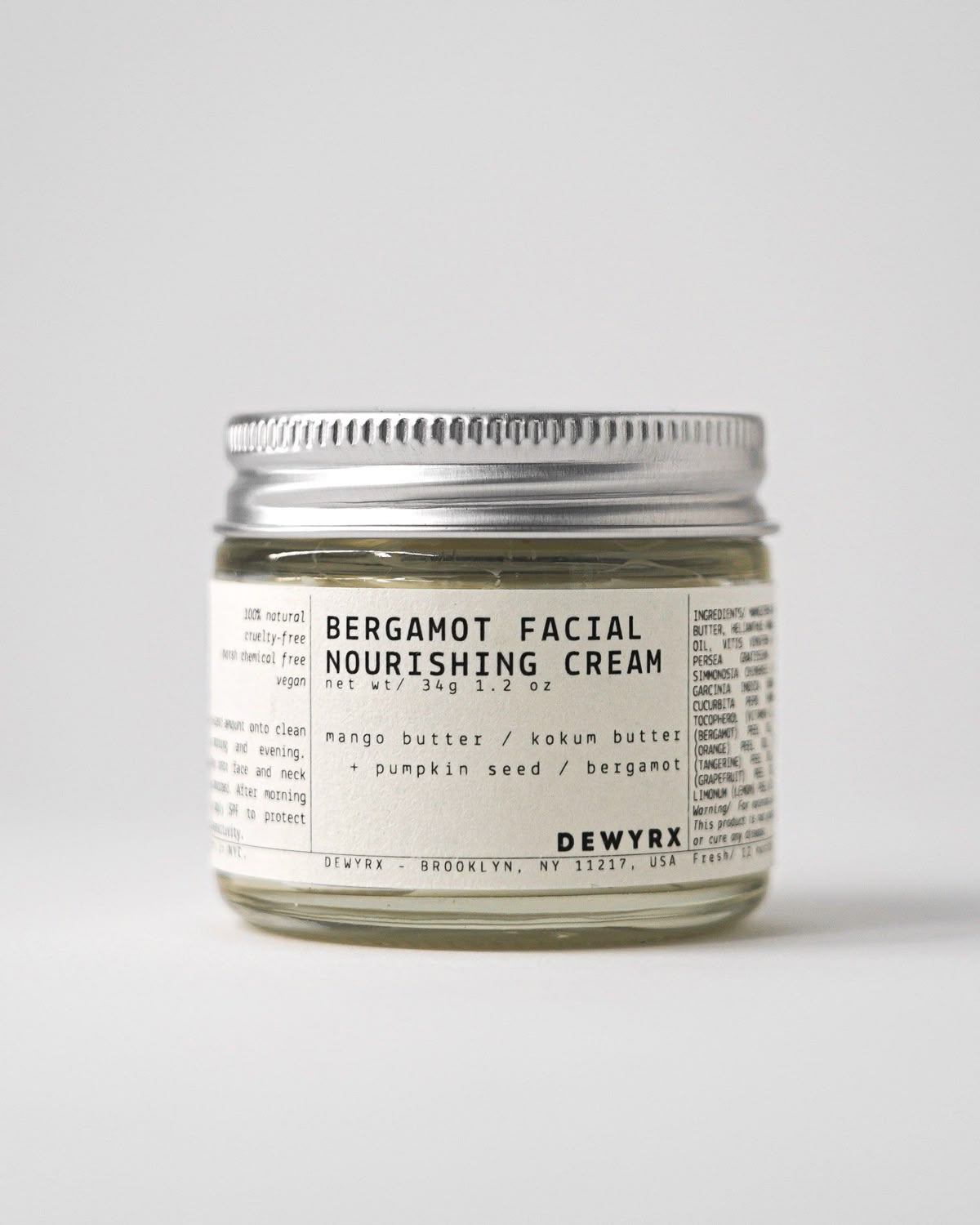
Dietary Supplements
Vitamin bottles, mineral jars, probiotic containers. If your product requires refrigeration, your label needs a cold-temperature adhesive that remains flexible below 4°C (39°F). If your product uses dark glass to protect light-sensitive ingredients, consider a transparent label that shows off the glass.
Personal Care
Shampoos, lotions, sunscreens in tubes and bottles. Bathroom storage means high humidity. You need a waterproof material with a moisture-resistant adhesive. For squeezable tubes, the label material must flex with the tube without cracking or losing adhesion.
Essential Oils
Dark glass bottles with dropper tops. Essential oils are powerful solvents. They can break down standard adhesives. You need a chemical-resistant adhesive that will not dissolve when exposed to plant extracts.
Organic & Natural Products
These customers expect eco-friendly packaging. Consider paper-based materials with biodegradable adhesives, but be honest about the trade-off: they will not survive a bathroom environment.
Pet Wellness
Pet vitamins and grooming products. These face the same challenges as human wellness products, but the customer is often less forgiving. A peeling label on a dog's supplement bottle still damages your brand.
| Application | Key Requirement | Typical Container |
|---|---|---|
| Dietary Supplements | Cold-temperature adhesive | Glass or plastic bottle |
| Personal Care | Waterproof + flexible | Tube or pump bottle |
| Essential Oils | Chemical-resistant adhesive | Dark glass bottle |
| Organic/Natural | Eco-friendly material | Glass jar or paper tube |
| Pet Wellness | Durability (chewing, water) | Plastic jar or pouch |
You have your artwork ready, but you are staring at a list of material options — polypropylene, polyethylene, vinyl, paper, removable, permanent — and you have no idea which one to pick.
Here are the factors I check for every customer order in my factory.
Material Selection
Paper labels are cheap and eco-friendly, but they absorb moisture. Use them only for dry products stored at room temperature — think a box of tea or a dry powder.
Synthetic materials like polypropylene and polyethylene are waterproof, tear-resistant, and chemically stable. They cost more than paper but last years instead of weeks. For bathroom or refrigerator products, synthetic is not optional — it is required.
Adhesive Type
Permanent adhesive is for products meant to be used until empty. Once it sticks, it does not come off cleanly.
Removable adhesive is for reusable containers where the customer might want to remove the label later. It peels off without leaving residue.
Chemical-resistant adhesive is for essential oils and any product containing solvents. Standard adhesives turn into goo when exposed to plant extracts.
Cold-temperature adhesive stays flexible below freezing. Standard adhesives become brittle and lose grip in a refrigerator.
Print Quality
Small ingredient text must be crisp and readable. Poor print quality undermines trust instantly. I recommend at least 300 DPI for all artwork. Anything lower looks pixelated when printed.
Shape & Size
Your label should fit your container perfectly and maximize the available space for critical information. Measure twice, order once.
Finish
Matte label conveys luxury and sophistication. It hides fingerprints and feels soft. Glossy label creates high impact and vibrant colors. It is easier to wipe clean.
| Factor | Options | Best For |
|---|---|---|
| Material | Paper, polypropylene, polyethylene | Dry vs. wet environments |
| Adhesive | Permanent, removable, chemical-resistant, cold-temp | Container type + storage |
| Print quality | 300+ DPI, digital or flexographic | All products |
| Finish | Matte, gloss | Brand positioning |
You know your product category, but you need specific guidance on what works and what fails.
For Supplement Brands
Prioritize compliance and readability. Your ingredient panel must be clear and legally formatted. If your product requires refrigeration — like many probiotics — test your label at 4°C (39°F) for 72 hours. If the edges lift or the adhesive fails, you need a cold-temperature adhesive.
I had a probiotic brand come to me after their first run of labels fell off every bottle in the retail fridge. They had used standard adhesive on a paper label. The cold made the paper absorb moisture from the fridge. The labels slid right off. We switched to a polypropylene material with a cold-temperature acrylic adhesive. Problem solved.
For Skincare Brands
Focus on oil resistance and flexibility. Lotion tubes get squeezed. The label needs to flex without cracking. Face oils and serums require chemical-resistant adhesive. Bathroom storage requires waterproof material.
For Essential Oil Brands
Choose chemical-resistant, transparent labels that allow the natural color of the oil to show through. Essential oils are strong solvents. Test your label by applying a drop of your oil to the adhesive side. If the adhesive breaks down within 24 hours, you need a different product.
For Personal Care (Bathroom) Products
Waterproof and mildew-resistant labels are non-negotiable. High humidity is the enemy of ordinary paper labels. I also recommend a laminate that seals the edges of the label, preventing moisture from wicking into the material from the cut edge.
| Industry | Primary Risk | Recommended Solution |
|---|---|---|
| Supplements | Cold storage failure | Polypropylene + cold-temp adhesive |
| Skincare | Oil exposure + squeezing | Chemical-resistant adhesive + flexible material |
| Essential Oils | Adhesive breakdown | Test with product before full order |
| Personal Care | Humidity + mildew | Waterproof material + sealed edges |
You want to avoid the problems I see customers bring to my factory every week.
Mistake 1: Focusing Only on Appearance
A beautiful label that peels off after two weeks damages your brand more than an ugly label that stays put. Always test labels in real-world conditions before ordering large quantities.
I see this constantly. A customer falls in love with a paper texture that feels luxurious. They ignore my warning that paper fails in bathrooms. Three months later, they are back for a reprint on synthetic material. The paper labels were a complete loss.
How to avoid it: Order samples. Apply them to your actual containers. Put them in the actual environment — bathroom, refrigerator, gym bag — for one week. Then check for peeling, fading, or adhesive failure.
Mistake 2: Information Overload or Omission
Too much text makes the label unreadable. Missing required information creates compliance risk. The FDA has specific requirements for supplement labels. The FTC regulates health claims. Ignorance is not a defense.
How to avoid it: Hire a compliance consultant or use a label printer who offers compliance review. At StickerForgeco, we flag missing elements before printing.
Mistake 3: Illegible Fonts or Low Contrast
Older consumers or those with visual impairments must be able to read your label. Avoid tiny fonts (below 6 points), low-contrast color combinations (like light gray on white), and decorative scripts for critical information.
How to avoid it: Print a proof at 100% scale. Give it to someone over 50. Ask them to read the ingredient list out loud. If they struggle, your font is too small or your contrast is too low.
Mistake 4: Using Cheap Adhesive
When a customer pulls a product from the refrigerator and the label falls off, trust falls with it. When they wipe a damp hand across your lotion bottle and the ink smears, they assume the lotion inside is also low quality.
How to avoid it: Invest in proper adhesive for your specific application. Tell your label manufacturer exactly where the product will live. We will recommend the right product.
| Mistake | Consequence | Solution |
|---|---|---|
| Only focusing on appearance | Label fails in real use | Test before full order |
| Information errors | Compliance risk, fines | Get compliance review |
| Illegible text | Customer frustration, returns | Print proof, test with real people |
| Wrong adhesive | Labels fall off or smear | Tell manufacturer about environment |
Making effective health and wellness labels requires a moisture-resistant synthetic material for challenging environments, a clear design hierarchy with mandatory compliance information, a 3mm bleed and safe zone for die-cutting, the right adhesive matched to your container and storage conditions, and a protective laminate for frequent handling.
Do not treat labeling as an afterthought. Treat it as a core part of your product development. Because in wellness, trust is everything — and trust starts with the label.
At StickerForgeco, we understand what health and wellness brands truly need. We know that your products face real-world challenges — humid bathrooms, refrigerated storage, oily surfaces, and demanding customers who read every word on the label.
This is where I come in. You want a label that lasts for the entire lifespan of your product — months or even years — not fall off after the first use. Home printers and cheap online shops use basic materials. My factory uses industrial solvent and UV-cured inks that resist fading. We use UV laminates that protect against moisture and scratches. We use precision die-cutting that ensures every label is identical.
When you send us a file, my team checks the resolution. We fix the cutlines. We add the bleed if you forgot it. We recommend the right material and adhesive for your specific product — whether it lives in a humid bathroom, a refrigerated shelf, or a gym bag.
Why work with us?
Free design support – No design file? No problem. Our team will create or modify your artwork, adding bleeds and fixing cutlines at no cost.
Premium materials – Choose from synthetic, waterproof, chemical-resistant, and cold-temperature options.
No minimum order quantity – Perfect for startups testing a new product or established brands running small batches.
Fast turnaround – We respect your deadlines. Most orders ship within 5-7 business days.
Compliance-friendly – We help ensure your labels include all necessary information without sacrificing aesthetics.
Whether your brand focuses on organic, clinical, or luxury wellness, we deliver labels that balance regulatory clarity with premium aesthetics — even in challenging environments like humid bathrooms or refrigerated storage.
Ready to upgrade your health and wellness labels?
Contact StickerForgeco today. Request material samples, discuss your custom requirements, or simply send us your design files. Let us help you build trust — one label at a time.






 +8618128095554
 sales@stickerforgeco.com
 +8618128095554