
Get bulk orders for 30% less than local suppliers, plus free samples.
Get bulk orders for 30% less than local suppliers, plus free samples.
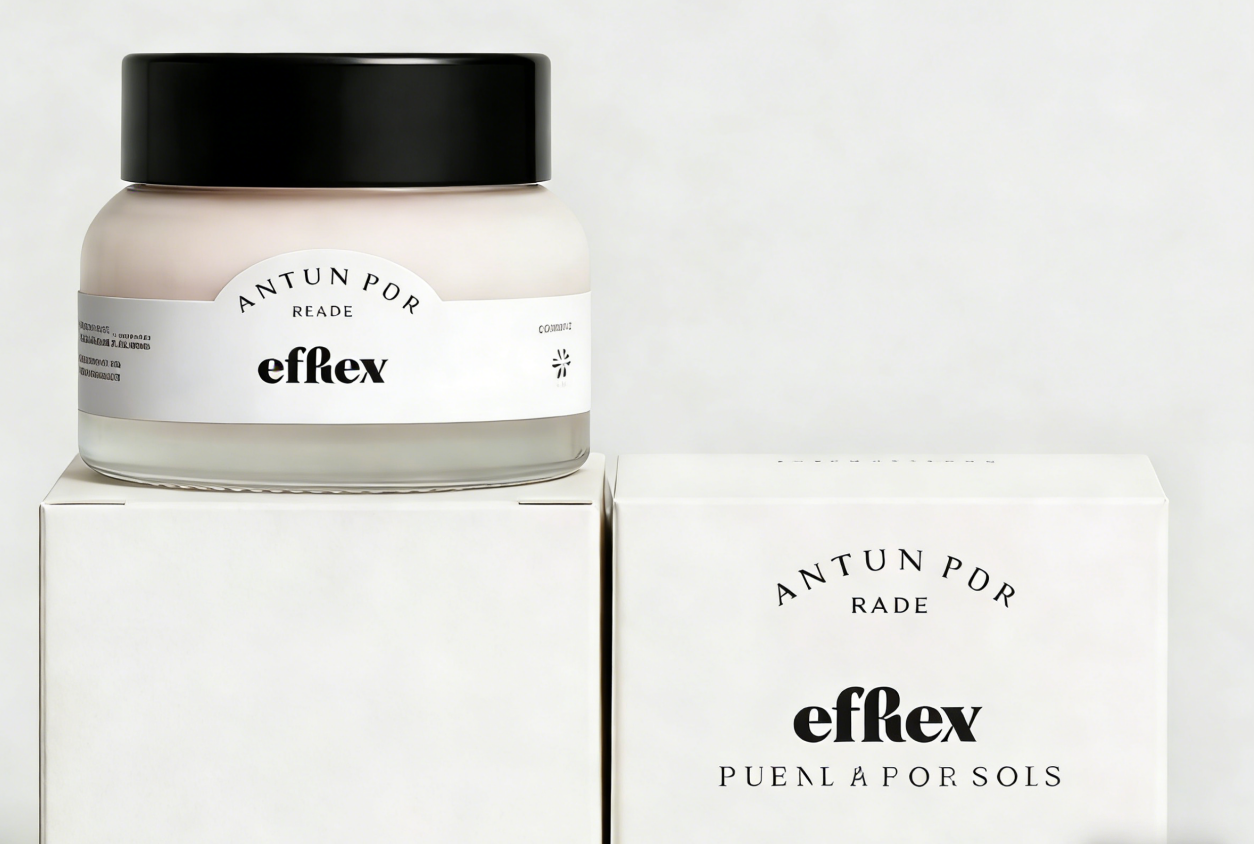
Walk into any cosmetics store or browse your favorite beauty brand's website, and you'll notice a dominant trend: whether it's a high-end serum in a glass bottle or a minimalist lipstick in a plastic tube, more and more products are featuring matte labels. These non-reflective, soft-to-the-touch labels have become a hallmark of quality and sophistication.
But why this widespread preference for matte over glossy? The choice is far from arbitrary. It's a strategic decision rooted in psychology, user experience, and practical functionality. This guide will explore everything you need to know about cosmetic matte labels, from their core characteristics to how to choose the perfect one for your brand.
A matte label is essentially any label finished with a non-glossy surface. Unlike glossy labels that reflect light directly, creating shine and glare, matte labels diffuse light, resulting in a soft, flat, and velvety appearance.
This effect is achieved through several key manufacturing processes:
Matte Film Substrates: The label material itself (like polypropylene or polyester) is manufactured with a matte finish.
Matte Coating/Lamination: A specific matte coating or laminate is applied to the surface of a standard label material after printing.
Surface Treatment: Techniques like embossing or using textured cylinders during production can also create a matte, dimensional feel.
To understand their appeal, it's essential to look at the inherent properties of matte labels:
Optical Properties (Diffuse Reflection): This is the defining feature. Light scatters off the surface, eliminating glare and making the label easy to read from any angle, even under harsh store lighting.
Tactile Properties: Matte finishes often provide a distinct, pleasant texture. They can feel smooth, silky, or even have a soft, "skin-like" (soft-touch) quality that invites touch.
Physical Properties: A quality matte finish is typically more resistant to showing fine scratches (abrasion resistance) and, most importantly, is excellent at hiding fingerprints and smudges.
These core characteristics translate into specific advantages within the demanding world of cosmetic packaging:
Skin-Friendliness: The soft, warm feel of a matte label aligns perfectly with the "gentle," "nurturing," and "luxurious" experience that skincare and beauty products promise. It feels pleasant to hold.
Stain Resistance: Cosmetics are messy. Matte labels are highly effective at resisting stains from lotions, oils, foundations, and fingerprints, maintaining a pristine look throughout the product's life.
Color Expression: A matte background absorbs light, allowing printed colors—especially brand-specific hues, deep blacks, and metallic foils—to appear richer, more vibrant, and truer to tone without distracting glare.
Environmental Adaptability: Whether in a steamy bathroom or a brightly lit retail counter subject to constant touching, matte labels are designed to withstand humidity and high-frequency contact without degrading visually.
Matte labels are more than just information carriers; they are active contributors to the product's overall perception.
Visual Reshaping: They are instrumental in creating a modern, minimalist, and undeniably premium brand image. The absence of shine signals understated elegance and confidence.
Tactile Communication: In an era where unboxing and physical experience are paramount, the unique feel of a matte label subconsciously communicates quality and care, building a stronger connection with the user.
Scenario Adaptation: They are the perfect solution for products that are handled frequently—both by consumers at home and by countless shoppers testing products in stores.
Choosing a matte label provides a range of concrete benefits for your brand:
Aesthetic Advantages: Instantly elevates the perceived value, creating a "quiet luxury" aesthetic that stands out on crowded shelves.
Functional Advantages: Exceptional resistance to daily wear and tear—fingerprints, smudges, and minor scuffs—ensures the packaging looks new for longer.
Marketing Advantages: The look and feel reinforce key product associations like "professional," "pure," "clean," and "high-performance."
Experiential Advantages: Enhances the user's sensory journey, making the simple act of holding and using the product more satisfying.
The benefits extend beyond the end-user to every stage of the product's commercial lifecycle, from production to point-of-sale.
Filling & Production End: During manufacturing, accidental splashes of creams or oils are common. Matte labels can be easily wiped clean without leaving a shiny, stained mark.
Warehousing & Logistics End: Packed tightly in boxes for shipping, products rub against each other. The superior scratch resistance of matte finishes prevents scuff marks that would be glaringly obvious on gloss.
Display End: Under the intense, continuous heat of retail spotlights, matte labels are less prone to discoloration or yellowing over time compared to some glossy materials.
Retail End: This is perhaps the biggest advantage. Countless shoppers will pick up, inspect, and put back a product. Matte labels resist the accumulation of hand oils and marks, keeping the packaging looking fresh for the ultimate buyer.
While versatile, matte labels are particularly impactful for certain product categories:
Skincare Categories: Serums, anti-aging creams, and high-end moisturizers where the focus is on science, purity, and luxury.
Makeup Categories: Foundations, powders, matte lipsticks, and brow products where the "matte finish" of the packaging visually echoes the promised "matte effect" of the makeup itself.
Men's and Sensitive Skin Lines: Products targeting men or sensitive skin often use clinical, clean, and no-nonsense packaging. Matte labels perfectly convey this message of rationality, gentleness, and professionalism.
Selecting the perfect matte label requires considering several key factors tailored to your specific product.
Choose by Product Material: The label must adhere perfectly to the container. Consider the surface energy and shape:
Glass Bottles: Excellent for almost any matte material, especially soft-touch finishes for a luxurious feel.
Plastic Tubes (Squeezable): Require a more flexible, conformable matte film that won't wrinkle or lift.
Paper Packaging (Boxes): Uncoated or matte-laminated paper stocks work beautifully.
Choose by Brand Positioning:
Mass-Market: A standard matte paper or film offers a clean upgrade from gloss.
Mid-Range: A quality matte polypropylene (PP) film with a smooth finish adds durability and style.
Premium/Luxury: Invest in soft-touch laminates or textured matte films, often combined with elegant hot foil stamping.
Choose by Usage Scenario: Consider if the product will be a counter tester. If so, prioritize ultra-durable, stain-resistant synthetic matte materials.
Choose by Process Combination: Matte is an excellent canvas for other effects. Hot foil stamping (gold, silver, rose gold) and spot UV (glossy) stand out dramatically against a matte background.
Choose by Budget: Evaluate the long-term value. A slightly higher investment in a durable, premium matte label can prevent returns due to damaged packaging and reinforce a high-quality brand image, offering significant ROI.
The preference for matte labels in the cosmetics industry is no accident. It's a powerful convergence of aesthetics, functionality, and commercial sense. A matte label doesn't just identify a product; it tells a story of quality, invites touch, and withstands the rigors of its journey from factory to bathroom cabinet.
As sustainability becomes even more critical, the future will see a rise in eco-friendly matte materials, such as recycled-content films and papers with compostable matte coatings, combining the desired aesthetic with environmental responsibility.
Creating the perfect matte label requires expertise and the right manufacturing partner. At StickerForgeco, we specialize in bringing your cosmetic packaging visions to life.
Professional Customization: We offer full-service customization for all label types, including premium cosmetic matte labels, crystal-clear transparent labels, elegant foil-stamped labels, and more.
Process Support: From selecting the ideal matte film for your specific bottle material to advising on the best surface treatment for durability, our team provides end-to-end technical expertise.
Quality Assurance: We cater to everyone, from established brands requiring large volumes to indie beauty entrepreneurs needing flexible, small-batch runs with the same high-quality standards. We are committed to delivering labels that elevate your brand.
Ready to elevate your cosmetic packaging with the perfect matte label?
Q1: Which is more durable, matte labels or glossy labels?
A: In terms of scratch and scuff resistance, a quality laminated matte label often outperforms gloss, as scratches are less visible. However, durability heavily depends on the specific material chosen. For high-wear items, we recommend durable synthetic matte films.
Q2: Are matte labels prone to fading?
A: High-quality matte labels printed with fade-resistant inks and protected by UV-resistant laminates are designed to resist fading. The key is to choose a reputable manufacturer that uses quality materials, especially for products exposed to direct sunlight.
Q3: Is small-batch customization of cosmetic matte labels feasible?
A: Absolutely. At StickerForgeco, we understand that many cosmetic brands start with limited runs for product launches or testing. We offer flexible, low minimum order quantities (MOQs) without compromising on the quality or range of finishing options.
Q4: Can matte labels be recycled? Do they align with environmental trends?
A: Recyclability depends on the label material and how it interacts with the bottle. Paper-based matte labels are often recyclable with the paper stream. For plastic bottles, using a recyclable polypropylene (PP) or polyethylene (PE) matte film that matches the bottle material is the best practice to support a circular economy.
Q5: How can I ensure strong adhesion of a matte label on my specific bottle?
A: Adhesion is critical. We recommend conducting a short adhesion test. Send us your empty bottles, and we can produce a small sample batch of your chosen matte label to test for peel, tack, and resistance to humidity or the product itself, ensuring a perfect fit before full production.





 +8618128095554
 sales@stickerforgeco.com
 +8618128095554