
Get bulk orders for 30% less than local suppliers, plus free samples.
Get bulk orders for 30% less than local suppliers, plus free samples.
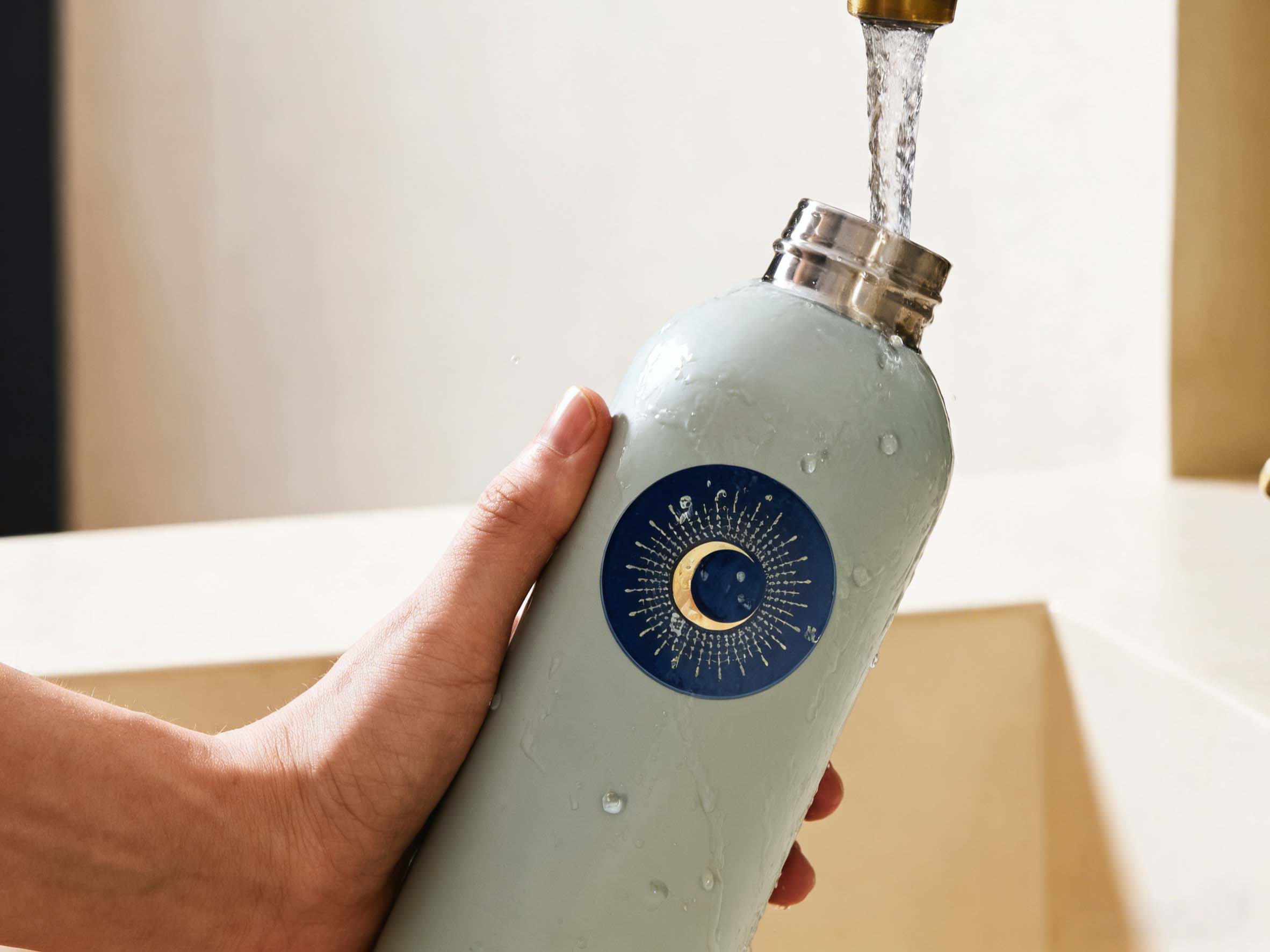
In the landscape of product labeling and identification, waterproof matte labels have emerged as a versatile and indispensable solution. Unlike standard paper labels that easily smudge, tear, or peel when exposed to moisture, these labels combine the protective power of water-resistant materials with the sophisticated, non-reflective finish of matte textures. This article aims to comprehensively explore the diverse applications where waterproof matte labels shine, providing valuable insights for businesses, manufacturers, and professionals seeking reliable identification solutions.
A waterproof matte label is a specialized identification tag constructed from water-resistant or waterproof synthetic materials (such as PP, PE, or synthetic paper) and finished with a matte coating. It is designed to withstand exposure to liquids, humidity, and environmental elements while delivering a smooth, non-glossy surface that resists fingerprints and provides clear, legible information. Beyond basic protection, these labels boast unique product traits that enhance their adaptability and practicality across diverse scenarios.
In addition to their fundamental advantages, waterproof matte labels feature distinct product characteristics that set them apart and expand their usability:
Superior Water Resistance: It can endure splashes, submersion, and high humidity without losing adhesion or smudging. Most variants are not only water-resistant but also moisture-proof, preventing water seepage into the substrate and ensuring long-term integrity even in damp environments like bathrooms or cold storage.
Matte Finish: Offers a sleek, non-reflective surface that enhances readability in bright light and provides a premium, understated aesthetic. The matte coating is typically scratch-resistant and non-sticky, avoiding dust accumulation and maintaining a clean appearance even after long-term use.
Durability: Resists abrasions, oils, and certain chemicals, ensuring the label remains intact and legible over an extended period. The synthetic substrate is tear-proof and wrinkle-resistant, unlike paper labels that easily deform or break when handled roughly.
Strong Adhesion: Equipped with high-quality pressure-sensitive adhesive, these labels adhere firmly to various surfaces—including glass, plastic, metal, and wood—without peeling off easily, even in extreme temperatures or after repeated contact with water.
Print Compatibility: Compatible with various printing technologies (digital, offset, screen printing), allowing for high-definition patterns, vivid colors, and clear text. The ink adheres tightly to the matte surface, resisting fading and smudging even when exposed to water or cleaning agents.
Flexibility: Most waterproof matte labels are flexible and conformable, making them suitable for curved, irregular, or uneven surfaces (such as bottle necks, cylindrical containers, or curved electronic casings) without wrinkling or lifting.
Environmental Friendliness: Many high-quality options use eco-friendly, non-toxic materials and inks, complying with global environmental standards and suitable for food, medical, and children’s product labeling.
The critical distinction lies in their composition and performance. Standard labels, typically made of paper, are vulnerable to water damage, fading, and physical wear. In contrast, waterproof matte labels leverage synthetic substrates and specialized inks to create a robust barrier. Their matte surface also eliminates glare, a common issue with glossy labels in retail or industrial settings, making them superior for both functional and visual requirements. Additionally, their strong adhesion, tear resistance, and chemical resistance address the key pain points of standard labels, making them a more reliable choice for long-term or harsh-environment use.
The production process involves selecting a durable, waterproof base material (like synthetic paper or PP film) and applying a precision matte coating during or after the printing phase. High-quality, oil-resistant ink is then used to ensure the design and text remain crisp, even after contact with water or chemicals. The manufacturing process also incorporates adhesion enhancement and durability testing, ensuring that each label meets the core product characteristics of waterproofness, matte finish, and long-lasting performance.
Daily Life & Household
Household Items: Ideal for organizing bathroom and kitchen containers, such as shampoo bottles, food storage canisters, and cleaning product containers. They resist steam, spills, and frequent handling—their moisture-proof and oil-resistant traits prevent damage from kitchen grease or bathroom steam, while their non-sticky matte surface stays clean.
Electronics & Appliances: Perfect for labeling the exterior of washing machines, dishwashers, and small kitchen appliances. The matte finish resists fingerprints and is easy to clean, and their strong adhesion ensures they stay in place even with frequent wiping or exposure to water splashes.
Commercial & Retail
Food & Beverage: Essential for refrigerated or frozen food products, beverages, and condiments. They withstand condensation, cold temperatures, and occasional washing. The matte finish also adds a premium look to high-end skincare and cosmetic lines—their print compatibility ensures brand logos and product information remain vivid, while their food-safe materials meet industry standards.
Retail & Personal Care: Enhances product packaging for lotions, perfumes, and beauty accessories, aligning with a clean, modern brand aesthetic while ensuring durability in humid bathroom environments. Their flexibility allows them to fit curved bottle surfaces, and their scratch-resistant matte finish maintains the product’s premium appearance.
Industrial & Manufacturing
Electronics & Equipment: Used for labeling internal and external components of servers, medical devices, and control panels. The non-reflective surface is crucial for readability in well-lit industrial environments, and their chemical resistance protects against harsh cleaning agents or industrial fluids.
Mechanical Tools & Machinery: Critical for identifying parts, serial numbers, and safety instructions on heavy machinery, tools, and equipment used in workshops and factories. They resist oil, grease, dust, and harsh cleaning agents—their tear-proof and abrasion-resistant traits ensure labels remain intact even in high-wear industrial settings.
Outdoor Gear & Infrastructure: Suitable for lighting fixtures, communication equipment, and gardening tools. They provide UV resistance to prevent fading and degradation from prolonged sun exposure, and their waterproof and weather-resistant characteristics withstand rain, snow, and extreme temperatures.
Specialized Environments
Medical & Healthcare: Meets stringent requirements for labeling medical instruments, surgical tools, and pharmaceutical containers. They resist sterilization processes, chemicals, and frequent cleaning—their eco-friendly, non-toxic materials ensure compliance with medical safety standards, while their strong adhesion stays secure even after repeated sterilization.
Food Service & Catering: Used for labeling takeout containers, storage bins, and kitchenware. They withstand oil, heat, and frequent washing, ensuring order and hygiene in commercial kitchens—their oil-resistant and water-proof traits prevent label smudging from food spills, and their durability handles frequent handling.
Cold Chain Logistics: Essential for tracking and identifying products during shipping and storage in cold storage facilities or delivery trucks. They maintain integrity despite extreme temperature fluctuations and condensation—their flexible substrate resists cracking in low temperatures, and their moisture-proof design prevents label damage from condensation.
The choice between the two hinges on the environment and functional requirements, with the unique product characteristics of waterproof matte labels determining their suitability for harsh or high-demand scenarios:
-Standard Labels are suitable for dry, indoor environments with minimal handling. They are cost-effective for short-term use, simple product packaging, and temporary signage where water resistance, durability, or print longevity is not a concern.- Waterproof Matte Labels are indispensable for wet, outdoor, or high-wear environments. They are necessary for products exposed to water, oil, extreme temperatures, or frequent cleaning, and for applications where a clean, professional appearance is required—their core traits (waterproofness, durability, strong adhesion, etc.) address the limitations of standard labels.
Selecting the optimal label requires a systematic approach to ensure it meets the specific demands of its application, with consideration of the product’s core characteristics:
Moisture Level: For frequent submersion or heavy rain, opt for labels with high IP ratings (Ingress Protection) and thick synthetic substrates—prioritize labels with enhanced moisture-proof traits. For occasional spills, standard waterproof variants suffice.
Exposure to Chemicals: If the label will contact oils, solvents, or cleaning agents, choose labels formulated with chemical-resistant inks and adhesives, leveraging their chemical resistance characteristic.
Temperature Extremes: For cold storage or outdoor heat, select labels with a flexible adhesive and material that can withstand the temperature range without cracking or peeling—utilize their flexibility and durability.
Short-Term Use ( < 6 months): Choose a cost-effective, basic waterproof matte label for temporary applications like event badges or shipping cartons—focus on core waterproofness and adhesion.
Long-Term Use ( > 1 year): Invest in heavy-duty labels with robust synthetic materials, strong permanent adhesives, and UV inhibitors to ensure longevity and clarity—prioritize durability, UV resistance, and print retention.
Premium Branding: For luxury products or high-end retail, select labels with a ultra-smooth, fine-matte finish to convey sophistication—leverage their matte aesthetic trait.
Functional Clarity: For industrial or safety labels, prioritize high contrast printing and legible fonts over elaborate aesthetics—utilize their print compatibility to ensure clear, readable information.
Surface Type: Ensure the adhesive is compatible with the material it will be applied to (e.g., glass, plastic, metal, wood)—rely on their strong adhesion characteristic.
Size and Shape: Customize dimensions and contours to fit the product perfectly, avoiding excess adhesive or poor coverage—utilize their flexibility to adapt to different shapes.
Regulatory Compliance: For food, medical, or pharmaceutical use, ensure materials are food-safe, non-toxic, and meet industry-specific standards—choose labels with eco-friendly, non-toxic traits.
Pro Tip: Always request and test sample labels in your actual operating environment to validate performance before committing to a bulk order, ensuring all product characteristics align with your needs.
It is a common misconception that matte finishes are purely for looks. In reality, the matte texture offers significant functional benefits, which complement the other product characteristics of waterproof matte labels:
- Glare Reduction: Eliminates harsh reflections, making text and graphics instantly readable in direct sunlight, bright store lights, or industrial lighting—enhancing the label’s readability, a key functional trait. - Fingerprint Resistance: The non-porous surface repels fingerprints and smudges, maintaining a clean, professional appearance on frequently handled items—aligning with the label’s non-sticky, easy-to-clean characteristic.- Scuff Resistance: The textured surface is more resistant to scratches and abrasions compared to glossy surfaces, protecting the underlying print and ensuring information remains clear—reinforcing the label’s durability.
When seeking a reliable partner for your waterproof matte labeling needs, StickerForgeco stands out for several compelling reasons, especially in delivering the core product characteristics that matter most:
- Superior Material Quality: We utilize only high-grade, durable synthetic substrates and advanced matte coatings, ensuring our labels excel in the most challenging environments—delivering exceptional waterproofness, durability, and a premium matte finish. - Customization Expertise: Our team specializes in creating tailored solutions, from size and shape to full-color printing and branding integration, perfectly aligning with your product and vision—leveraging the label’s print compatibility and flexibility to meet custom needs. - Stringent Quality Control: Every label undergoes rigorous testing for water resistance, adhesion, durability, and print retention to guarantee consistent performance and customer satisfaction—ensuring all core product characteristics are met.- Reliable Service: We offer fast turnaround times, competitive pricing, and dedicated customer support to guide you through every step of the selection and ordering process—helping you choose labels that match your specific requirements for product traits.
Waterproof matte labels represent a fusion of durability, functionality, and modern design, with their unique product characteristics—waterproofness, durability, strong adhesion, print compatibility, flexibility, and premium matte finish—making them adaptable to diverse scenarios. Their ability to perform flawlessly in wet, industrial, and outdoor settings while elevating the visual appeal of products makes them a versatile choice across countless industries. By understanding your specific application and following the selection guide, you can confidently choose the perfect waterproof matte label. For businesses seeking quality and customization, Custom Panda is the ideal partner to bring your labeling needs to life, delivering labels that embody all the essential product traits.
Q1: What is the typical lifespan of waterproof matte labels outdoors?
A1: The lifespan varies based on the material and UV resistance. Standard outdoor labels last 1-3 years, while heavy-duty, UV-inhibited variants can last 3-5 years—their durability and UV resistance traits directly impact lifespan.
Q2: Can these labels be applied to curved surfaces?
A2: Yes. Custom Panda offers flexible materials and specialized adhesives that conform to curved, cylindrical, and irregular surfaces, ensuring secure adhesion—leveraging the label’s flexibility characteristic.
Q3: How can I verify the waterproof performance?
A3: A simple test involves submerging a sample in room-temperature water for 24-48 hours. If there is no peeling, softening, or smudging, it offers basic water resistance. For high-pressure washing, request a product with a higher IP rating—testing the core waterproof trait.
Q4: What is the typical production lead time?
A4: Standard orders have a lead time of 3-7 days. Larger orders or complex custom designs may take 7-10 days. Expedited services are available for urgent requirements.
Q5: Are they safe for food and medical applications?
A5: Absolutely. Custom Panda provides food-safe and medical-grade label materials that are non-toxic, chemical-resistant, and compliant with relevant industry safety standards—incorporating the label’s eco-friendly, non-toxic product trait.



 +8618128095554
 sales@stickerforgeco.com
 +8618128095554