Get bulk orders for 30% less than local suppliers, plus free samples.
Get bulk orders for 30% less than local suppliers, plus free samples.
UV DTF (Ultraviolet Digital Transfer Film) image transfer labels, also known as UV transfer stickers, UV 3D transfer labels, or cold clear transfer labels, represent a significant evolution in custom sticker and label technology. Unlike traditional stickers that are printed onto a vinyl or paper material with an adhesive backing, a UV DTF label is a multi-layered film transfer system.
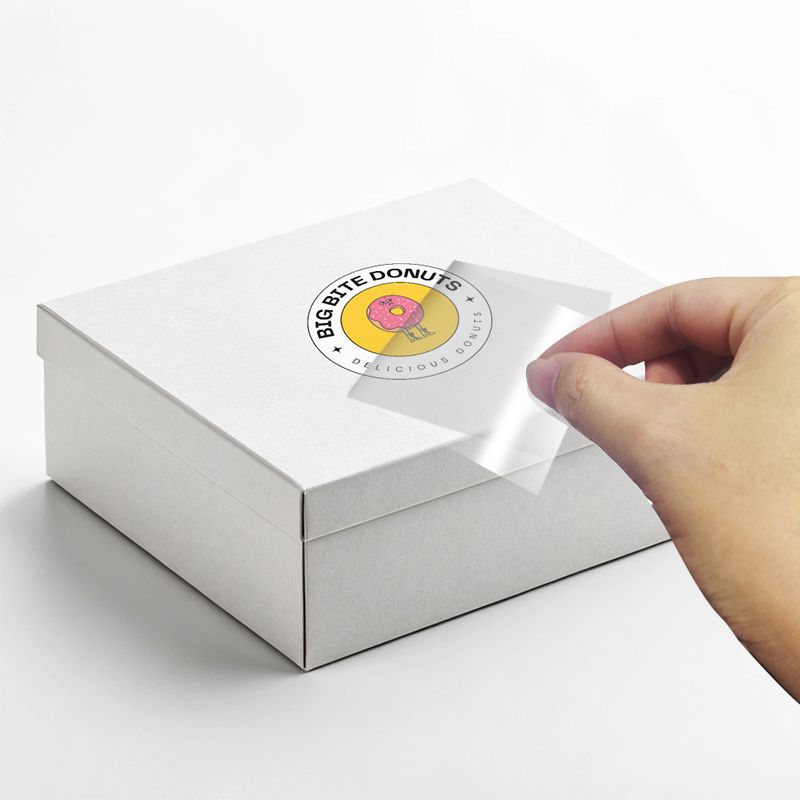
The fundamental composition of a UV DTF label includes three key layers:
The Bottom Layer (Backing Film): A PET film that protects the adhesive until application.
The Middle Layer (The Label Itself): The actual image, printed with UV-curable inks and often coated with a clear UV varnish.
The Top Layer (Transfer Film): A clear, tacky film that holds the printed image in place, allowing you to position it perfectly before releasing.
The most defining characteristic that separates UV DTF labels from traditional stickers or decals is the “no-label look.” A standard vinyl sticker has a visible outline or a transparent film edge that can trap dirt or peel over time. In contrast, a UV DTF transfer merges seamlessly into the surface of the object. When applied correctly, it has no background, no label edge, and resembles high-end silk-screen printing or even direct printing. This makes it nearly invisible, leaving only the vibrant graphic behind.
The working principle of UV DTF labels is a fascinating combination of digital printing and cold transfer technology. It bypasses the need for traditional screen setup, making custom short-run orders highly economical.
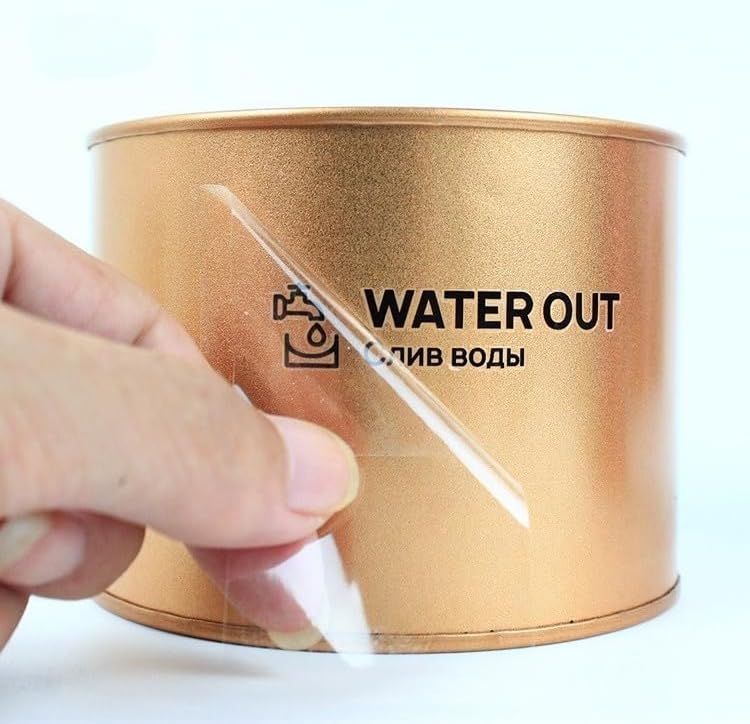
Here is the step-by-step process:
UV Digital Printing: Instead of using solvent or eco-solvent inks on vinyl, the design is printed in reverse onto a special PET film using UV-LED lamps. The UV light instantly cures (hardens) the ink and the clear UV varnish as they are laid down. This instantaneous curing is what creates the slight 3D embossed effect and the scratch-resistant, glossy finish.
AB Film Layering: The printed adhesive layer is then laminated with a clear transfer film (the “A” film). The adhesive is pre-coated on the image, so no separate adhesive application is needed.
The Transfer Process: To apply the label, you peel the finished structure (transfer film + cured ink + adhesive) away from the backing PET film. You then press this onto any clean, smooth surface. The adhesive bonds instantly to the new substrate.
Peeling: Finally, you gently peel away the clear top transfer film. Because the UV ink and varnish are fully cured, they release from the transfer film and remain perfectly adhered to your object. What remains is just the image – no carrier film, no edges.
UV DTF labels are packed with technical features that make them superior for many applications:
No Label Look & No Background: The most celebrated feature. The graphic appears to float on the surface, ideal for clear bottles, glass, or premium packaging where a sticker edge would look cheap.
Full-Color Vibrancy: Because UV printers use a white ink layer (unlike standard transparent decals), designs remain opaque and vibrant even on dark or transparent surfaces like colored metal or clear acrylic.
High Gloss & 3D Texture: The UV varnish creates a high-gloss, slightly raised (embossed) texture. This adds a tactile, “wet look” feel that catches the light, simulating a screen-printed enamel effect.
Durability: The UV-cured polymer is waterproof, oil-proof, scratch-resistant, UV-resistant (won’t yellow in the sun), and fade-proof. This makes them suitable for products exposed to moisture or handling.
No White Ink Limitations: Unlike standard DTF for garments, UV DTF does not require complicated white ink management. The UV printer lays down white, color, and varnish in one clean pass, ensuring crisp edges.
Instant Curing: Since the UV lamp cures the ink instantly, there is no drying time. This allows for immediate weeding and transferring, speeding up production dramatically.
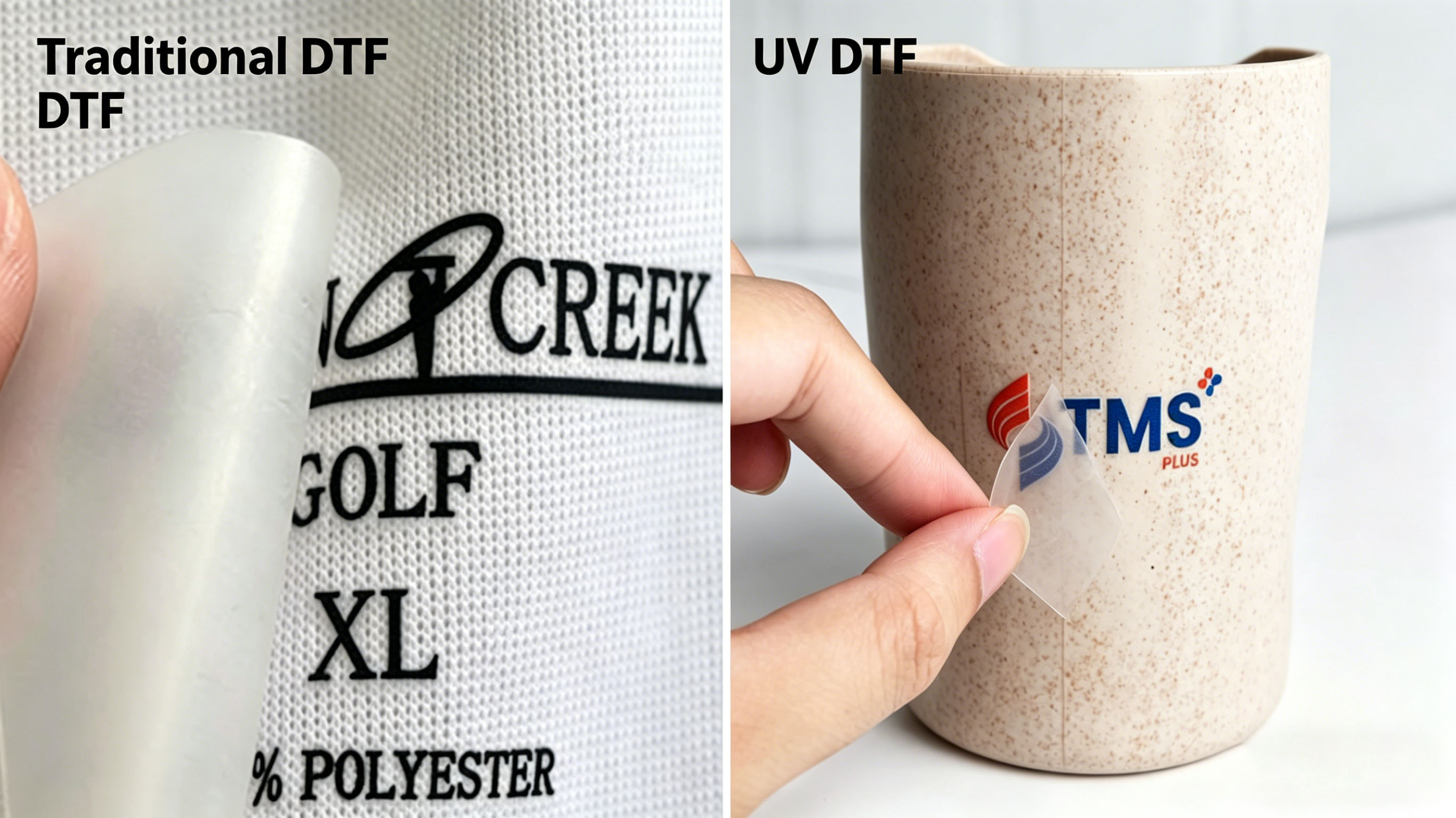
This is a common source of confusion. While both use film transfer, they serve entirely different markets.
| Feature | UV DTF (for hard surfaces) | Traditional DTF (for fabrics) |
|---|---|---|
| Primary Substrate | Hard, smooth, non-porous surfaces (glass, metal, plastic, acrylic, wood, ceramic). | Flexible, soft, porous surfaces (cotton, polyester, blends, leather). |
| Final Texture | High gloss, slightly raised, hard, plastic-like feel with a 3D “embossed” look. | Soft, matte or slightly glossy, thin film that fuses into fabric fibers. |
| Adhesion Method | Cold peel pressure-sensitive adhesive. Does not require heat for bonding (though heat can aid). | Requires high heat and pressure (heat press) to melt the adhesive powder into the fabric. |
| Durability | Highly scratch, water, and UV resistant. Ideal for items that are washed with a cloth, not laundry. | Machine washable. Fuses into fabric so it does not crack or peel easily. |
| Look | “No-label” glass-like appearance. Often has a clear, sharp edge. | Soft-hand feel with no visible edge if applied correctly, but is clearly a film on the fabric. |
In summary: Use UV DTF for rigid items like water bottles, phone cases, and cosmetic jars. Use traditional DTF for T-shirts, hoodies, and canvas bags.
Compared to traditional screen printing, vinyl stickers, and pad printing, UV DTF offers a unique set of advantages:
Unlimited Colors & No Set-Up Costs: Screen printing requires a screen per color (high setup cost). UV DTF is digital – a full-color photo costs the same as a two-color logo. No minimum orders.
Adhesion to Difficult Surfaces: It works on surfaces where vinyl struggles, such as coated metals, polypropylene, low-surface-energy plastics, and even powder-coated tumblers.
Speed & Efficiency: From file to finished, applied label in minutes. No drying racks, no die-cutting (for simple shapes), no weeding.
Extreme Detail & Small Text: Because UV printheads can lay down very small droplets (picoliters), UV DTF can reproduce tiny text (2pt) and intricate gradients that screen printing cannot achieve.
Economic for Short Runs: Vinyl stickers have cheap unit costs but expensive die-cutting tooling. UV DTF has no tooling costs, making 10 or 10,000 labels equally economical.
No “Sticker Edge” Dirt Buildup: Vinyl stickers often lift at the edge, trapping dirt. The “no-label look” of UV DTF lies flush with the surface, preventing edge-lift and dirt collection.
Thanks to their durability and invisible appearance, UV DTF labels are revolutionizing product packaging and branding:
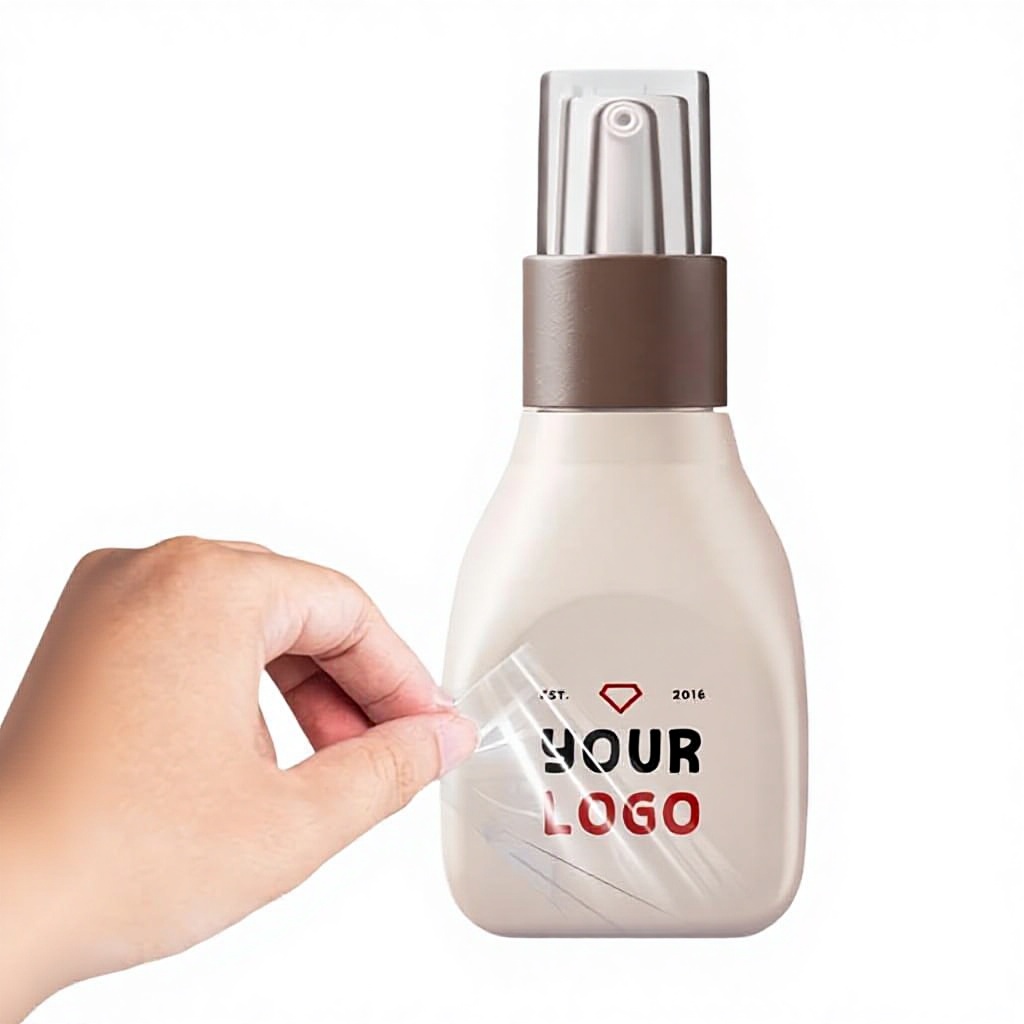
Cosmetics & Skincare: On glass serum bottles, lipstick cases, and lotion pumps. The high-gloss 3D effect conveys luxury.
Food & Beverage: On wine bottles, craft beer cans, olive oil tins, and premium chocolate boxes. The labels are waterproof for condensation and ice buckets.
Electronics: On phone cases, laptop lids, mouse surfaces, and gaming controllers. The scratch resistance is key here.
Promotional Products: Customizing insulated tumblers, water bottles, and metal pens.
Retail & Point-of-Sale: Window clings (no visible adhesive), acrylic signage, and price tag holders where a clean look is required.
Craft & Hobby: For scrapbooking, model trains, customizing lighters, or adding decals to RC cars.
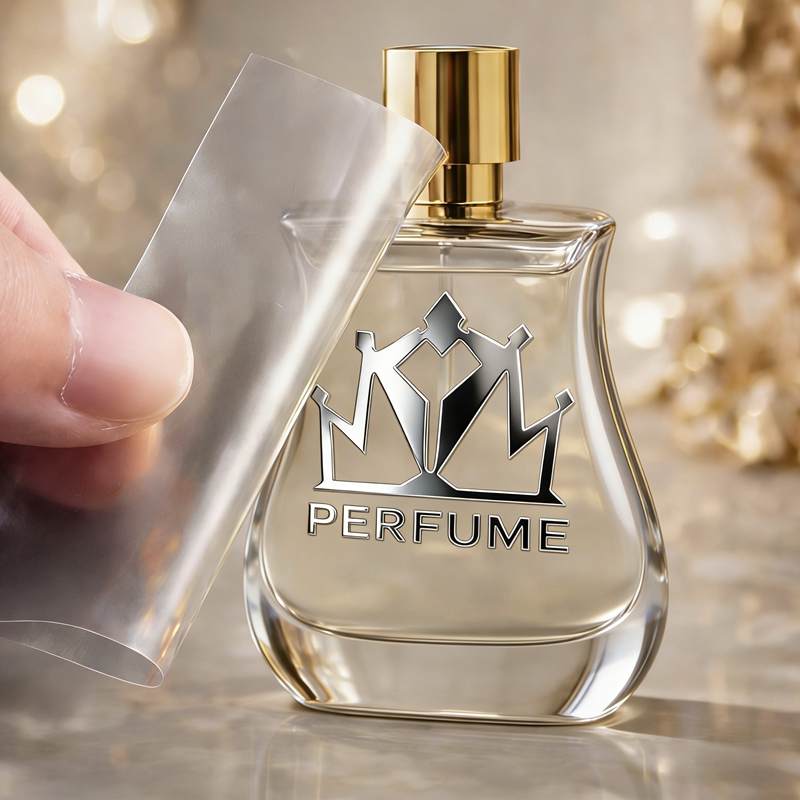
Applying these labels is simple but requires precision for the best “no-label” result. Follow this step-by-step guide:
Step 1: Prepare the Surface
Clean the surface thoroughly. Use isopropyl alcohol (70% or higher) to remove oils, dust, and fingerprints. The surface must be completely dry and smooth.
Step 2: Peel the Label from the Backing
Locate the corner of the actual label (middle layer). Carefully peel it off the bottom PET backing film. The label should come up attached to the clear top transfer film.
Step 3: Position the Label
Holding the clear transfer film, hover the label over your object. Because the film is transparent, you can align complex graphics perfectly. Gently lay the label onto the surface.
Step 4: Apply Pressure
Using a squeegee, credit card, or your thumb, apply firm, even pressure over the entire design. Start from the center and push outwards to eliminate any air bubbles or creases. For curved surfaces, use a soft felt squeegee.
Step 5: Peel the Transfer Film
This is the critical step. Lift a corner of the clear top film. Peel it back slowly at a sharp angle (close to 180 degrees). If the design is very delicate or has tiny text, wait 2-4 hours before peeling to allow the adhesive to fully bond. If the design lifts with the film, apply more pressure and try again.
At StickerForgeco, we focus on high-quality UV DTF image transfer labels and stickers, as well as various other types of labels and stickers for businesses across the globe. Our expertise extends to virtually every industry that requires durable, professional, and visually stunning labeling solutions.
We serve a diverse range of sectors, including:
Automotive & Transportation
Industrial Chemicals
Electronics
Durable Goods
And many more industrial and consumer product categories.
Why choose StickerForgeco for your UV DTF labels?
We have built our service model around three core promises that directly address the needs of modern brands:
1. No Minimum Order (Digital Printing)
Because UV DTF is a digital-first technology, we do not require large production runs. Whether you need 50 labels for a product prototype or 5,000 for a full launch, we treat every order with the same high-quality digital workflow. There are no minimum quantity barriers. This is ideal for startups, seasonal products, and test marketing.
2. Factory Direct Pricing (Save 30%)
By manufacturing our own UV DTF transfers in-house, we eliminate middlemen and wholesale markups. We pass those savings directly to you. On average, our customers save 30% compared to broker-based label suppliers – without any compromise on material quality or print resolution.
3. 9-Day Global Delivery
We know that speed to market matters. From the moment you approve your artwork, our streamlined production and logistics network ensures that your custom UV DTF labels are delivered to your door – anywhere in the world – within 9 business days. Expedited options are also available for urgent projects.
How to get started with StickerForgeco:
Simply send us your artwork (AI, PDF, PNG, or PSD), tell us your desired quantity and size, and we will provide a free digital proof within 24 hours. Once approved, we move directly to UV digital printing, lamination, slitting, and quality inspection – all under one roof.
If you are looking for an industrial or commercial label manufacturer that combines advanced UV DTF technology with flexible, customer-first service, contact StickerForgeco today. We are ready to bring your brand’s vision to life – with no edges, no minimums, and no delays.
Q1: Can UV DTF labels be used outdoors?
A: Yes. Because they are UV-cured and have a protective UV varnish, they are highly resistant to sunlight (UV rays), rain, and temperature changes. They will not yellow or crack for several years outdoors.
Q2: Do I need a heat press to apply them?
A: No. UV DTF labels are “cold peel.” They use a pressure-sensitive adhesive. Heat is not required, though a small amount (150°F / 65°C) can sometimes help the adhesive flow on curved items, but it is not necessary.
Q3: Will they stick to textured surfaces like powder-coated tumblers?
A: Yes – within reason. UV DTF labels are designed for smooth to lightly textured surfaces. For heavy textures (like a golf ball), traditional vinyl stickers may work better. However, on common items like powder-coated mugs or fine leather, they adhere excellently with firm pressure.
Q4: How long do UV DTF labels last on a water bottle?
A: With normal indoor/outdoor use (not dishwasher), expect 2-5 years of life. The UV varnish provides excellent resistance to scratching and moisture. For best longevity, hand wash items rather than using a dishwasher.
Q5: Can you print very small text or intricate details?
A: Absolutely. UV DTF printing is high-resolution. Text as small as 2mm (approximately 6pt) and complex gradients are reproducible. The “no-label look” actually makes tiny details more readable because there is no distracting background film.


 +8618128095554
 sales@stickerforgeco.com
 +8618128095554