Things You Need to Know Before Customizing Matte Labels
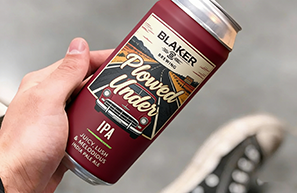
In the competitive world of product branding and packaging, every detail matters—and matte labels have emerged as a timeless, sophisticated choice for businesses across industries. Unlike glossy labels that rely on shine to attract attention, matte labels exude a subtle, premium elegance that resonates with modern consumers seeking understated luxury.
However, customizing matte labels is not a one-size-fits-all process; it requires careful consideration of materials, specifications, manufacturers, and potential pitfalls to ensure the final product aligns with your brand vision and functional needs. Rushing into customization without proper research can lead to costly mistakes—from mismatched materials that fail to withstand your product’s environment to color discrepancies that dilute your brand identity.
This guide dives deep into the essential aspects of matte label customization, equipping you with the knowledge to make informed decisions and create labels that elevate your product and stand the test of time.
What Is a Matte Label?
A matte label is a type of adhesive label characterized by its non-reflective, low-gloss surface finish, which diffuses light rather than reflecting it—creating a smooth, velvety texture that feels premium to the touch. Unlike glossy labels, which have a shiny, reflective coating, matte labels have a muted appearance that minimizes glare, making text and graphics easier to read in bright light or direct sunlight.
Matte labels are typically made by applying amatte coating (such as a UV matte varnish or a matte laminate) to a base material, which can range from paper to synthetic substrates like polyester or polypropylene.
The key distinction between matte and other label finishes lies in their aesthetic and functional properties: matte labels prioritize subtlety and readability, making them ideal for brands that want to convey sophistication, authenticity, or a minimalist aesthetic. It’s important to note that “matte” refers to thefinish, not the material—so matte labels can be crafted from a variety of substrates, each with its own unique durability and performance characteristics.
Features of High-Quality Matte Labels
High-quality matte labels are defined by a set of core features that distinguish them from inferior alternatives, ensuring they look professional, perform well, and maintain their integrity over time. Here are the key traits to look for:
• Consistent matte finish: Free of streaks, smudges, or uneven gloss levels that can detract from its appearance; the surface should feel smooth and uniform.
• Sufficient opacity: Prevents the underlying surface (such as a colored product container) from showing through, ensuring text and graphics remain crisp and vibrant.
• Durability: Resists fading from UV exposure, smudging from water or oil, and peeling or tearing from handling—tailored to your specific use case.
• Strong adhesive: Adheres securely to your product’s surface (glass, plastic, metal, or paper) without leaving residue when removed (if needed).
• Sharp, clean printing: No blurring, bleeding, or color distortion, ensuring your brand logo, text, and graphics are reproduced accurately.
Advantages of Custom Matte Labels
Custom matte labels offer a range of advantages that make them a popular choice for businesses looking to enhance their product packaging and branding. Key benefits include:
• Premium aesthetic appeal: The matte finish conveys sophistication and elegance that glossy labels often cannot match—ideal for luxury products, artisanal goods, organic items, and minimalist brands.
• Superior readability: The non-reflective surface eliminates glare, making text and graphics easy to read in any lighting condition—perfect for labels with ingredients, instructions, or warnings.
• Versatility: Can be tailored to any size, shape, or design to align with your brand identity; pairs well with printing techniques like digital printing, offset printing, and foil stamping.
• Fingerprint and smudge resistance: Less prone to showing fingerprints, smudges, or dust compared to glossy labels—ideal for frequently handled or retail-displayed products.
How to Determine the Specifications of the Matte Label You Need?
Determining the right specifications for your custom matte label requires a careful assessment of your product, its intended use, and your brand goals. Break down the process by focusing on these key areas:
• Size and shape: Choose a size proportional to your product’s surface area; opt for standard (rectangular, square, circular) or custom (die-cut) shapes to stand out.
• Base material: Paper (cost-effective, indoor/short-term use) or synthetic (polyester, polypropylene, vinyl—water-resistant, durable, ideal for outdoor/food/beverage products).
• Material thickness: Thicker materials for durability, thinner materials for flexibility and cost savings.
• Adhesive type: Permanent (long-term use) or removable (temporary labels like promotional stickers or seasonal packaging).
• Printing requirements: Consider color count, design complexity (gradients, logos), and special finishes (foil stamping, embossing)—all impact cost and specifications.
How to Choose a Reliable Matte Label Customization Manufacturer?
Choosing a reliable manufacturer is critical to ensuring your custom matte labels meet quality standards, are delivered on time, and fit your budget. Follow these steps to select the right partner:
• Verify experience: Look for manufacturers that specialize in labels (not general printing) and have a proven track record of high-quality matte finishes.
• Check their portfolio: Evaluate consistency of matte finishes, printing quality, and material variety in their previous work.
• Evaluate production capabilities: Ensure they offer your required materials, printing techniques, customizations (die-cutting, foil stamping), and can handle your order size.
• Assess quality control: Choose a manufacturer with strict quality checks to avoid defects and ensure consistency.
• Confirm lead times and pricing: Ensure delivery timelines align with your needs and pricing is transparent (no hidden fees).
• Read customer reviews: Prioritize manufacturers with responsive, communicative customer service.
How to Control the Customization Cost of Matte Labels?
Customizing matte labels doesn’t have to break the bank—with careful planning, you can control costs without compromising quality. Try these cost-saving strategies:
• Order in bulk: Most manufacturers offer volume discounts, but balance bulk ordering with your storage capacity and product lifecycle to avoid outdated labels.
• Simplify your design: Complex designs (multiple colors, gradients, special finishes) increase costs; opt for a clean, minimalist design—matte labels already have a premium look.
• Choose the right material: Paper matte labels are more cost-effective than synthetic materials for indoor/short-term use.
• Opt for standard sizes/shapes: Custom die-cuts add extra costs; standard options are more budget-friendly.
• Compare quotes: Shop around to find the best balance of quality, price, and service—don’t settle for the first quote.
What Is the Customization Process of Matte Labels?
The customization process of matte labels follows a structured workflow—understanding each step helps you avoid delays and ensure success. Here’s what to expect:
• Step 1: Consultation and Design Brief: Communicate your brand goals, specifications, design preferences, and order quantity; provide design files or work with the manufacturer’s team.
• Step 2: Design Approval: Review the digital proof (matte finish, colors, text, layout) carefully—this is your chance to make adjustments before production (changes post-production are costly).
•Step 3: Material Selection and Preparation: Manufacturer selects base material, applies matte coating (if needed), prepares dies (for custom cuts), and sets up printing equipment.
• Step 4: Printing and Finishing: Design is printed on matte material; special finishes (foil stamping, embossing) are applied, and labels are cut to size/shape.
• Step 5: Quality Control: Labels are inspected for defects (smudges, color discrepancies, uneven cutting) to meet quality standards.
• Step 6: Packaging and Delivery: Labels are securely packaged and shipped to your location. Lead times vary (3–10 business days) based on order size and complexity.
Features of Matte Labels With Different Materials
Matte labels are available in a variety of materials, each with unique features and benefits—choose based on your product’s use case, environment, and durability needs:
• Paper matte labels: Most common and cost-effective; natural, tactile finish ideal for indoor use (boxes, envelopes, promotions). Available in different weights; can be coated with matte varnish for smudge resistance. Not water/oil-resistant.
• Polyester matte labels: Durable and versatile; water, oil, UV, and chemical-resistant. Smooth, consistent finish; tear-resistant—ideal for outdoor use, food/beverage, cosmetics, and industrial applications.
• Polypropylene matte labels: Similar to polyester but more flexible and cost-effective; perfect for curved surfaces (bottles, jars).
• Vinyl matte labels: Most durable option; waterproof, oil-resistant, UV-resistant, and tear-resistant. Suitable for extreme conditions (outdoor equipment, marine products).
Advantages of Matte Labels vs Glossy Labels
Choosing between matte and glossy labels depends on your brand aesthetic, product type, and functional needs. Here are the key advantages of matte labels over glossy labels:
• Better readability: Non-reflective surface eliminates glare, making text/graphics easy to read in bright light or direct sunlight—critical for labels with important information (ingredients, instructions).
• Premium appearance: Muted finish conveys elegance and understated luxury—ideal for luxury products, artisanal goods, and brands avoiding a “cheap” or flashy look.
• Fingerprint/smudge resistance: Less prone to showing fingerprints, smudges, or dust—perfect for frequently handled or retail-displayed products.
• Design versatility: Pairs well with subtle details (foil stamping, embossing); the matte finish lets these details stand out without competing with a shiny surface.
Note: Glossy labels are better for brands seeking a bright, eye-catching finish but are more prone to glare and fingerprints.
How to Avoid Common Problems After Matte Label Customization?
Many common post-customization problems can be avoided with proactive measures. Here’s how to prevent the most frequent issues:
• Color discrepancy: Ask for aphysical sample before full production; provide high-resolution design files and exact color codes (Pantone, CMYK) for accuracy.
• Poor adhesion: Choose the right adhesive for your product’s surface (permanent for glass, removable for paper); ensure the surface is clean, dry, and dust/oil-free before application.
• Uneven matte finish: Choose a reputable manufacturer with experience in matte label production; review their portfolio to verify consistency.
• Smudging/fading: Opt for durable synthetic materials; add a UV-resistant coating for labels exposed to sunlight.
• Ill-fitting labels: Ensure label size/shape is compatible with your product to avoid unprofessional appearance, peeling, or wrinkling.
StickerForgeco:Trusted Custom Stickers and Custom Label Printing Manufacturer
When it comes to custom matte label customization, StickerForgeco stands out as a trusted partner for businesses of all sizes—here’s why: • Specialized expertise: We focus on high-quality matte label production, with years of experience crafting labels that balanceaesthetic excellence and functional durability.
• Tailored solutions: Our team works closely with you to understand your brand goals and specifications, ensuring every label aligns with your unique needs.
• Wide material/printing options: We offer paper, polyester, polypropylene, vinyl, and a range of printing techniques to bring your vision to life.
• Strict quality control: Every label undergoes rigorous inspections to ensure consistent matte finish, sharp printing, and strong adhesion.
•Competitive pricing & flexible order sizes: Accessible to small businesses and large enterprises alike—no overstocking required.
• Responsive service & fast lead times: Our team supports you throughout the process, and we deliver on time without compromising quality.
Conclusion
Customizing matte labels is a strategic investment in your brand’s packaging and identity—and with the right knowledge, it can be smooth and stress-free.
By understanding what matte labels are, their key features and advantages, how to determine specifications, choose a reliable manufacturer, control costs, and avoid common pitfalls, you can create labels that elevate your product and resonate with your target audience.
Remember, success depends oncareful planning, clear communication with your manufacturer, and a focus on quality. Whether you’re a small business launching a new product or a large enterprise refreshing packaging, taking time to research will ensure your labels meet expectations and deliver long-term value.
With the right approach, matte labels become a powerful tool to enhance brand visibility, convey premium quality, and set your products apart from the competition.
FAQ of Customizing Matte Labels
Q: How long does it take to customize matte labels?
A: Lead time varies by order size, complexity, and manufacturer. Typically: small batches (100–1,000 labels) take 3–5 business days; large batches (10,000+ labels) take 7–10 business days. This includes design approval, production, quality control, and shipping. Always confirm lead times with your manufacturer.
Q: Can matte labels be used on curved surfaces?
A: Yes! Opt for flexible synthetic materials (polypropylene or vinyl)—these conform to curved surfaces (bottles, jars) without peeling or wrinkling. Paper matte labels are less flexible and may not adhere as well.
Q: Are matte labels waterproof?
A: It depends on the material: paper matte labels are not waterproof (absorb water, smudge, tear); synthetic matte labels (polyester, polypropylene, vinyl) are waterproof and oil-resistant—ideal for moisture-exposed products. A waterproof coating can be added to paper labels for limited protection, but synthetics are more durable.
Q: Can I add special finishes (like foil stamping) to matte labels?
A: Yes! Matte labels pair perfectly with foil stamping, embossing, or debossing. The matte finish provides a neutral backdrop that lets these details stand out without competing with shine. Foil adds luxury; embossing/debossing adds tactile texture. Confirm compatibility with your manufacturer.
Q: What is the minimum order quantity for custom matte labels?
A: MOQ varies by manufacturer—many offer 100 labels for small businesses, while others require 500–1,000 for bulk. Custom Panda offers flexible MOQs to fit all business sizes, so you order exactly what you need.







 +8618128095554
 sales@stickerforgeco.com
 +8618128095554