Get bulk orders for 30% less than local suppliers, plus free samples.
Get bulk orders for 30% less than local suppliers, plus free samples.
You have designed the perfect label. The colors are spot-on, the typography is beautiful, and your logo looks sharp. But one decision remains: should you choose a matte or glossy finish?
This is not just about looks. The finish affects color vibrancy, how the label feels in a customer's hand, resistance to fingerprints and scratches, and even whether someone can write on it with a pen.
This guide will help you understand both finishes and make the right choice for your brand.
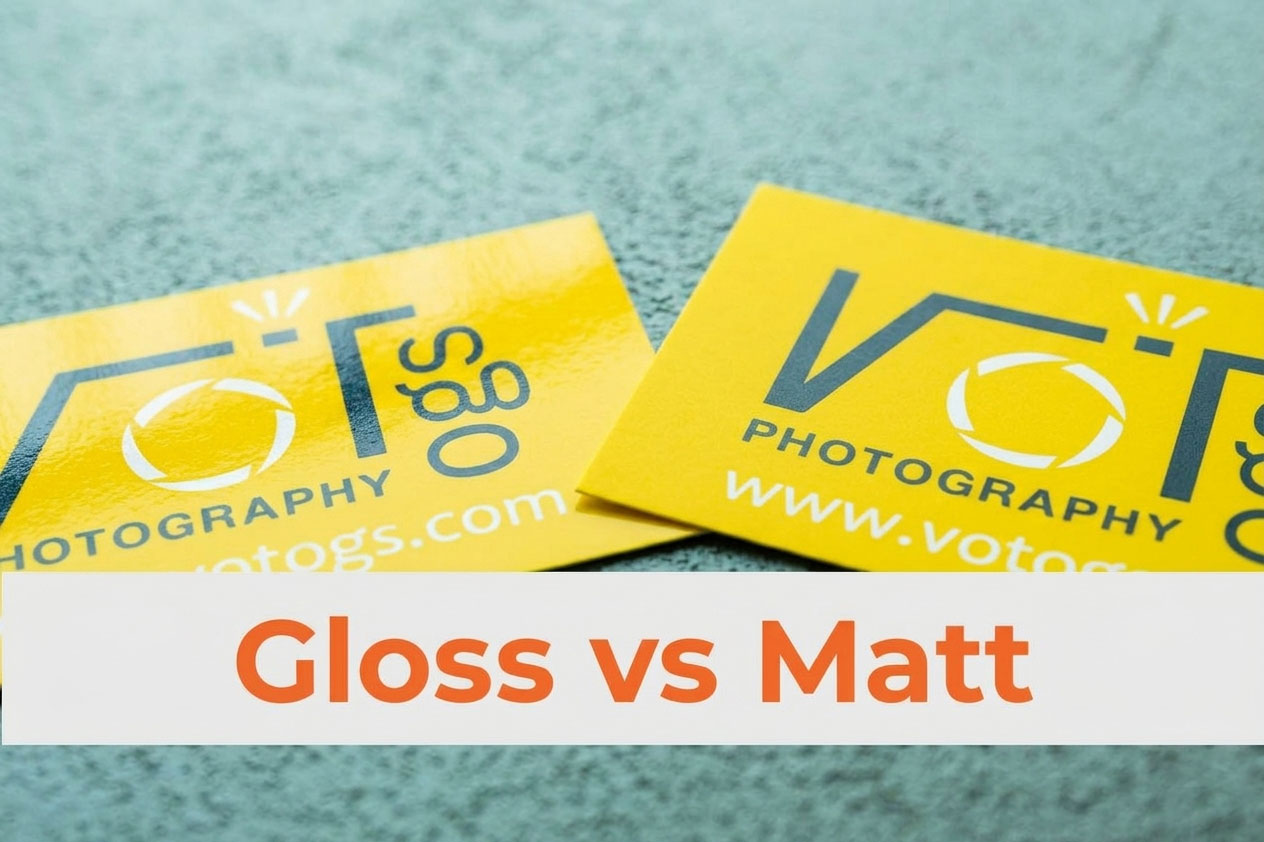
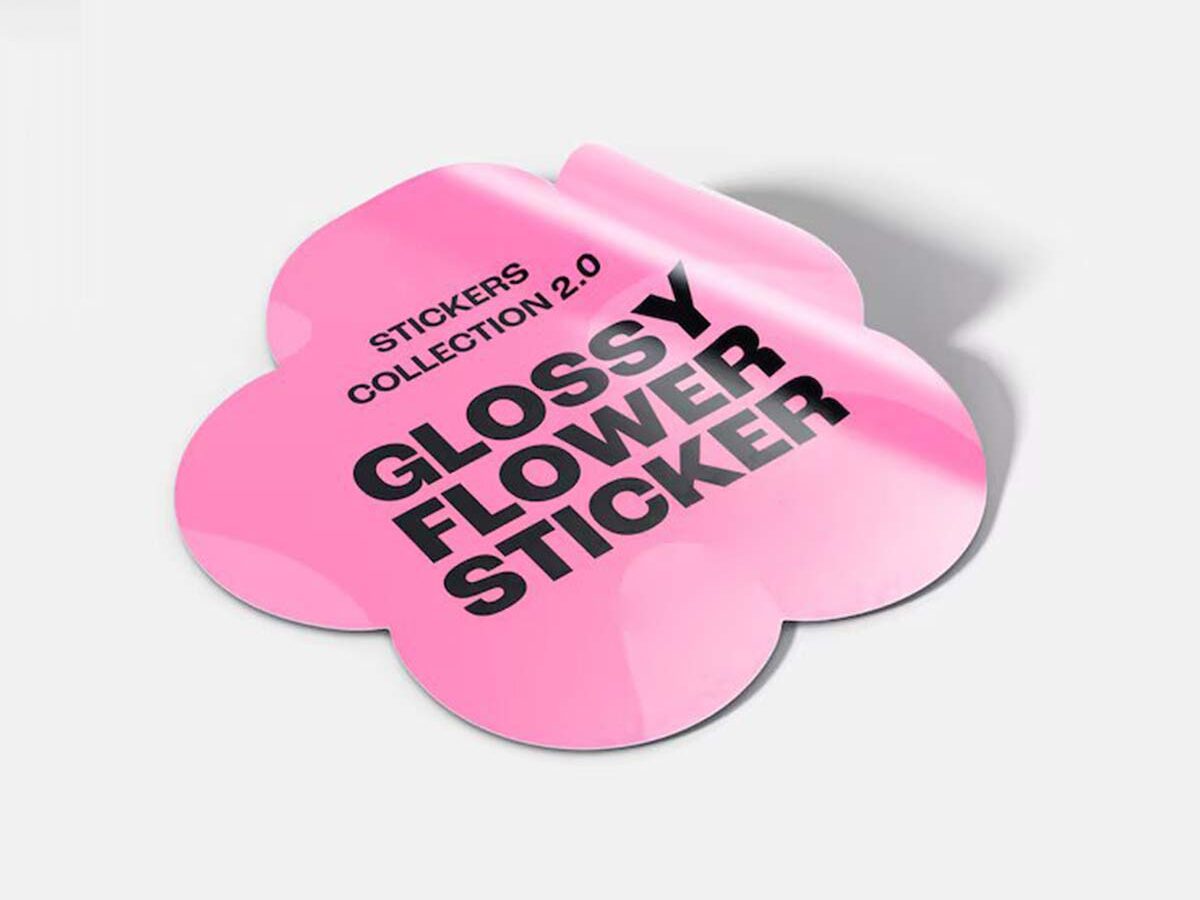
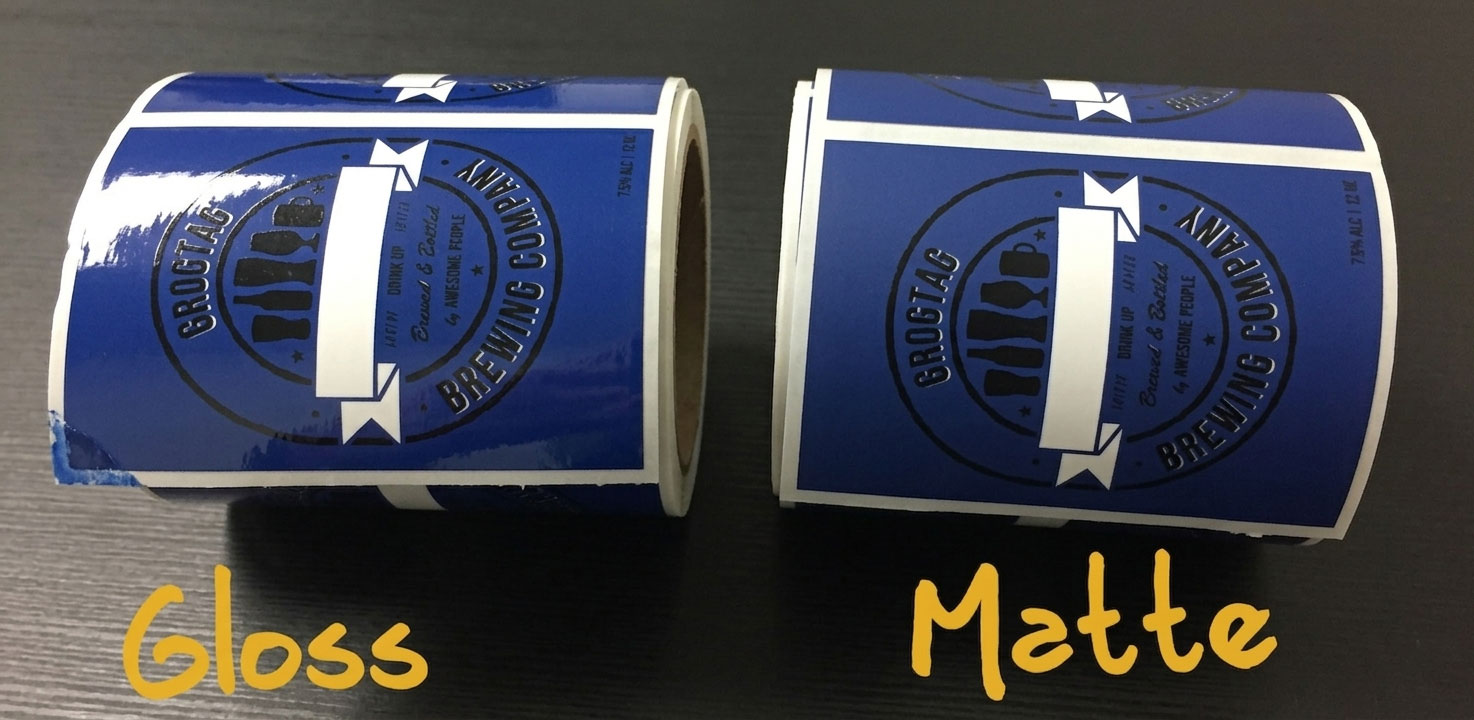
Glossy labels feature a high-shine, reflective coating that amplifies color intensity. Think of a glossy magazine cover or a freshly printed photograph.
The glossy effect comes from a clear polymer coating applied over the printed label, creating a perfectly smooth, mirror-like surface. Common materials include glossy paper (economical, for indoor use), glossy PP (water-resistant, tear-resistant), and glossy clear PET (for a "no-label" look on glass).
Key characteristics: Colors appear 30-40% more saturated. Contrast is very high — whites look whiter, blacks look deeper. The surface is smooth and slightly slick to the touch.
Where you have seen glossy labels: Coca-Cola bottles (the red pops dramatically), energy drink cans, hot sauce bottles, and skincare products on glass.
Pros: Colors are exceptionally vibrant and eye-catching. Creates a modern, energetic feel. Photography and gradient designs look stunning. Clear glossy offers a seamless "printed-on" appearance.
Cons: Shows fingerprints and smudges easily. Reflects light — can cause glare. Scratches are highly visible. Difficult to write on.
Glossy labels work best for products sold under bright retail lighting where first-glance impact matters most.
Matte labels have a non-reflective, flat finish that absorbs light rather than bouncing it back. The result is a soft, understated look — like high-end book paper or a fine art print.
A matte finish is achieved either by using uncoated paper stocks or applying a matte laminate that diffuses light. Popular materials include matte paper (classic, affordable), matte PP (water-resistant, writeable), kraft paper (natural brown fiber look), and matte clear (frosted appearance).
Key characteristics: Soft, non-reflective surface. Colors appear natural and true-to-life rather than "loud." The texture is velvety, warm, and paper-like.
Where you have seen matte labels: La Croix sparkling water (soft matte finish feels modern), craft beer cans (matte black signals authenticity), Aesop skincare (iconic matte brown labels), and local coffee roasters using kraft paper.
Pros: Elegant and sophisticated appearance. No glare — easy to read in any lighting. Hides fingerprints, smudges, and minor scratches. Writeable surface — works with ballpoint pens, pencils, and markers. Complements natural or minimalist brand aesthetics.
Cons: Colors are less vibrant than glossy — they appear "flatter." May show dirt or scuff marks over time. Not ideal for photo-realistic designs.
Matte labels consistently test higher for "premium feel" in consumer surveys for categories like wine, candles, and natural skincare.
The differences go far beyond appearance. Here is a direct comparison:
Appearance: Glossy labels are shiny, reflective, and high-impact. Matte labels are flat, soft, and non-reflective.
Color performance: Glossy delivers vibrant, saturated colors with high contrast. Matte produces natural, muted, true-to-life colors.
Texture: Glossy feels smooth and slightly tacky. Matte feels velvety, warm, and paper-like.
Fingerprints: Glossy shows every mark. Matte hides smudges and fingerprints excellently.
Writability: Glossy is poor — most inks smear or bead up. Matte accepts ballpoint pens, pencils, and oil-based markers.
Glare: Glossy creates significant glare under direct light. Matte has none — readable from any angle.
Best use cases: Glossy works for high-traffic retail and youth-oriented brands. Matte suits luxury, natural, and handcrafted products.
Practical differences that matter: In a retail setting, a glossy label on a beverage bottle catches the eye from 10 feet away. A matte label on a wine bottle invites customers to pick it up and feel the texture. On a bathroom counter, a glossy lotion label shows fingerprints within days, while a matte label stays clean for weeks. If workers need to write expiration dates, matte is the only practical choice.
| If this is your priority... | Choose this finish |
|---|---|
| Maximum shelf impact and bright colors | Glossy |
| Premium, natural, or handmade look | Matte |
| Ultra-vibrant or photo-quality images | Glossy |
| Writing on labels with pens or markers | Matte |
| "No-label" look on clear glass bottles | Glossy Clear |
| Hiding fingerprints (candles, soaps, daily-use) | Matte |
| No glare under bright lighting | Matte |
| Modern, energetic brand feeling | Glossy |
| Luxury, organic, or artisanal brand feeling | Matte |
| Selling to younger, impulse-buy demographics | Glossy |
| Selling to premium, mindful demographics | Matte |
When in doubt: Order a small sample of both finishes and apply them to your actual product. The way light hits your specific container can dramatically change how each finish performs.
Glossy labels excel when your goal is to attract immediate attention.
Ideal product categories: Soft drinks and energy drinks (bright colors signal refreshment), hot sauces and condiments (gloss amplifies bold flavors), beauty and cosmetics (shiny feels clean and modern), limited editions and seasonal products, children's products, and clear glass bottles.
Real example: A craft soda brand used glossy labels with bold retro illustrations. The saturated reds and yellows popped from 15 feet away on crowded grocery shelves. The brand reported 40% faster shelf recognition compared to matte prototypes.
When to avoid glossy labels: If customers need to write on the label (inventory, batch codes), if the product will be handled frequently (fingerprints show), if you are selling a "natural" or "organic" product (gloss can feel artificial), or if your packaging will be in direct sunlight (glare can make text unreadable).
Matte labels communicate authenticity, quality, craftsmanship, and sophistication.
Ideal product categories: Wine and spirits (elegance, old-world feel), craft beer (authenticity), coffee and tea (natural, warm), candles (no fingerprints, warm tactile experience), natural skincare (clean, pure perception), eco-friendly products, and minimalist brands.
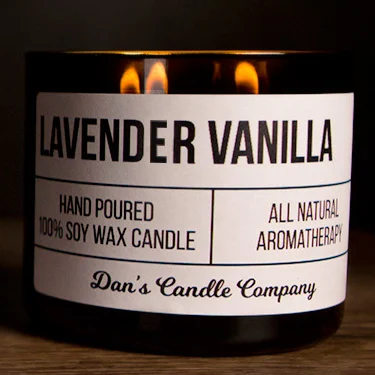
Real example: A luxury candle brand sells soy wax candles in matte black vessels with matte labels. Customers pick up candles to smell them — many times. Matte labels hide fingerprints completely. The soft, warm texture feels expensive in hand. Under warm living room lighting, there is no glare competing with the candle's glow. Customer reviews frequently mention "beautiful packaging."
Another example: A small-batch coffee roaster uses kraft paper matte labels. The unbleached material looks natural and sustainable. The matte surface accepts handwritten roast dates from a ballpoint pen — essential for small roasters who roast to order.
When to avoid matte labels: If your design relies on ultra-bright colors (they will look muted), if you need a "wet" or shiny appearance (like soda or hot sauce), or if your product will be in a very dusty environment.
Clear labels let your product container become part of the design. But the finish changes the effect.
The most important thing to know: White ink underprint is essential. Without white ink, your colors become transparent and take on the container's color. A blue logo on a brown glass bottle will look muddy. Professional printers like StickerForgeco always add a white ink layer.
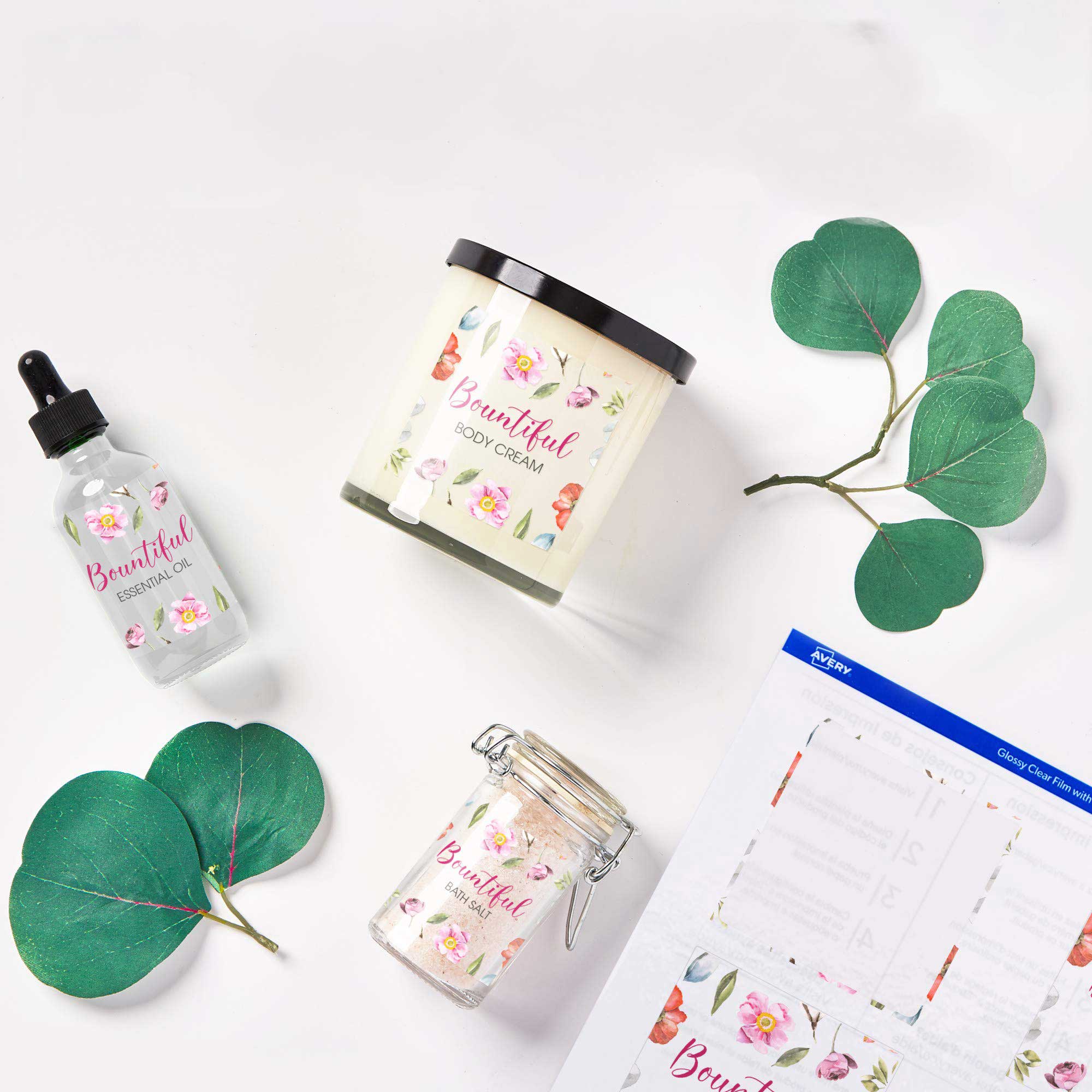
Glossy clear labels appear fully transparent, creating a seamless "printed directly on glass" effect. They work best on clear glass bottles, high-gloss plastic, and metallic containers. The look is modern, clean, and high-end. However, glossy clear shows bubbles and dust trapped under the label, and reflections can make small text harder to read. Premium vodka brands often use glossy clear labels for that "invisible" look.
Matte clear labels have a frosted, translucent finish — similar to etched glass. They work best on frosted or matte glass bottles, textured surfaces, and containers with minor imperfections because the frosted finish hides bubbles and dust. There is no glare, and text stays readable from any angle. Matte clear also resists fingerprints. Many skincare brands use matte clear labels on frosted glass jars for a cohesive, soft-touch package.
Quick advice: Order a sample of both clear finishes on your actual container. The way light passes through your specific glass or plastic makes a huge difference.
At StickerForgeco, we help you choose and create the perfect label finish. We offer glossy, matte, clear glossy, clear matte, kraft, and synthetic labels.
Why brands choose StickerForgeco: No minimum order quantities — order 50 labels or 50,000. Custom shapes and sizes with no setup fees or die charges. White ink included standard on all clear labels — no extra cost. Fast turnaround in as little as 2-3 business days. Free sample pack so you can see and test finishes before ordering.
What our customers say: "StickerForgeco helped me choose matte clear for my skincare line. The frosted finish matches my jars perfectly." — Sarah M. "I needed glossy labels for my hot sauce launch. The colors are incredibly vibrant — better than samples from three other printers." — David T.
Ready to get started? Order a free sample pack. Request a quote with transparent pricing. Or contact our label experts with your questions.
StickerForgeco — Your brand, perfectly labeled.
Q1: Which finish is more durable?
Durability depends on the material, not the finish. Paper labels (both finishes) work for indoor use. Synthetic PP or PET labels are water-resistant and tear-resistant. For maximum durability, choose matte synthetic — scratches and scuffs blend into the matte surface, keeping your label looking new longer.
Q2: Can I print these labels on my home printer?
Yes, but matte paper is easiest — it works with inkjet and laser printers, and colors dry quickly. Glossy paper is more challenging: it requires pigment-based ink, smudges easily, and not all printers handle it well. Synthetic materials need special printer settings. For best results with glossy or synthetic labels, professional printing is recommended.
Q3: Do clear labels always show the container color underneath?
Without white ink, yes. With white ink (which StickerForgeco includes standard), no. Professional printing adds a white ink layer first, then your colors on top. The result is opaque, true-to-color printing regardless of what is inside the container. Always ask your printer: "Do you include white ink onclear labels?"
Q4: Can I write on matte labels with a marker?
Yes — and this is a major advantage of matte. Ballpoint pens and pencils work excellently. Oil-based markers like Sharpies dry in seconds. Water-based markers may bead up slightly. Glossy labels are not recommended for handwriting at all. For coffee roasters writing roast dates or small businesses adding batch numbers, matte is the clear choice.
Q5: How do I get samples?
StickerForgeco offers a free sample pack including glossy paper, matte paper, glossy clear, matte clear, kraft, and synthetic materials. Visit our website, request your samples, and we mail them within one business day — completely free. Apply them to your actual products, test under your lighting, and see the difference before you order.
After reading this guide, you have the information you need. Here is a simple framework:
Choose glossy if you need to shout. Glossy works for beverages, hot sauce, beauty products, and anything that needs bright, bold colors and immediate shelf impact.
Choose matte if you want to be felt. Matte works for wine, coffee, candles, natural skincare, and any product where authenticity, elegance, and a premium feel matter.
Still not sure? Order samples of both finishes on your actual container. Test them under your real lighting conditions. See which one feels right for your brand.
And remember: StickerForgeco is here to help. Order your free sample pack today. Request a quote for your specific quantity and finish. Or simply ask us — our label experts will guide you to the right choice.
Your brand deserves great packaging. Let us help you make it happen.



 +8618128095554
 sales@stickerforgeco.com
 +8618128095554