
Get bulk orders for 30% less than local suppliers, plus free samples.
Get bulk orders for 30% less than local suppliers, plus free samples.
Choosing the right material is just as critical to the success of your packaging as the artwork itself. For brands aiming to communicate sustainability, an artisan spirit, or a vintage aesthetic, kraft paper is frequently the premier choice. However, because it is a natural, uncoated substrate, it behaves completely differently than standard vinyl or white synthetic papers.
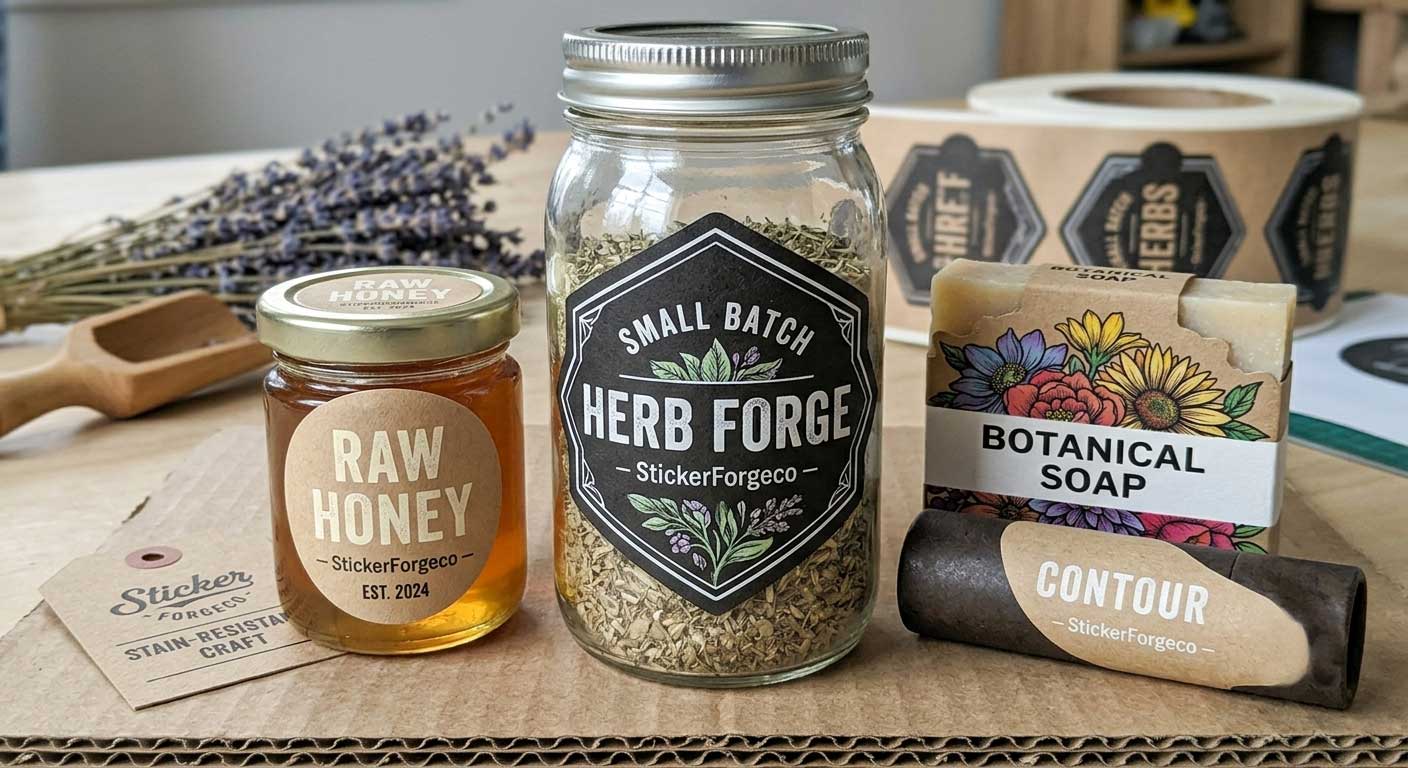
Understanding these physical and chemical nuances is key to creating a design that looks as stunning on the physical product as it does on your high-resolution digital monitor. When you transition from a digital canvas to a textured, organic surface, your design rules must adapt. StickerForgeco will give you a comprehensive understanding of how kraft paper material affects your design, and how to perfectly utilize this unique material to enhance your product packaging.
Kraft paper labels are manufactured using wood pulp that undergoes the specialized "kraft process." Invented in the late 19th century, the word kraft literally translates to "strength" in German—a nod to the exceptional durability of the resulting fibers. Unlike traditional white paper production, which relies heavily on extensive bleaching and chemical altering to achieve a stark white surface, the kraft process leaves the wood pulp in its most natural, unbleached state.
This minimal processing preserves the natural lignin and long-chain wood fibers, which gives the paper its remarkable tear resistance, high tensile strength, and signature earthy brown hue. Because it skips the heavy chemical bleaching phase, it is inherently a more environmentally friendly substrate. Today, it has become the gold standard for eco-conscious brands looking for a packaging material that is both highly functional and visually representative of a green philosophy. Many premium variations are further enhanced by being sourced entirely from post-consumer recycled waste, making them a truly circular packaging solution.
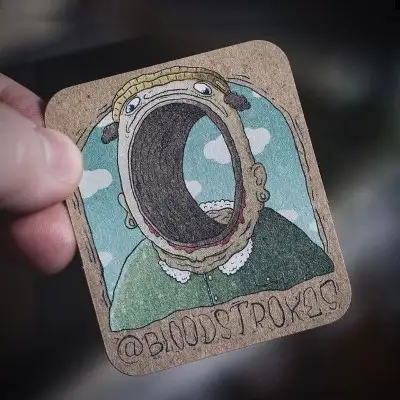
The physical anatomy of kraft paper defines how it interacts with light, ink, and human touch. To design effectively for it, you must understand its three core physical characteristics:
Unlike smooth, extruded plastics or clay-coated gloss papers, kraft paper possesses a raw, unrefined texture. When a customer picks up your product, their fingers instantly detect the subtle micro-ridges and organic grain of the paper. This tactile feedback creates an immediate psychological connection to nature, craftsmanship, and authenticity.
Kraft paper is a completely open-cell, uncoated substrate. It does not possess a plasticized barrier or a glossy topcoat to deflect light. Instead, it absorbs and diffuses light evenly across its surface. This results in a dead-matte finish that eliminates harsh glare and reflections, giving your product a soft, premium, and understated visual appeal that stands out in a sea of shiny, reflective plastic labels.
Because it is made from natural wood pulp and recycled materials, kraft paper exhibits beautiful organic imperfections. If you look closely at the surface, you will see tiny variegated flecks, darker wood fibers, and subtle shade shifting throughout the roll. No two labels are atomically identical. This built-in variability acts as a visual guarantee to the consumer that your packaging is genuinely rustic, natural, and free from artificial over-processing.
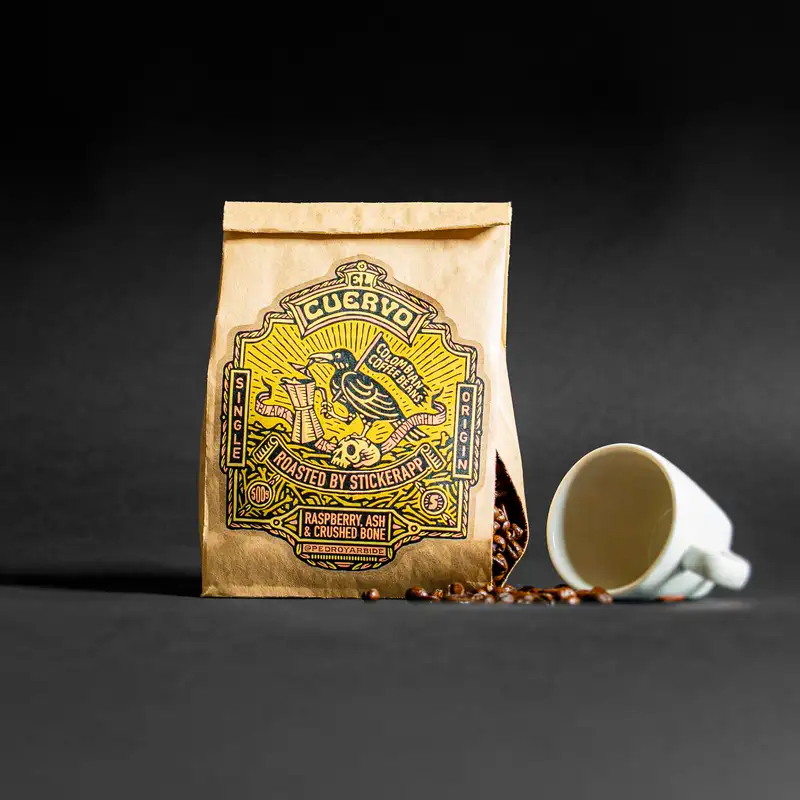
In a crowded retail landscape, packaging is your loudest silent salesman. Brands deliberately select kraft paper labels not just for their mechanical utility, but for the profound psychological messages they send to the consumer.
Modern consumers are highly sophisticated and increasingly skeptical of "greenwashing." A bright white, ultra-glossy plastic label with a recycling symbol printed on it rarely feels genuinely eco-friendly. Conversely, a brown kraft label instantly and non-verbally communicates environmental responsibility. It shows that your brand actively prioritizes the planet by reducing chemical usage, utilizing recycled content, and selecting materials that are fully biodegradable and compostable.
There is a powerful cultural shift toward supporting local makers, independent artisans, and small-batch manufacturers. Kraft paper labels perfectly embody this "hand-made" ethos. Whether applied to a jar of raw local honey, a hand-poured soy candle, a bottle of organic cold-pressed oil, or a tin of specialty loose-leaf tea, kraft paper tells the story of human curation rather than automated mass-production.
Achieving a premium look often requires expensive embellishments like metallic foil stamping, selective embossing, or heavy soft-touch laminates. Kraft paper offers a clever shortcut. Its inherent texture and color provide a rich, visually complex backdrop completely for free. A simple, well-executed single-color minimalist design can look incredibly luxurious on a kraft substrate, saving you money on multi-color printing and specialized finishes while retaining a high-end shelf presence.
Designing for kraft paper requires an understanding of its limitations:
Standard printing inks are translucent, not completely opaque. When you print on a standard white label, the bright white background acts like a mirror, reflecting light back through the ink layer to make the colors appear bright and true to your digital screen.
When you print on kraft paper, the brown background acts like a colored filter. The underlying tan and brown tones bleed through the translucent ink, permanently altering its color profile. Pastels and light colors, such as baby blues, pale pinks, and soft yellows, will almost completely disappear into the brown background or turn into muddy, unappealing grey tones. Cool tones like blues and purples will absorb the warm yellow-brown undertones of the paper, often shifting navy into near-black and turning vibrant purples into dull, brownish-maroon shades. Warm tones like reds and oranges fare better, but they will still deepen significantly, shifting bright scarlet reds toward a warm, brick-red or burnt terracotta hue.
Because kraft paper is uncoated, it acts exactly like a sponge or a piece of blotting paper. The moment the liquid ink hits the surface, it is pulled deep into the porous wood fibers. This causes two distinct technical phenomena:
Muted Imagery: The ink settles beneath the surface rather than sitting cleanly on top. This dramatically reduces the sharpness, contrast, and crispness of your artwork, giving it a softer, more integrated "lived-in" appearance.
Dot Gain (Ink Bleed): As the ink spreads outward along the fibers, fine details can blur together. Intricate vector linework, tiny decorative elements, and ultra-thin script fonts run the risk of filling in and losing their definition.
Kraft labels are incredibly versatile but perform best in dry environments. They are the absolute gold standard for dry, room-temperature applications where their organic texture can be preserved and appreciated.
For direct-to-consumer (DTC) brands shipping in corrugated cardboard boxes, kraft paper mailer bags, or rigid paper tubes, a kraft paper label creates a seamless, monochromatic look. It unifies the packaging into a single, cohesive, eco-friendly presentation that delights customers during the unboxing experience.
Specialty coffee bean bags and artisanal loose-leaf tea canisters.
Bakery boxes, cookie sleeves, and hand-wrapped artisanal bread sheets.
Glass jars containing low-moisture gourmet items like dry spice rubs, premium salts, organic nuts, and raw honey.
Paper wraps on cold-processed bar soaps.
Labels for bath salt pouches and dry clay masks.
Cardboard tubes for solid deodorant, lip balms, and herbal salves.
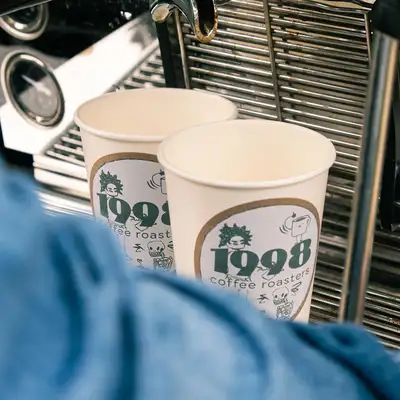
To defeat the challenges of color shifting and absorbency, professional designers utilize specific ink strategies optimized exclusively for the unique chemistry of kraft paper.
The easiest and most foolproof way to design for kraft paper is to embrace high-contrast, deep-saturation colors. Black ink is the absolute undisputed champion on kraft paper. It offers near-perfect legibility, grounds the design, and contrasts beautifully with the warm tan background.
If you want to move beyond black while maintaining safety, opt for highly saturated, dark jewel tones:
Forest Green / Pine: Complements the organic, botanical nature of the paper.
Deep Navy / Midnight Blue: Rich enough to retain its identity without looking washed out.
Charcoal Grey / Espresso Brown: Creates a sophisticated, tone-on-tone monochromatic look that feels exceptionally high-end.
If your brand identity relies on vibrant colors, pastels, or sharp corporate branding that cannot afford to shift color, you must utilize Opaque White Ink.
At StickerForgeco, we utilize advanced print technology that allows us to apply a highly concentrated, dense layer of opaque white ink directly onto the brown paper before printing your colored artwork. This process is known as an "under-hit" or a white primer layer.
The white ink acts as a solid, defensive shield, completely blocking out the dark brown color of the paper fibers. When your colored inks are printed on top of this white primer, they behave exactly as they would on a white canvas, popping with full vibrancy, razor-sharp accuracy, and clean definition. Alternatively, you can use white ink entirely on its own to create a striking, minimalist, modern white-on-brown design that looks incredibly clean and elegant.
Selecting the perfect label requires balancing your artistic vision with the practical realities of your product’s lifecycle. StickerForgeco will take you through a comprehensive understanding of how to make the right choices through the following steps:
Before finalizing your order, ask yourself where your product will live. Will it sit on a dry retail shelf, or will it be stored in a damp refrigerator, a humid bathroom shower, or an outdoor garden center? If your product faces direct water contact, high humidity, or heavy oil runoff (like massage oils or liquid face serums), a natural kraft paper label will absorb those liquids, leading to staining, wrinkling, or adhesive failure. Keep kraft paper for dry, low-moisture environments.
Because of dot gain and ink absorption, avoid ultra-fine, delicate fonts or complex, tightly packed geometric patterns. As a general rule of thumb:
Keep all body text above 6pt to 7pt for dark inks, and above 8pt if utilizing reversed-out text.
Ensure lines in your vectors are at least 0.5 points thick to prevent them from bleeding together or disappearing into the porous grain.
The physical boundary of your label sets the tone for your design. Simple geometric shapes—such as perfect circles, clean squares, and elongated rectangles—work in perfect harmony with the traditional, rustic, old-world charm of kraft paper. They evoke feelings of heritage and simplicity.
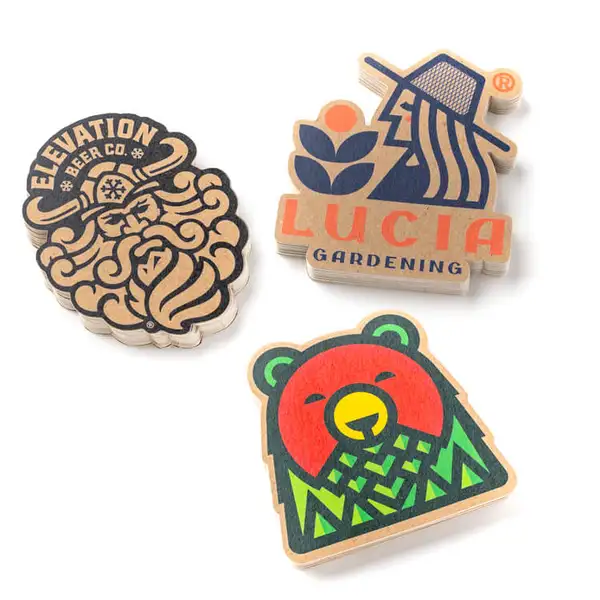
However, if you want a bold, modern, and disruptive look, consider a custom die-cut shape that contours around your logo or illustration. Custom die-cutting breaks the traditional expectations of kraft paper, providing an eye-catching contrast between rustic material and cutting-edge geometry.
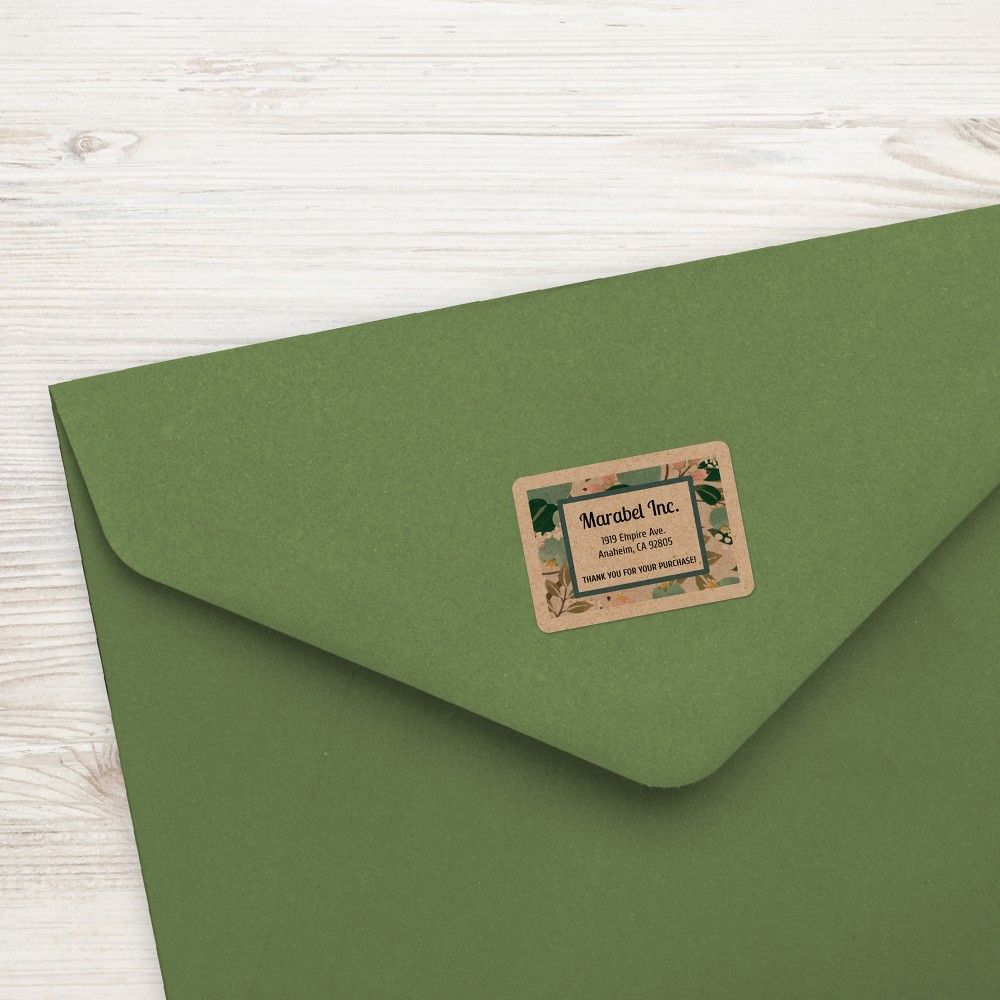
Navigating the technical complexities of printing on natural substrates doesn't have to be a guessing game. As a specialized leader in custom labeling solutions, StickerForgeco is dedicated to helping your business find the absolute perfect intersection between artistic design and material science.
We offer premium, sustainable matte recycled kraft paper options engineered specifically to handle high-performance commercial labeling applications. Our state-of-the-art manufacturing facility features precision color calibration and high-opacity white ink printing capabilities, ensuring that your artwork retains its integrity without sacrificing its eco-friendly essence.
Whether you are a local artisan launching a passion project or an industrial manufacturer looking to overhaul your product packaging with a sustainable edge, StickerForgeco provides the technical expertise, cutting-edge machinery, and dedicated customer support needed to transform your digital concepts into breathtaking, tactile physical realities.
True neon and metallic inks are highly translucent and will completely lose their reflective and fluorescent properties when printed directly onto brown kraft paper. However, by partnering with StickerForgeco, we can utilize specialized layering techniques or white ink primers to help specific colors pop, though we generally recommend choosing deep, high-contrast palettes for the best natural results.
No, true kraft paper labels are made from natural, uncoated plant fibers and are inherently porous. While they can handle light condensation and minimal handling, they are not waterproof or oil-proof. For products like shower gels or heavy liquid oils, they will stain and degrade over time.
Computer monitors emit light using the RGB spectrum on a stark black screen, whereas printing presses deposit translucent CMYK inks onto a dark, light-absorbing brown paper base. The brown color blends with your ink, naturally muting and deepening the colors. Utilizing a white ink under-hit from a professional printer is the best way to combat this effect.
Yes! Because kraft paper is uncoated and completely matte, it has excellent "tooth" and absorbency. This makes it incredibly easy to write on using standard ballpoint pens, permanent markers, or custom rubber stamps—perfect for artisan brands that like to hand-write batch numbers, expiration dates, or personalized customer names directly onto the packaging.
StickerForgeco specifically sources high-grade, matte recycled kraft paper that balances premium tactile texture with superior tensile strength for machine or hand application. Combined with our advanced digital printing capabilities, we can execute complex designs, fine typography, and gorgeous opaque white ink layers that standard print shops simply cannot replicate on a dark, rustic substrate.



 +8618128095554
 sales@stickerforgeco.com
 +8618128095554