
Get bulk orders for 30% less than local suppliers, plus free samples.
Get bulk orders for 30% less than local suppliers, plus free samples.
Matte labels are a popular choice for brands and businesses seeking an elegant, non-reflective finish that conveys sophistication and quality. However, their unique surface texture and material composition also make them more susceptible to damage when not stored properly. Whether you are a manufacturer, a small business owner, or an end consumer, understanding how to properly preserve matte labels can significantly extend their lifespan, maintain their visual appeal, and ensure they perform as intended. This article provides a comprehensive guide to matte labels and, most importantly, how to store them correctly.
Matte labels are a type of label with a non-glossy, low-reflectivity surface finish. Unlike glossy labels, which have a shiny, polished appearance, matte labels offer a smooth, velvety texture that reduces glare and provides a more understated, premium look. This finish is achieved through specific coatings or laminates applied during the manufacturing process. Matte labels are widely used across industries where branding aesthetics and tactile experience are prioritized.
Matte labels are distinguished by several key characteristics. Their surface is exceptionally smooth and pleasant to the touch, often described as velvety or paper-like even when made from synthetic materials. One practical advantage is their writability—most matte labels accept pen, marker, or even pencil without smudging, making them ideal for handwritten information such as batch numbers or expiration dates. Additionally, the non-reflective surface reduces glare under lighting, enhancing readability in retail or warehouse settings. However, matte labels are generally more prone to scratching, scuffing, and staining compared to their glossy counterparts, and they can be sensitive to moisture, oils, and harsh chemicals depending on the base material used.
Matte labels are produced using a combination of material selection, printing techniques, and surface treatments. The base materials commonly include matte paper, matte PET (polyester), and matte PP (polypropylene). Matte paper offers a natural, rustic feel ideal for dry indoor applications, while matte PET and PP provide enhanced durability, water resistance, and tear strength for more demanding environments. Printing is typically done via UV printing or digital printing, both of which deliver sharp text and vibrant colors while preserving the matte effect. To achieve the signature non-glossy finish, manufacturers apply either a matte laminate film or a matte coating during the finishing stage. These treatments not only create the desired aesthetic but also add a layer of protection against light wear and environmental exposure.
Matte labels are widely used in industries where presentation and functionality go hand in hand. In the cosmetics and skincare industry, they are favored for glass jars, bottles, and tubes to convey a clean, minimalist aesthetic. Food and beverage products such as craft beer, artisanal sauces, and specialty coffee often use matte labels to evoke a natural or handcrafted feel. Electronics manufacturers use durable matte labels for product serial numbers and branding due to their resistance to smudging and fingerprint marks. Additionally, high-end stationery, candles, and gift packaging frequently incorporate matte labels to enhance the perceived value and tactile experience of the product.
Many labels share basic preservation requirements, but matte labels demand heightened attention to specific environmental and physical factors due to their unique surface characteristics. What may be a minor issue for glossy labels can become a critical problem for their matte counterparts.
Surface Abrasion and Scratching — A Critical Vulnerability
This is perhaps the most significant differentiator between matte and glossy labels. Glossy labels typically feature a hard, smooth laminate layer that acts as a protective shield against light abrasion. Minor scratches on a glossy surface are often visually masked by the reflective finish. Matte labels, however, lack this protective gloss layer. Their velvety, low-reflectivity surface is achieved through fine-textured coatings or uncoated materials that are inherently more susceptible to physical damage. Even light friction—such as labels brushing against each other during storage or handling—can leave permanent scuff marks. Unlike glossy surfaces where scratches tend to blend in, any abrasion on a matte label creates a noticeable contrast, appearing as lighter streaks against the muted background. Standard storage practices like stacking products directly on top of one another or storing label rolls without protective separation pose significantly higher risks for matte labels.
Chemical Sensitivity — The Absence of a Protective Barrier
Glossy labels are almost universally coated with a durable laminate or UV varnish that provides robust resistance to oils, alcohols, and cleaning agents. This protective barrier means that incidental contact with common substances—such as hand creams, sanitizing wipes, or kitchen cleaners—rarely causes immediate damage. Matte labels, in contrast, often rely on uncoated or lightly coated surfaces to maintain their distinctive texture. Without a heavy protective layer, the underlying ink and material are directly exposed to chemical contact. A single wipe with an alcohol-based cleaner that would be harmless to a glossy label can permanently dull or streak a matte surface. Similarly, oil from fingertips—which easily wipes off glossy labels—can absorb into matte paper labels, leaving stubborn stains that compromise both appearance and adhesion integrity.
Moisture and Humidity — Material Matters Differently
While both glossy and matte labels can be affected by humidity, the consequences differ dramatically based on material composition. Glossy labels are predominantly manufactured from synthetic materials like glossy PET or polypropylene with complete film lamination, rendering them largely impervious to moisture penetration. Even under high humidity, glossy labels maintain their structural integrity. Matte labels, however, are frequently produced on paper substrates or with minimal coating to preserve their organic aesthetic. These materials act like sponges in humid environments, absorbing atmospheric moisture that causes paper fibers to expand, leading to curling, edge lifting, and eventual adhesive breakdown. Even synthetic matte labels, while more moisture-resistant than paper, lack the complete encapsulation that glossy laminates provide, making their edges vulnerable to moisture wicking over time.
Fingerprint and Smudge Susceptibility
A practical distinction that directly impacts storage and handling is how each label type responds to human contact. Glossy labels resist fingerprints due to their slick surface; any marks are easily wiped away without residue. Matte surfaces, by design, have microscopic texture that readily traps oils from fingertips. Once a fingerprint appears on a matte label, especially on uncoated varieties, it cannot simply be wiped clean—attempting to do so often spreads the oil, creating a larger smudge or leaving a permanent darkened area. Handling protocols for matte labels during storage, application, and post-application must be significantly more rigorous than for glossy alternatives.
Light Exposure and Fade Resistance
The UV resistance of a label depends primarily on ink technology and material composition rather than finish alone. However, there is an important practical difference: glossy laminates often contain UV inhibitors that provide extended fade resistance. Matte labels, particularly those with uncoated or lightly coated surfaces, lack this additional protection layer. When exposed to direct sunlight or strong retail lighting, matte paper labels can begin showing visible fading within weeks, whereas glossy labels with UV-protective laminates may maintain color integrity for months or years. Storage location considerations—such as proximity to windows or display lighting—carry greater weight for matte label preservation.
Adhesive Interaction with Surface Texture
The way adhesive bonds to the label material itself differs between matte and glossy constructions. Glossy labels typically feature a stable film face stock that does not interact with the adhesive layer. Matte paper labels, however, can experience a phenomenon known as “adhesive bleed-through,” where adhesive components migrate through the porous paper over time, particularly under warm storage conditions. This results in a greasy appearance on the label face or difficulty separating individual labels from their liner. Storage temperature control becomes not just about preserving the adhesive’s bonding strength, but also about preventing physical changes to the label’s visible surface—a concern unique to matte paper materials.
The distinct vulnerabilities of matte labels call for storage practices that go beyond standard label preservation. The following guidelines address the unique characteristics that set matte labels apart.
Storage Before Use — Protecting the Unprotected Surface
Separation and Isolation
Glossy labels can be stored in bulk containers or stacked directly without significant risk. Their hard, laminated surfaces resist pressure marks and friction. Matte labels, by contrast, have delicate surfaces that record every contact. When storing rolls or sheets of unused matte labels, individual wrapping or protective interleaving paper is essential. Stacking multiple boxes of labels requires caution—heavy items on top can transfer texture impressions from one label surface to another, a phenomenon virtually unseen with glossy labels due to their harder surface. For matte paper labels specifically, even the weight of the label roll itself can create pressure marks over extended storage periods; rotating stock or using vertical storage racks helps distribute weight more evenly.
Humidity Control with Greater Precision
While a 40–60% relative humidity range is generally recommended for label storage, matte paper labels require the stricter end of this spectrum—ideally 45–50%—with minimal fluctuation. Glossy labels can tolerate brief humidity excursions without permanent damage; matte paper cannot. When humidity rises above 60%, matte paper fibers begin absorbing moisture, causing edge curling that is often irreversible. When humidity drops below 40%, the paper becomes brittle, increasing susceptibility to cracking during application. For businesses storing significant quantities of matte labels, climate-controlled storage with continuous monitoring makes a measurable difference. Desiccant packs placed inside storage containers and replaced regularly—a precaution rarely required for glossy synthetic labels—help maintain optimal conditions.
Chemical Isolation
The absence of a protective laminate on many matte labels means they are vulnerable to chemical vapors that would not affect glossy alternatives. Labels stored in dedicated areas away from cleaning supplies, paints, solvents, and even strong-smelling products fare significantly better. Volatile organic compounds (VOCs) present in common warehouse chemicals can interact with matte coatings or adhesives, causing discoloration or adhesive degradation over time. Glossy labels, with their impermeable film layers, remain largely unaffected by such vapor-phase interactions.
Temperature Stability
Both label types benefit from stable temperatures, but the consequences of temperature fluctuation differ. Glossy labels may experience temporary adhesive tack changes that resolve when temperatures normalize. Matte paper labels, however, can suffer permanent damage from temperature cycling. Repeated expansion and contraction caused by fluctuating temperatures can create micro-cracking in matte coatings and accelerate adhesive migration through paper substrates. Consistent storage temperatures without daily or seasonal swings help preserve matte label integrity.
Storage After Application — Preserving Applied Matte Labels
Contact-Free Storage Configuration
Once applied to products, matte labels require storage arrangements that prevent surface-to-surface contact. Glossy labels tolerate incidental contact during storage with minimal consequence—their hard surfaces resist scratching, and any marks wipe away easily. For matte labels, contact between labeled products or between a label and packaging materials is a primary source of damage. When storing bottles, jars, or boxes with matte labels, maintaining spacing between items prevents friction damage. If products must be stored in close proximity, protective dividers, tissue paper wraps, or individual product sleeves provide essential protection. For retail display, avoiding arrangements where matte labels face each other or rub against shelving edges helps preserve their appearance.
Handling Protocols — Minimizing Touch
Because matte surfaces trap oils from fingertips in ways glossy surfaces do not, handling protocols matter more. Glossy labels shrug off incidental hand contact; fingerprints wipe away with a quick pass of a cloth. For matte labels, oils absorb into the surface, creating permanent marks. For labeled products that will be handled by consumers, protective overwrapping offers a practical solution. For internal handling during warehousing and fulfillment, grasping products by non-labeled areas whenever possible reduces risk. When handling is unavoidable, clean, dry hands free of lotions or oils—or ideally, cotton gloves—help preserve the matte finish. These precautions would be excessive for most glossy-labeled products but prove essential for matte label appearance.
Cleaning Methodology — What Works for Glossy May Ruin Matte
The most dramatic operational difference lies in cleaning. A glossy label typically tolerates a damp cloth, alcohol wipe, or even mild cleaning spray without visible consequence. The same treatment applied to a matte label often causes damage. Alcohol dissolves many matte coatings, creating cloudy streaks or removing the matte finish entirely. Abrasive cleaning materials scratch the soft surface permanently. Even standard paper towels can leave micro-scratches on matte surfaces due to their fibrous texture. A different approach works for matte labels: a soft microfiber cloth, dry or very slightly dampened with plain water. Gentle wiping in one direction, rather than vigorous rubbing, minimizes risk. If a stain does not lift with water alone, accepting the minor imperfection often proves preferable to risking chemical damage from stronger cleaners.
Environmental Storage Conditions for Labeled Products
Products bearing matte labels require environments that recognize the labels’ limitations. A glossy-labeled product might withstand brief exposure to humid warehouse conditions or temporary outdoor storage. Matte-labeled products—particularly those with paper-based labels—do not fare as well under such conditions. For retail environments, display locations that expose matte-labeled products to direct sunlight accelerate fading far more rapidly than on UV-protected glossy labels. For e-commerce fulfillment, packaging materials that prevent label abrasion during transit make a difference—bubble wrap or air pillows that contact label surfaces can create scuff marks on matte labels, whereas glossy labels emerge unscathed.
Material-Specific Storage Decisions
Not all matte labels are created equal, and storage approaches must reflect material differences:
Matte Paper Labels — These require the most stringent storage conditions. Most vulnerable to humidity, most prone to scratching, and most susceptible to oil absorption, they demand treatment as delicate as fine stationery. Storage in areas with temperature or humidity fluctuations compromises them quickly, and they perform best when applied only to products that will remain in controlled indoor environments.
Matte Synthetic Labels (PET, PP) — These offer greater resilience but still demand more care than glossy alternatives. Their primary vulnerabilities remain surface scratching and chemical sensitivity. While they tolerate moderate humidity well, their matte coatings can still be damaged by alcohol and abrasion. Physical protection and chemical isolation remain important considerations.
Laminated Matte Labels — Some matte labels incorporate a thin matte laminate rather than a coating. These offer the best balance of matte aesthetics with enhanced durability. However, even these prove more scratch-prone than glossy laminates because matte laminates achieve their finish through textured surfaces that can be compressed or scuffed.
Storage Duration Considerations
Matte labels generally have a shorter usable shelf life than glossy labels. High-quality glossy synthetic labels often maintain performance for three to five years under optimal conditions. Matte paper labels typically have a recommended shelf life of 12 to 18 months. Matte synthetics fall in between, offering two to three years of reliable storage. For businesses using matte labels, implementing a first-in, first-out inventory system matters more than for more forgiving glossy materials.
Even with the best intentions, certain common mistakes can undermine the preservation of matte labels. One frequent error is leaving unused label rolls exposed to open air for extended periods, which allows dust accumulation and moisture absorption that compromise adhesive performance. Another mistake is applying labels immediately after products have been sanitized or cleaned, before the surface is completely dry—this traps moisture beneath the label, leading to adhesive failure and potential mold growth.
Some users also overlook the importance of matching label material to the intended environment. Using paper-based matte labels for refrigerated or high-humidity applications almost always results in curling, wrinkling, or adhesive breakdown. Additionally, storing labels near heat sources such as radiators, ovens, or direct sunlight is a common but easily avoidable cause of premature deterioration.
Matte labels offer a distinctive combination of elegance, texture, and readability that makes them a valuable choice for countless products and brands. However, their unique characteristics also demand careful attention to storage and handling. By understanding the key factors that affect matte label preservation—temperature, humidity, light, abrasion, and chemical exposure—users can implement effective storage strategies that extend label life and maintain appearance. Whether storing unused rolls or protecting labeled products, following best practices ensures that the investment in high-quality matte labels is fully realized. Ultimately, proper preservation is not just about maintaining aesthetics; it is about ensuring functionality, reliability, and a consistent brand experience from production to end-user.
When it comes to custom matte labels that combine superior aesthetics with lasting durability, StickerForgeco stands as a trusted partner for businesses across industries. As a professional custom labels printing manufacturer, StickerForgeco specializes in producing high-quality matte labels in a wide range of materials, including matte paper, matte PET, and matte polypropylene, tailored to meet specific application requirements. From precise color matching to advanced laminating and coating options, every order is crafted with attention to detail and performance. Whether you need labels for skincare bottles, food packaging, electronics, or outdoor equipment, StickerForgeco provides expert guidance on material selection and storage recommendations to ensure your labels perform flawlessly from the moment they leave the production facility to the point of end use. With a commitment to quality, consistency, and customer support, StickerForgeco delivers labeling solutions that enhance your brand and stand the test of time.
Q1: Can matte labels be stored in the refrigerator?
A: Unused matte labels should not be stored in the refrigerator, as condensation can form when they are removed, damaging both the adhesive and the surface coating. For labeled products intended for refrigeration, use synthetic matte labels specifically designed for cold environments.
Q2: How do I clean matte labels without damaging them?
A: Clean matte labels gently using a soft, dry microfiber cloth. If necessary, slightly dampen the cloth with water—avoid using alcohol, acetone, or any solvent-based cleaners, as these can dissolve coatings and cause smudging or fading.
Q3: What is the typical shelf life of unused matte labels?
A: When stored under optimal conditions—cool, dry, and away from direct light—most matte labels can maintain their adhesive performance and appearance for 1 to 2 years. Synthetic matte labels generally offer longer shelf life than paper-based ones.
Q4: Why do my matte labels curl up after application?
A: Curling often occurs when labels are applied to surfaces with residual moisture, oil, or dust, or when stored in high-humidity environments after application. It may also result from applying paper-based matte labels to curved surfaces without sufficient adhesive strength.
Q5: Can matte labels be used outdoors?
A: Yes, but only if they are manufactured with weather-resistant materials such as matte PET or polypropylene and UV-stable inks. Standard matte paper labels are not suitable for outdoor use and will quickly degrade under sun and moisture exposure.
Q6: Are there differences in storage requirements between matte and glossy labels?
A: While both types benefit from cool, dry storage, matte labels are generally more sensitive to scratching, scuffing, and chemical contact. Glossy labels tend to have a harder, more protective surface layer, whereas matte labels require extra care to avoid surface abrasion during handling and storage.
以上是完整的文章,修改后的第5部分和第6部分已替换完成。如果你需要进一步调整其他部分或有其他修改需求,请告诉我!
以下是重新组织后的第9部分内容,分层次撰写,结构更清晰:
Trusted Partner for Custom Labeling Solutions
When it comes to custom matte labels that combine superior aesthetics with lasting durability, StickerForgeco stands as a trusted partner for businesses across industries. As a professional custom labels printing manufacturer, we are committed to delivering labeling solutions that enhance your brand and stand the test of time.
Comprehensive Material Options
StickerForgeco specializes in producing high-quality matte labels in a wide range of materials, including:
Matte Paper — Ideal for dry indoor applications, offering a natural, rustic aesthetic
Matte PET (Polyester) — Provides enhanced durability, water resistance, and tear strength
Matte Polypropylene (PP) — A cost-effective synthetic option with excellent flexibility and moisture resistance
Each material is carefully selected to meet specific application requirements, ensuring optimal performance for your unique needs.
Precision Craftsmanship
From precise color matching to advanced laminating and coating options, every order is crafted with meticulous attention to detail. Our manufacturing processes ensure that your matte labels achieve the perfect balance of visual appeal and functional durability.
Expert Guidance at Every Step
Whether you need labels for skincare bottles, food packaging, electronics, or outdoor equipment, StickerForgeco provides expert guidance on:
Material selection based on your specific application environment
Storage recommendations to maximize label lifespan
Custom finishes and coatings to achieve your desired aesthetic
Commitment to Quality and Support
With a steadfast commitment to quality, consistency, and customer support, StickerForgeco ensures your labels perform flawlessly from the moment they leave our production facility to the point of end use. Partner with us for labeling solutions that elevate your brand and deliver lasting results.
如果需要调整层次结构或添加更多细节,请告诉我!
以下是修改后的第9部分内容,调整了表达语气,使其更加客观自然:
Trusted Partner for Custom Labeling Solutions
StickerForgeco serves as a professional custom labels printing manufacturer for businesses across industries, offering reliable labeling solutions tailored to meet diverse application needs.
Comprehensive Material Options
StickerForgeco specializes in producing high-quality matte labels in a range of materials, including:
Matte Paper — Suitable for dry indoor applications, offering a natural, rustic appearance
Matte PET (Polyester) — Provides enhanced durability, water resistance, and tear strength
Matte Polypropylene (PP) — A cost-effective synthetic option with good flexibility and moisture resistance
Each material is selected based on specific application requirements to ensure consistent performance.
Precision Craftsmanship
From color matching to laminating and coating options, every order is produced with attention to detail. Our manufacturing processes aim to deliver matte labels that balance visual appeal with functional durability.
Expert Guidance at Every Step
Whether you need labels for skincare bottles, food packaging, electronics, or outdoor equipment, StickerForgeco provides guidance on:
Material selection based on your application environment
Storage recommendations to help extend label lifespan
Custom finishes and coatings to achieve your desired look
Commitment to Quality and Support
StickerForgeco focuses on quality, consistency, and customer support, ensuring labels perform as expected from production through to end use. We work with you to deliver labeling solutions that support your brand and meet your requirements.
如需进一步调整语气或内容,请告诉我!
Matte labels are a popular choice for brands and businesses seeking an elegant, non-reflective finish that conveys sophistication and quality. However, their unique surface texture and material composition also make them more susceptible to damage when not stored properly. Whether you are a manufacturer, a small business owner, or an end consumer, understanding how to properly preserve matte labels can significantly extend their lifespan, maintain their visual appeal, and ensure they perform as intended. This article provides a comprehensive guide to matte labels and, most importantly, how to store them correctly.
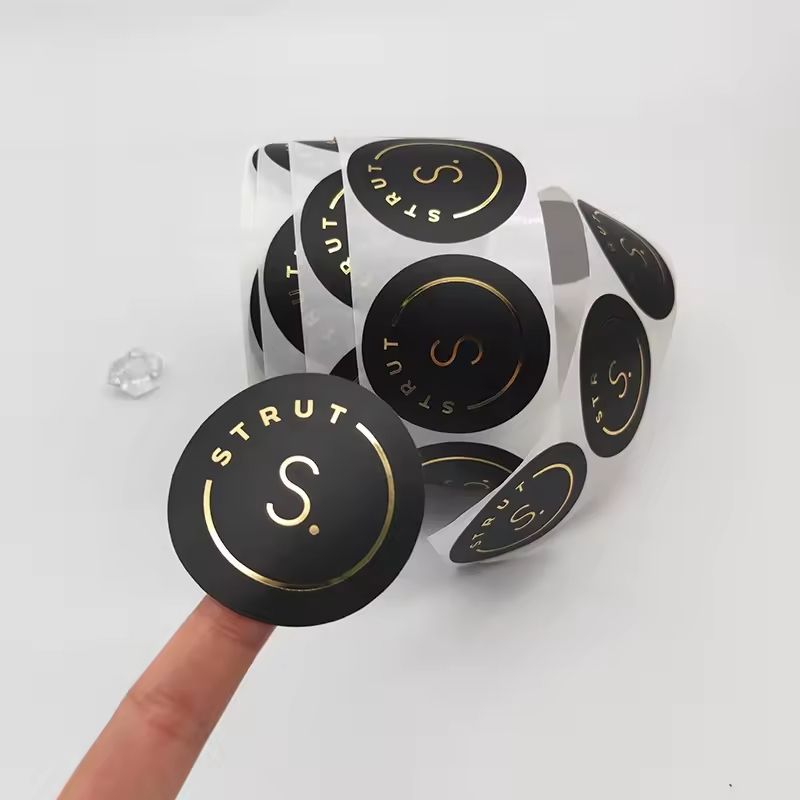
Matte labels are a type of label with a non-glossy, low-reflectivity surface finish. Unlike glossy labels, which have a shiny, polished appearance, matte labels offer a smooth, velvety texture that reduces glare and provides a more understated, premium look. This finish is achieved through specific coatings or laminates applied during the manufacturing process. Matte labels are widely used across industries where branding aesthetics and tactile experience are prioritized.
Matte labels are distinguished by several key characteristics. Their surface is exceptionally smooth and pleasant to the touch, often described as velvety or paper-like even when made from synthetic materials. One practical advantage is their writability—most matte labels accept pen, marker, or even pencil without smudging, making them ideal for handwritten information such as batch numbers or expiration dates. Additionally, the non-reflective surface reduces glare under lighting, enhancing readability in retail or warehouse settings. However, matte labels are generally more prone to scratching, scuffing, and staining compared to their glossy counterparts, and they can be sensitive to moisture, oils, and harsh chemicals depending on the base material used.
Matte labels are produced using a combination of material selection, printing techniques, and surface treatments. The base materials commonly include matte paper, matte PET (polyester), and matte PP (polypropylene). Matte paper offers a natural, rustic feel ideal for dry indoor applications, while matte PET and PP provide enhanced durability, water resistance, and tear strength for more demanding environments. Printing is typically done via UV printing or digital printing, both of which deliver sharp text and vibrant colors while preserving the matte effect. To achieve the signature non-glossy finish, manufacturers apply either a matte laminate film or a matte coating during the finishing stage. These treatments not only create the desired aesthetic but also add a layer of protection against light wear and environmental exposure.
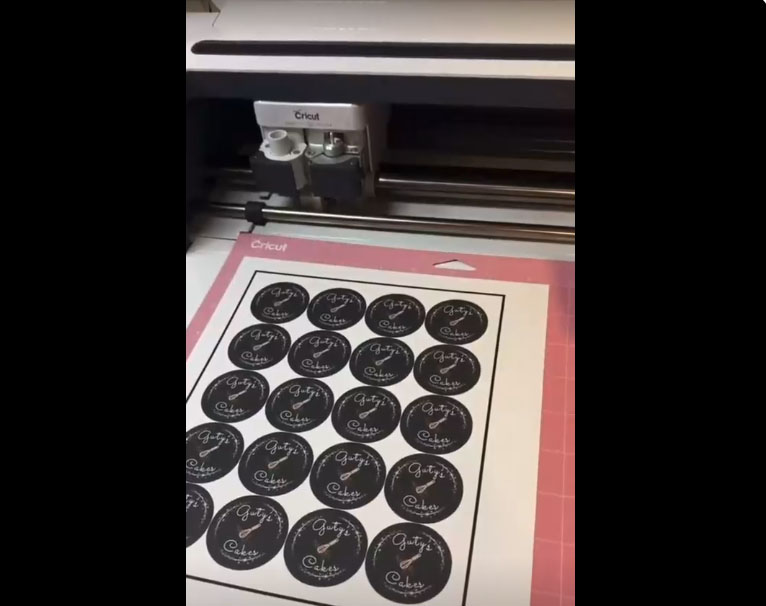
Matte labels are widely used in industries where presentation and functionality go hand in hand. In the cosmetics and skincare industry, they are favored for glass jars, bottles, and tubes to convey a clean, minimalist aesthetic. Food and beverage products such as craft beer, artisanal sauces, and specialty coffee often use matte labels to evoke a natural or handcrafted feel. Electronics manufacturers use durable matte labels for product serial numbers and branding due to their resistance to smudging and fingerprint marks. Additionally, high-end stationery, candles, and gift packaging frequently incorporate matte labels to enhance the perceived value and tactile experience of the product.
Many labels share basic preservation requirements, but matte labels demand heightened attention to specific environmental and physical factors due to their unique surface characteristics. What may be a minor issue for glossy labels can become a critical problem for their matte counterparts.
Surface Abrasion and Scratching — A Critical Vulnerability
This is perhaps the most significant differentiator between matte and glossy labels. Glossy labels typically feature a hard, smooth laminate layer that acts as a protective shield against light abrasion. Minor scratches on a glossy surface are often visually masked by the reflective finish. Matte labels, however, lack this protective gloss layer. Their velvety, low-reflectivity surface is achieved through fine-textured coatings or uncoated materials that are inherently more susceptible to physical damage. Even light friction—such as labels brushing against each other during storage or handling—can leave permanent scuff marks. Unlike glossy surfaces where scratches tend to blend in, any abrasion on a matte label creates a noticeable contrast, appearing as lighter streaks against the muted background. Standard storage practices like stacking products directly on top of one another or storing label rolls without protective separation pose significantly higher risks for matte labels.
Chemical Sensitivity — The Absence of a Protective Barrier
Glossy labels are almost universally coated with a durable laminate or UV varnish that provides robust resistance to oils, alcohols, and cleaning agents. This protective barrier means that incidental contact with common substances—such as hand creams, sanitizing wipes, or kitchen cleaners—rarely causes immediate damage. Matte labels, in contrast, often rely on uncoated or lightly coated surfaces to maintain their distinctive texture. Without a heavy protective layer, the underlying ink and material are directly exposed to chemical contact. A single wipe with an alcohol-based cleaner that would be harmless to a glossy label can permanently dull or streak a matte surface. Similarly, oil from fingertips—which easily wipes off glossy labels—can absorb into matte paper labels, leaving stubborn stains that compromise both appearance and adhesion integrity.
Moisture and Humidity — Material Matters Differently
While both glossy and matte labels can be affected by humidity, the consequences differ dramatically based on material composition. Glossy labels are predominantly manufactured from synthetic materials like glossy PET or polypropylene with complete film lamination, rendering them largely impervious to moisture penetration. Even under high humidity, glossy labels maintain their structural integrity. Matte labels, however, are frequently produced on paper substrates or with minimal coating to preserve their organic aesthetic. These materials act like sponges in humid environments, absorbing atmospheric moisture that causes paper fibers to expand, leading to curling, edge lifting, and eventual adhesive breakdown. Even synthetic matte labels, while more moisture-resistant than paper, lack the complete encapsulation that glossy laminates provide, making their edges vulnerable to moisture wicking over time.
Fingerprint and Smudge Susceptibility
A practical distinction that directly impacts storage and handling is how each label type responds to human contact. Glossy labels resist fingerprints due to their slick surface; any marks are easily wiped away without residue. Matte surfaces, by design, have microscopic texture that readily traps oils from fingertips. Once a fingerprint appears on a matte label, especially on uncoated varieties, it cannot simply be wiped clean—attempting to do so often spreads the oil, creating a larger smudge or leaving a permanent darkened area. Handling protocols for matte labels during storage, application, and post-application must be significantly more rigorous than for glossy alternatives.
Light Exposure and Fade Resistance
The UV resistance of a label depends primarily on ink technology and material composition rather than finish alone. However, there is an important practical difference: glossy laminates often contain UV inhibitors that provide extended fade resistance. Matte labels, particularly those with uncoated or lightly coated surfaces, lack this additional protection layer. When exposed to direct sunlight or strong retail lighting, matte paper labels can begin showing visible fading within weeks, whereas glossy labels with UV-protective laminates may maintain color integrity for months or years. Storage location considerations—such as proximity to windows or display lighting—carry greater weight for matte label preservation.
Adhesive Interaction with Surface Texture
The way adhesive bonds to the label material itself differs between matte and glossy constructions. Glossy labels typically feature a stable film face stock that does not interact with the adhesive layer. Matte paper labels, however, can experience a phenomenon known as “adhesive bleed-through,” where adhesive components migrate through the porous paper over time, particularly under warm storage conditions. This results in a greasy appearance on the label face or difficulty separating individual labels from their liner. Storage temperature control becomes not just about preserving the adhesive’s bonding strength, but also about preventing physical changes to the label’s visible surface—a concern unique to matte paper materials.
The distinct vulnerabilities of matte labels call for storage practices that go beyond standard label preservation. The following guidelines address the unique characteristics that set matte labels apart.
Storage Before Use — Protecting the Unprotected Surface
Separation and Isolation
Glossy labels can be stored in bulk containers or stacked directly without significant risk. Their hard, laminated surfaces resist pressure marks and friction. Matte labels, by contrast, have delicate surfaces that record every contact. When storing rolls or sheets of unused matte labels, individual wrapping or protective interleaving paper is essential. Stacking multiple boxes of labels requires caution—heavy items on top can transfer texture impressions from one label surface to another, a phenomenon virtually unseen with glossy labels due to their harder surface. For matte paper labels specifically, even the weight of the label roll itself can create pressure marks over extended storage periods; rotating stock or using vertical storage racks helps distribute weight more evenly.
Humidity Control with Greater Precision
While a 40–60% relative humidity range is generally recommended for label storage, matte paper labels require the stricter end of this spectrum—ideally 45–50%—with minimal fluctuation. Glossy labels can tolerate brief humidity excursions without permanent damage; matte paper cannot. When humidity rises above 60%, matte paper fibers begin absorbing moisture, causing edge curling that is often irreversible. When humidity drops below 40%, the paper becomes brittle, increasing susceptibility to cracking during application. For businesses storing significant quantities of matte labels, climate-controlled storage with continuous monitoring makes a measurable difference. Desiccant packs placed inside storage containers and replaced regularly—a precaution rarely required for glossy synthetic labels—help maintain optimal conditions.
Chemical Isolation
The absence of a protective laminate on many matte labels means they are vulnerable to chemical vapors that would not affect glossy alternatives. Labels stored in dedicated areas away from cleaning supplies, paints, solvents, and even strong-smelling products fare significantly better. Volatile organic compounds (VOCs) present in common warehouse chemicals can interact with matte coatings or adhesives, causing discoloration or adhesive degradation over time. Glossy labels, with their impermeable film layers, remain largely unaffected by such vapor-phase interactions.
Temperature Stability
Both label types benefit from stable temperatures, but the consequences of temperature fluctuation differ. Glossy labels may experience temporary adhesive tack changes that resolve when temperatures normalize. Matte paper labels, however, can suffer permanent damage from temperature cycling. Repeated expansion and contraction caused by fluctuating temperatures can create micro-cracking in matte coatings and accelerate adhesive migration through paper substrates. Consistent storage temperatures without daily or seasonal swings help preserve matte label integrity.
Storage After Application — Preserving Applied Matte Labels
Contact-Free Storage Configuration
Once applied to products, matte labels require storage arrangements that prevent surface-to-surface contact. Glossy labels tolerate incidental contact during storage with minimal consequence—their hard surfaces resist scratching, and any marks wipe away easily. For matte labels, contact between labeled products or between a label and packaging materials is a primary source of damage. When storing bottles, jars, or boxes with matte labels, maintaining spacing between items prevents friction damage. If products must be stored in close proximity, protective dividers, tissue paper wraps, or individual product sleeves provide essential protection. For retail display, avoiding arrangements where matte labels face each other or rub against shelving edges helps preserve their appearance.
Handling Protocols — Minimizing Touch
Because matte surfaces trap oils from fingertips in ways glossy surfaces do not, handling protocols matter more. Glossy labels shrug off incidental hand contact; fingerprints wipe away with a quick pass of a cloth. For matte labels, oils absorb into the surface, creating permanent marks. For labeled products that will be handled by consumers, protective overwrapping offers a practical solution. For internal handling during warehousing and fulfillment, grasping products by non-labeled areas whenever possible reduces risk. When handling is unavoidable, clean, dry hands free of lotions or oils—or ideally, cotton gloves—help preserve the matte finish. These precautions would be excessive for most glossy-labeled products but prove essential for matte label appearance.
Cleaning Methodology — What Works for Glossy May Ruin Matte
The most dramatic operational difference lies in cleaning. A glossy label typically tolerates a damp cloth, alcohol wipe, or even mild cleaning spray without visible consequence. The same treatment applied to a matte label often causes damage. Alcohol dissolves many matte coatings, creating cloudy streaks or removing the matte finish entirely. Abrasive cleaning materials scratch the soft surface permanently. Even standard paper towels can leave micro-scratches on matte surfaces due to their fibrous texture. A different approach works for matte labels: a soft microfiber cloth, dry or very slightly dampened with plain water. Gentle wiping in one direction, rather than vigorous rubbing, minimizes risk. If a stain does not lift with water alone, accepting the minor imperfection often proves preferable to risking chemical damage from stronger cleaners.
Environmental Storage Conditions for Labeled Products
Products bearing matte labels require environments that recognize the labels’ limitations. A glossy-labeled product might withstand brief exposure to humid warehouse conditions or temporary outdoor storage. Matte-labeled products—particularly those with paper-based labels—do not fare as well under such conditions. For retail environments, display locations that expose matte-labeled products to direct sunlight accelerate fading far more rapidly than on UV-protected glossy labels. For e-commerce fulfillment, packaging materials that prevent label abrasion during transit make a difference—bubble wrap or air pillows that contact label surfaces can create scuff marks on matte labels, whereas glossy labels emerge unscathed.
Material-Specific Storage Decisions
Not all matte labels are created equal, and storage approaches must reflect material differences:
Matte Paper Labels — These require the most stringent storage conditions. Most vulnerable to humidity, most prone to scratching, and most susceptible to oil absorption, they demand treatment as delicate as fine stationery. Storage in areas with temperature or humidity fluctuations compromises them quickly, and they perform best when applied only to products that will remain in controlled indoor environments.
Matte Synthetic Labels (PET, PP) — These offer greater resilience but still demand more care than glossy alternatives. Their primary vulnerabilities remain surface scratching and chemical sensitivity. While they tolerate moderate humidity well, their matte coatings can still be damaged by alcohol and abrasion. Physical protection and chemical isolation remain important considerations.
Laminated Matte Labels — Some matte labels incorporate a thin matte laminate rather than a coating. These offer the best balance of matte aesthetics with enhanced durability. However, even these prove more scratch-prone than glossy laminates because matte laminates achieve their finish through textured surfaces that can be compressed or scuffed.
Storage Duration Considerations
Matte labels generally have a shorter usable shelf life than glossy labels. High-quality glossy synthetic labels often maintain performance for three to five years under optimal conditions. Matte paper labels typically have a recommended shelf life of 12 to 18 months. Matte synthetics fall in between, offering two to three years of reliable storage. For businesses using matte labels, implementing a first-in, first-out inventory system matters more than for more forgiving glossy materials.
Even with the best intentions, certain common mistakes can undermine the preservation of matte labels. One frequent error is leaving unused label rolls exposed to open air for extended periods, which allows dust accumulation and moisture absorption that compromise adhesive performance. Another mistake is applying labels immediately after products have been sanitized or cleaned, before the surface is completely dry—this traps moisture beneath the label, leading to adhesive failure and potential mold growth.
Some users also overlook the importance of matching label material to the intended environment. Using paper-based matte labels for refrigerated or high-humidity applications almost always results in curling, wrinkling, or adhesive breakdown. Additionally, storing labels near heat sources such as radiators, ovens, or direct sunlight is a common but easily avoidable cause of premature deterioration.
Matte labels offer a distinctive combination of elegance, texture, and readability that makes them a valuable choice for countless products and brands. However, their unique characteristics also demand careful attention to storage and handling. By understanding the key factors that affect matte label preservation—temperature, humidity, light, abrasion, and chemical exposure—users can implement effective storage strategies that extend label life and maintain appearance. Whether storing unused rolls or protecting labeled products, following best practices ensures that the investment in high-quality matte labels is fully realized. Ultimately, proper preservation is not just about maintaining aesthetics; it is about ensuring functionality, reliability, and a consistent brand experience from production to end-user.
Trusted Partner for Custom Labeling Solutions
StickerForgeco serves as a professional custom labels printing manufacturer for businesses across industries, offering reliable labeling solutions tailored to meet diverse application needs.
Comprehensive Material Options
StickerForgeco specializes in producing high-quality matte labels in a range of materials, including:
Matte Paper — Suitable for dry indoor applications, offering a natural, rustic appearance
Matte PET (Polyester) — Provides enhanced durability, water resistance, and tear strength
Matte Polypropylene (PP) — A cost-effective synthetic option with good flexibility and moisture resistance
Each material is selected based on specific application requirements to ensure consistent performance.
Precision Craftsmanship
From color matching to laminating and coating options, every order is produced with attention to detail. Our manufacturing processes aim to deliver matte labels that balance visual appeal with functional durability.
Expert Guidance at Every Step
Whether you need labels for skincare bottles, food packaging, electronics, or outdoor equipment, StickerForgeco provides guidance on:
Material selection based on your application environment
Storage recommendations to help extend label lifespan
Custom finishes and coatings to achieve your desired look
Commitment to Quality and Support
StickerForgeco focuses on quality, consistency, and customer support, ensuring labels perform as expected from production through to end use. We work with you to deliver labeling solutions that support your brand and meet your requirements.
Q1: Can matte labels be stored in the refrigerator?
A: Unused matte labels should not be stored in the refrigerator, as condensation can form when they are removed, damaging both the adhesive and the surface coating. For labeled products intended for refrigeration, use synthetic matte labels specifically designed for cold environments.
Q2: How do I clean matte labels without damaging them?
A: Clean matte labels gently using a soft, dry microfiber cloth. If necessary, slightly dampen the cloth with water—avoid using alcohol, acetone, or any solvent-based cleaners, as these can dissolve coatings and cause smudging or fading.
Q3: What is the typical shelf life of unused matte labels?
A: When stored under optimal conditions—cool, dry, and away from direct light—most matte labels can maintain their adhesive performance and appearance for 1 to 2 years. Synthetic matte labels generally offer longer shelf life than paper-based ones.
Q4: Why do my matte labels curl up after application?
A: Curling often occurs when labels are applied to surfaces with residual moisture, oil, or dust, or when stored in high-humidity environments after application. It may also result from applying paper-based matte labels to curved surfaces without sufficient adhesive strength.
Q5: Can matte labels be used outdoors?
A: Yes, but only if they are manufactured with weather-resistant materials such as matte PET or polypropylene and UV-stable inks. Standard matte paper labels are not suitable for outdoor use and will quickly degrade under sun and moisture exposure.
Q6: Are there differences in storage requirements between matte and glossy labels?
A: While both types benefit from cool, dry storage, matte labels are generally more sensitive to scratching, scuffing, and chemical contact. Glossy labels tend to have a harder, more protective surface layer, whereas matte labels require extra care to avoid surface abrasion during handling and storage.






 +8618128095554
 sales@stickerforgeco.com
 +8618128095554