
Get bulk orders for 30% less than local suppliers, plus free samples.
Get bulk orders for 30% less than local suppliers, plus free samples.
Stickers are fun and expressive, but only if they stay put — which is why many of us end up hoarding our favourites, not wanting to waste them only for them to peel off in a few days. Maybe it’s the surface, maybe it’s the adhesive, or maybe it’s how you applied it; whatever the reason, it’s frustrating. The good news? You don’t need to do much to make them last. With the right prep, the right sticker material, and a bit of low-effort care, your stickers can stay looking great for a long time. So let’s get into the real details — not just “clean the surface,” but how to clean it, why it matters, and what actually works.
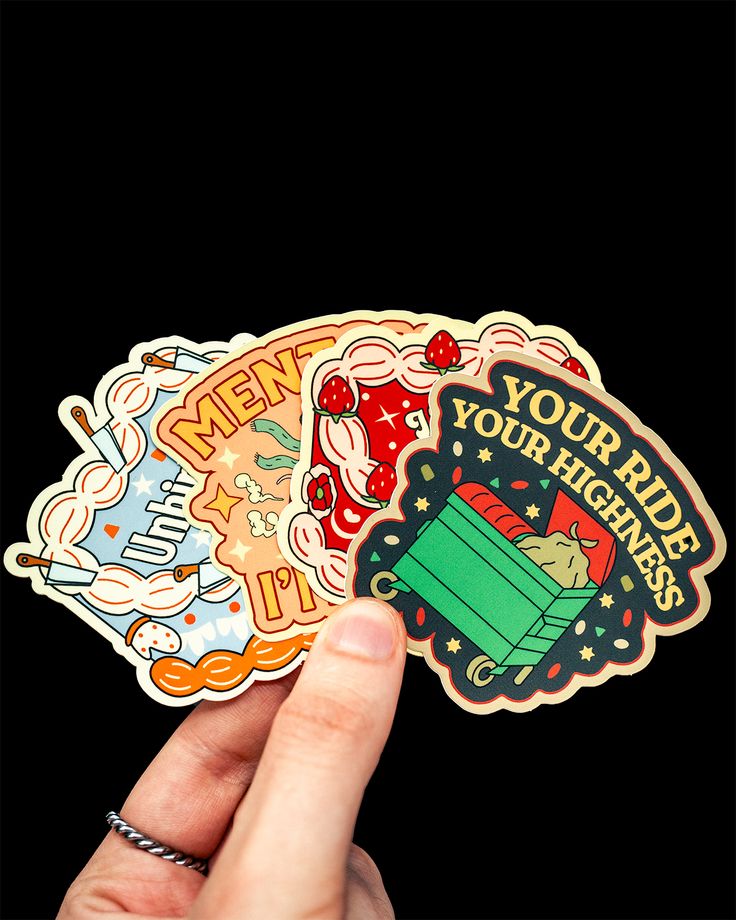
What Causes Stickers to Peel Off?
You stick a sticker on your laptop. A week later, the corners curl. A month later, it falls off.
Here’s the thing: peeling almost never happens “just because.” There’s always a specific reason. And once you know what to look for, you can stop it before it starts.
Dirty surfaces – Dust, skin oil, hand lotion, or even leftover manufacturing residue creates an invisible barrier. The adhesive never actually touches the surface — it touches the dirt on top of the surface. This is the #1 cause, by a lot.
Wrong adhesive for the surface – Not all adhesives work on all materials. Low-surface-energy plastics (like polypropylene or certain silicone blends) are notoriously hard to stick to. Regular sticker adhesive just slides off over time.
Air bubbles – That tiny bubble you ignored? It expands when warm and contracts when cold. Every cycle pulls a little more on the surrounding adhesive. Over weeks, that small bubble becomes a large lifted area.
Moisture and humidity – Water is adhesive’s enemy. A sweaty water bottle, a damp kitchen counter, or even high humidity can slowly creep under the sticker edge. Once moisture gets in, the adhesive starts to break down.
Frequent handling and abrasion – Every time you slide your laptop into a bag, you’re rubbing the sticker edges against fabric. Every time you grab your water bottle, your fingers push against the corners. Over time, that repeated contact wears down the adhesive at the edges.
Poor quality sticker materials – Thin vinyl (under 3 mil), weak adhesive, or no laminate. These save money upfront but peel much, much faster. You’re not saving money if you have to replace the sticker every month.
How to Prepare the Surface Before Applying Stickers
Here’s a truth that took me years to fully appreciate: surface preparation is not optional. You can have a perfect sticker, but on a dirty surface, it will peel. Every time.
Let me give you the exact routine — not vague advice.
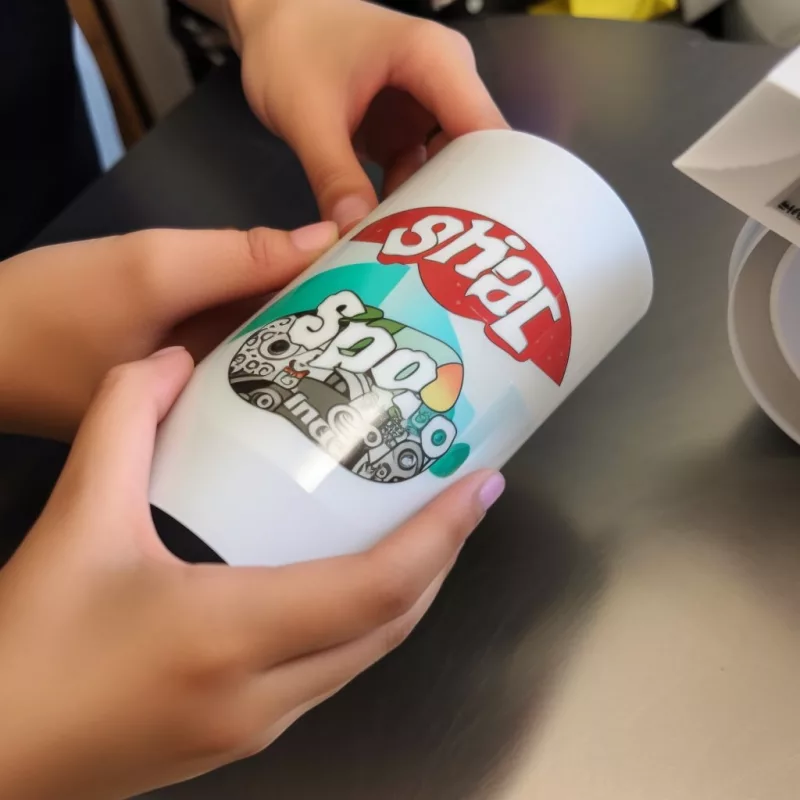
Step 1: Clean with the right thing – Use isopropyl alcohol (70% or higher). Not soap. Not glass cleaner. Not “multi-surface wipes.” Those often leave behind fragrances, oils, or anti-static agents that interfere with adhesion. Wipe the area thoroughly. You should see no residue on your cloth.
Step 2: Dry completely – Wipe with a clean, lint-free cloth. Then let it air dry for 1–2 minutes. If you can feel any coolness from evaporation, it’s not dry yet.
Step 3: Don’t touch the cleaned area – Once it’s clean, do not touch it with your bare fingers. Your skin leaves behind about 10–20 micrograms of oil per square centimeter. That’s enough to create a weak spot.
Step 4: Check the temperature – Adhesives have a sweet spot: between 50°F and 90°F (10–32°C). If your laptop or water bottle has been sitting in a cold car, let it warm up. If it’s been in direct sun, let it cool down. Cold adhesive is stiff and doesn’t flow. Hot adhesive can become too soft and ooze.
What about textured surfaces? For slightly rough surfaces (like some notebook covers or powder-coated metal), a very light scuff with 600-grit sandpaper can increase surface area and improve grip. But test this on a hidden spot first — you don’t want to ruin the finish.
Features of a High‑Quality, Peel‑Resistant Sticker
Not every sticker is built the same. In fact, the difference between a sticker that lasts two weeks and one that lasts two years comes down to a few specific features.
Here’s what actually matters — explained simply.
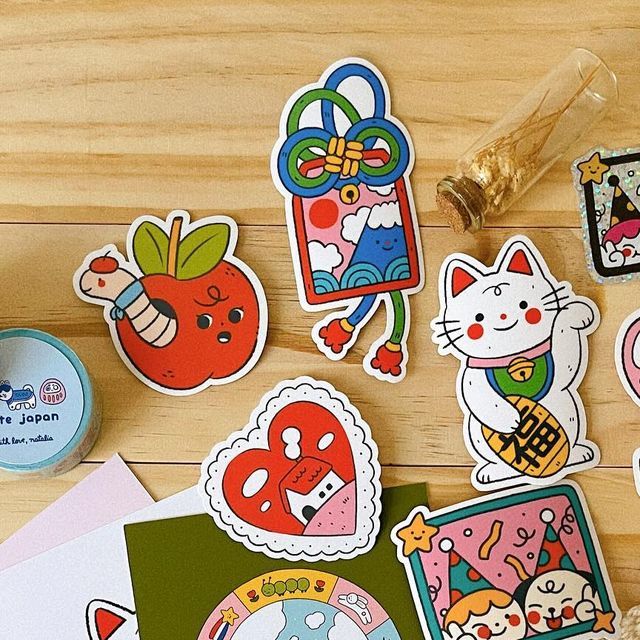
Vinyl, not paper – Paper stickers absorb moisture. They curl at the edges within days if they get wet. Vinyl is waterproof and holds its shape. For anything that will be touched, carried, or near liquid, vinyl is the only real choice.
Permanent acrylic adhesive – There are two main types of sticker adhesive: rubber-based and acrylic-based. Rubber-based feels sticky at first but dries out and becomes brittle over time. Acrylic stays flexible and maintains its bond for years. Most cheap stickers use rubber-based. Good stickers use acrylic.
Adhesive thickness matters – A thicker adhesive layer (measured in microns) can fill in microscopic surface irregularities better than a thin one. That’s why the same sticker on the same surface can perform differently depending on how much adhesive was applied at the factory.
Lamination – A clear laminate layer does three things: it protects the printed ink from UV fading, it adds scratch resistance, and — this is important — it seals the edges of the sticker. Unlaminated stickers have exposed cut edges where moisture can start creeping in.
Rounded corners – This sounds like a tiny detail, but it’s not. A sharp 90-degree corner has two edges meeting at a point. That point lifts more easily. A rounded corner distributes stress more evenly. Stickers with rounded corners peel significantly less over time.
Minimum 3.5 mil thickness – “Mil” is a unit of thickness (1/1000 of an inch). A typical cheap sticker is around 2 mil. It feels thin and flimsy. A quality sticker is 3.5 mil or thicker. It resists tearing, handles curves better, and feels more substantial.
At StickerForgeco, every sticker uses 3.5 mil vinyl with permanent acrylic adhesive, a clear laminate, and rounded corners as standard. We don’t cut corners — literally or figuratively.
Advantages of Proper Application Techniques
You can buy the best sticker in the world. But if you apply it poorly, it will still peel. I’ve seen this happen more times than I can count.
The good news? Good technique is easy. Here’s exactly what works.
Apply at room temperature – This might sound silly, but it’s true. Adhesives are designed to flow and bond within a specific temperature range. Too cold? The adhesive is stiff and won’t make full contact. Too hot? It becomes too soft and can ooze or shift. Wait for the right conditions.
Choose the flattest spot available – On a laptop, avoid the edge of the lid or the hinge area. On a water bottle, find the smoothest, least curved section. The flatter the surface, the more adhesive contact you get.
Peel from the backing carefully – Peel the backing off the sticker, not the sticker off the backing. Bend the backing paper, not the sticker. This keeps the sticker flat and prevents accidental curling.
Use a credit card or squeegee – Don’t just press with your finger. Your finger applies uneven pressure. A hard, flat edge — a credit card, a library card, a real squeegee — applies even pressure across the entire sticker.
Apply from the center outward – Stick the center down first. Then smooth outward toward the edges. This pushes air out instead of trapping it. If you start at an edge and lay it down flat, you’re almost guaranteed to trap bubbles.
Press firmly for 15–30 seconds – Stickers use pressure-sensitive adhesive. That means pressure activates the bond. A quick tap isn’t enough. Apply firm, steady pressure over the entire sticker.
Burnish the edges – After the sticker is down, run your fingernail or a cloth along all the edges. This seals them down and removes any remaining microscopic gaps.
Wait 24 hours before heavy use – Adhesives continue to bond over time. In the first 24 hours, the bond strength increases by about 70%. Don’t wash the bottle. Don’t put the laptop in a bag. Don’t handle it roughly. Just let it sit.
How to Protect Stickers After Application
Even the toughest stickers need a little care. Good habits make a real difference in how long they last.
Hand wash only – Dishwashers use water temperatures of 120–160°F (50–70°C) plus harsh detergents. That combination will weaken most adhesives within a few cycles. Even “dishwasher safe” stickers are a gamble. Hand wash with mild soap and a soft cloth.
Don’t scrub the sticker – Use a soft cloth, not a scrub brush or abrasive sponge. Scrubbing directly on the sticker wears down the laminate and can lift the edges over time.
Avoid prolonged soaking – Don’t leave a stickered water bottle sitting in a sink full of water. Even waterproof stickers have edges. Prolonged moisture finds those edges.
Use a clear case when possible – If your sticker is on a phone or laptop, a clear case is the best protection. The case takes the abrasion, not the sticker. You get to show off your sticker, and it stays protected.
Optional: seal the edges – For stickers on frequently handled items, a thin layer of clear nail polish along the edges can add significant protection. Use a toothpick to apply a very thin line — don’t flood it. Let it dry completely for 2 hours.
Reapply sealant over time – If you used a clear coat spray or nail polish, check it every few months. Reapply when you notice wear. That extra layer is sacrificial — it wears down so your sticker doesn’t have to.
StickerForgeco: Your Reliable Custom Sticker Supplier
You now know how to prep surfaces, apply correctly, and protect your stickers. But honestly? The main part is choosing the right sticker to begin with — especially one made for your specific needs.
That’s where StickerForgeco comes in.
We make custom, durable, waterproof vinyl stickers designed for daily use — on water bottles, laptops, notebooks, skateboards, phone cases, and everything in between. Want a specific shape, size, or design? We’ve got you covered.
Here’s what you actually get when you go custom with us:
3.5 mil vinyl – Thick enough to resist tearing, thin enough to conform to slight curves
Permanent acrylic adhesive – Stays flexible for years. Won’t dry out or become brittle
Clear laminate – Protects against scratches, UV, and moisture. Edges stay sealed
Rounded corners – Less lifting. It’s a small detail that makes a real difference
Custom shapes and sizes – Die-cut to your exact design. No ugly white borders unless you want them
Application guide included – One-page, no-jargon guide with every order. Clean, stick, press, wait
Small-batch friendly – 10 stickers or 10,000 — same materials, same quality
So if you’re tired of stickers that fade, curl, or flake after a few days, it might be time to switch to custom ones that are actually made to last — and made to look exactly like you imagined.
We’re StickerForgeco. We make custom stickers that stay where you put them — until you decide otherwise.
FAQ of How to Keep Stickers from Peeling Off
Q1: Can I put a sticker on a water bottle that goes in the dishwasher?
No. Dishwashers reach 140–160°F (60–70°C) and use strong detergents. Even our best stickers will peel. Hand wash only. This is non-negotiable.
Q2: Will a sticker stick to my silicone phone case?
Probably not well. Silicone is a low-surface-energy material. Most adhesives simply don’t bond to it for more than a few days. Hard plastic cases work much better. If you love your silicone case, put the sticker inside a clear hard case over it.
Q3: My laptop gets warm — will that cause peeling?
Normal laptop warmth (30–40°C / 85–105°F) is fine. But avoid placing stickers directly over ventilation grills or heat pipes. Those spots can reach 50–60°C, which softens adhesive over time.
Q4: How do I remove a sticker without damaging my laptop?
Warm it gently with a hairdryer on low heat for 10–15 seconds. Peel slowly from a corner at a 45-degree angle. Use a little rubbing alcohol to remove any residue. No sharp tools. No pulling fast.
Q5: What’s the #1 mistake people make?
Touching the sticky side with their fingers. Your skin leaves oil. That oil creates a permanent weak spot. Always hold the sticker by its edges or use tweezers if you have very oily skin.






 +8618128095554
 sales@stickerforgeco.com
 +8618128095554