
Get bulk orders for 30% less than local suppliers, plus free samples.
Get bulk orders for 30% less than local suppliers, plus free samples.
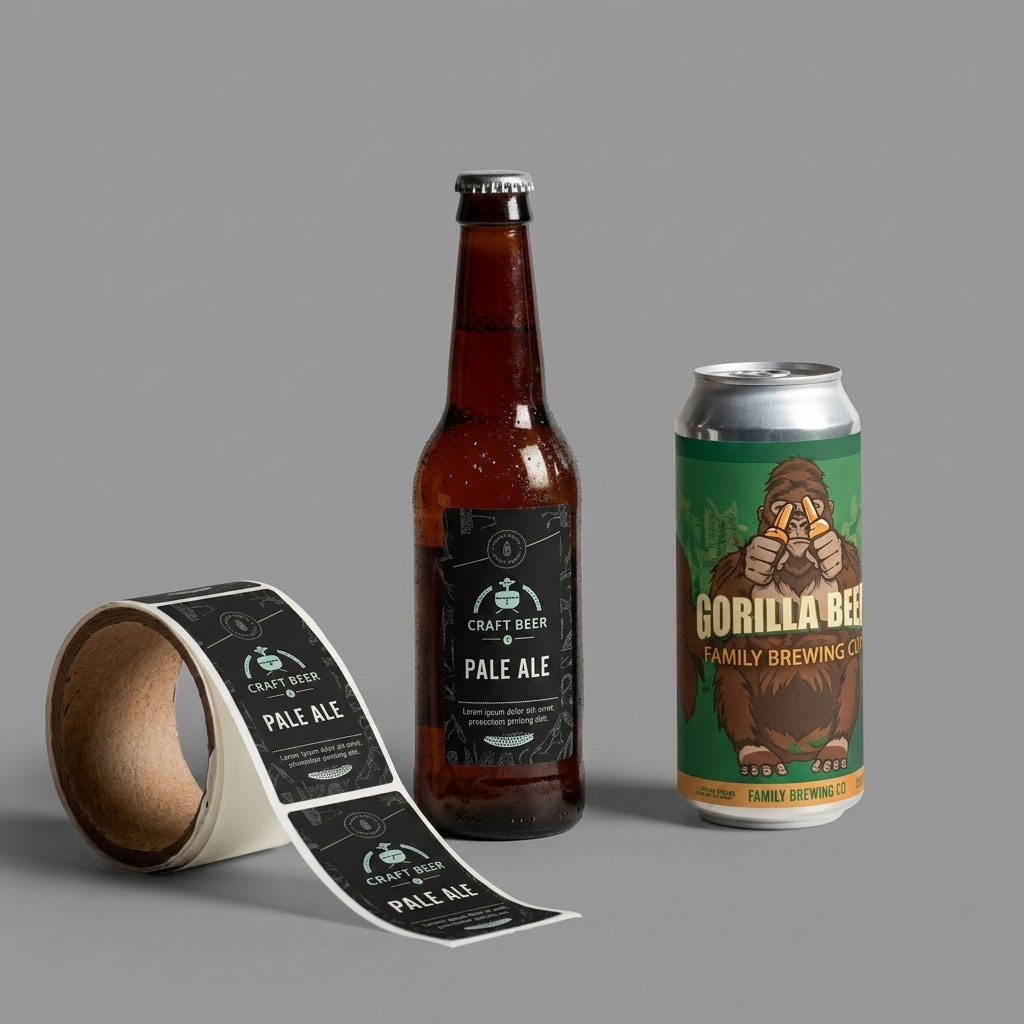
A beer label is a printed piece of material attached to a beer bottle, can, or keg to display essential information about the product. This includes the brand name, beer style, alcohol by volume (ABV), ingredients, brewing date, and often a unique design that reflects the brewery's identity.
Beer labels serve multiple purposes. They inform consumers about what they are drinking. They create brand recognition. They comply with legal requirements for alcohol labeling. And perhaps most importantly, they help a beer stand out on crowded retail shelves or at a busy taproom.
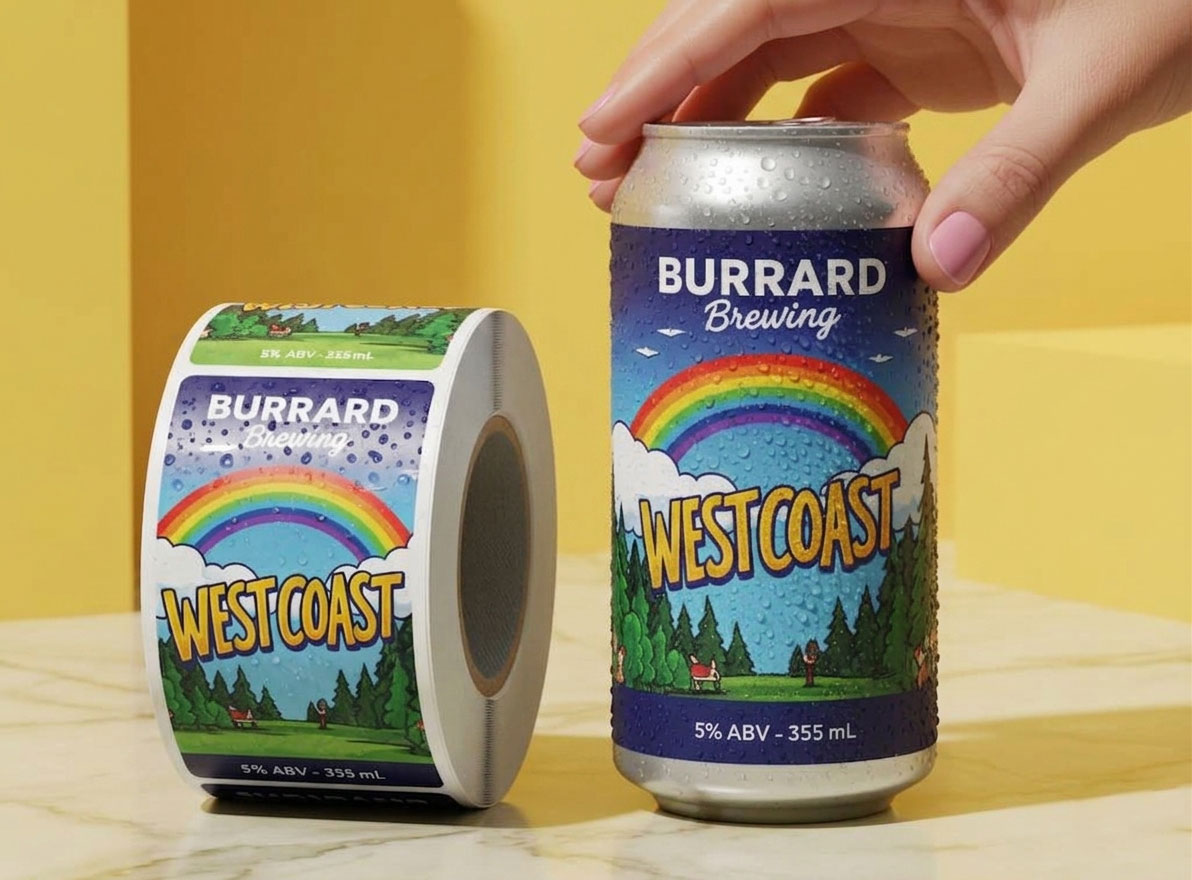
Beer labels come in several types:
Body label – the main label wrapped around the bottle, typically the largest and most visible
Neck label – a smaller label placed on the bottle neck, often used for brand logos or secondary messaging
Back label – typically contains ingredients, ABV, brewing notes, and legal disclaimers
Keg collar – a tag or sleeve used on kegs for identification and tapping instructions
Shrink sleeve – a full-body sleeve that shrinks to fit the container shape, offering 360-degree branding
This guide focuses on pressure-sensitive beer labels – the most common type for craft breweries and homebrewers – with an emphasis on materials that withstand ice water, condensation, and refrigeration. Pressure-sensitive labels are self-adhesive and simply peel and stick to the bottle, making them easy to apply by hand or with automated labeling equipment.
A high-quality beer label must deliver several important features to perform well in real-world conditions. Here are the key features that matter most:
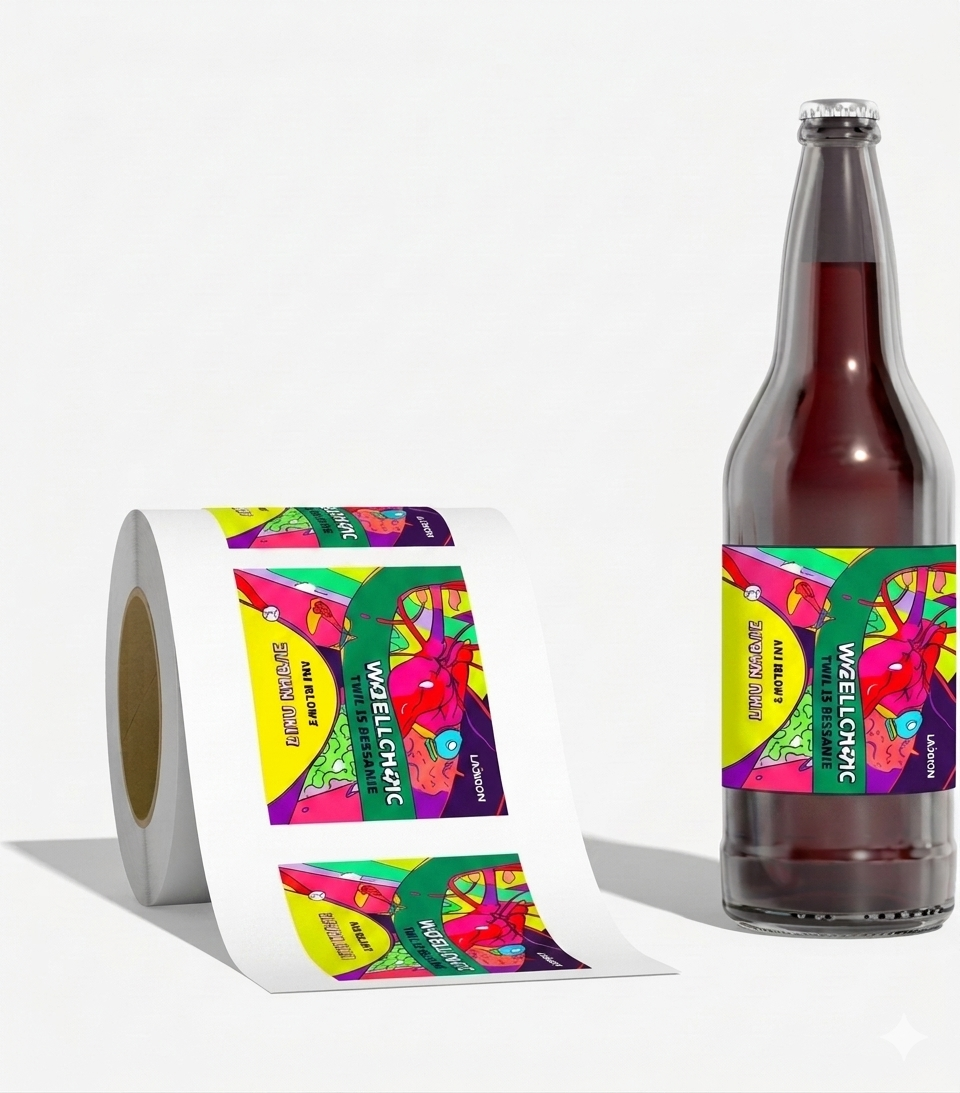
Water and Moisture Resistance
A beer label must resist condensation from the fridge and direct contact with ice water in coolers. Without this feature, the label will peel, smear, or fall apart. Think about a six-pack sitting in a bucket of ice at a summer barbecue – the labels on the bottom bottles are submerged for hours. Only a truly water-resistant or waterproof label will survive that environment.
Low-Temperature Adhesion
The adhesive on a beer label must remain strong in cold environments. Many standard adhesives become brittle or lose grip when refrigerated or placed on ice. When a consumer pulls a cold bottle from the fridge, condensation forms immediately. A poor adhesive will let the label slide or curl at the edges. A quality cold-temperature adhesive actually bonds more securely as the bottle cools.
Scratch and Scuff Resistance
Beer bottles often rub against each other in coolers, bags, or retail shelves. A durable beer label resists scratching so the design stays readable and attractive. Scratched labels look unprofessional and can make a brand appear careless. Laminated labels offer significantly better scratch protection than unlaminated ones.
Excellent Print Quality
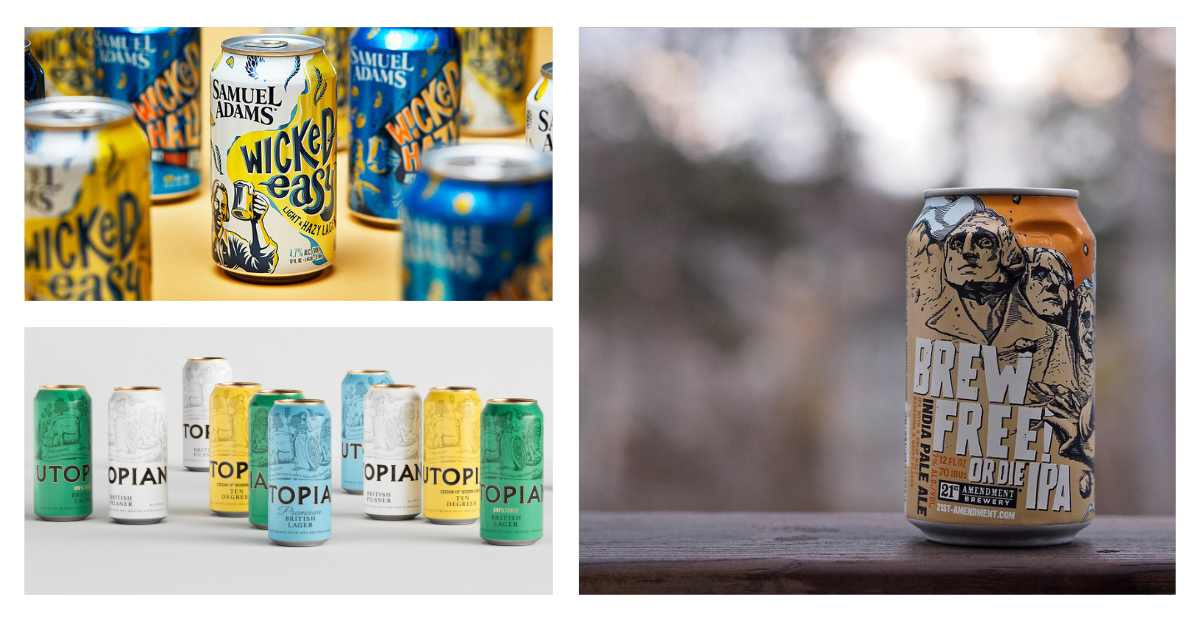
Beer labels are a key marketing tool. They need sharp text, vibrant colors, and the ability to support special finishes like foil stamping, embossing, or spot UV. A blurry or poorly printed label damages brand perception. High-quality digital or offset printing ensures that fine details – like small ingredient text or intricate illustrations – come out crisp and clear.
Conformability to Curved Surfaces
Beer bottles are round. A good beer label wraps smoothly without wrinkles, bubbles, or edges that lift over time. Thin, flexible materials like BOPP conform better than stiff materials like thick paper or PET. The adhesive also plays a role – a well-formulated adhesive allows the label to "wet out" fully against the glass surface.
Customizable Adhesion Strength
Some breweries want permanent labels that stay on through the entire drinking experience. Others – especially those with bottle return programs – need wash-off adhesives that allow easy label removal during cleaning. Permanent adhesives are designed to be difficult to remove. Wash-off adhesives hold firmly during use but release cleanly in hot, alkaline washing solutions.
Food Contact Compliance
Beer labels may indirectly contact the beverage during application or handling. Quality beer label materials comply with relevant food safety standards. This is particularly important for breweries selling across state or national borders, where regulations may require specific certifications.
Several material families are used to manufacture beer labels. Each has different strengths, weaknesses, and cost profiles. Understanding these differences is the first step toward choosing the right material for your specific needs.
Paper labels are made from coated or uncoated paper stock. They have been used for decades and remain popular for certain applications. Common types include:
Coated paper – smooth surface, good for offset and digital printing, offers decent water resistance for short periods
Art paper – premium feel, often used for craft beer labels that want a high-end, tactile experience
Kraft paper – natural, rustic appearance for specialty brews, often paired with minimalist designs
Paper labels are biodegradable and recyclable, which appeals to environmentally conscious brands. However, they perform poorly in wet conditions. Even coated paper will eventually absorb moisture from condensation or ice water, leading to wrinkling, tearing, or adhesive failure.
Synthetic labels are made from plastic-based films. They are engineered specifically for challenging environments like refrigeration, ice contact, and outdoor use. The most common options are:
BOPP (Biaxially Oriented Polypropylene) – the industry standard for beer labels. BOPP is thin, flexible, waterproof, and accepts high-quality printing. It offers the best balance of performance and cost.
PET (Polyester) – more heat-resistant and rigid than BOPP. PET is ideal for bottles that go through industrial dishwashers or pasteurization. It is also more expensive and less flexible.
PE (Polyethylene) – softer and more squeezable, often used for flexible packaging like plastic bottles or pouches. PE is less common for glass beer bottles.
For unique branding effects, some breweries choose specialty materials:
Foil labels – metallic finish for high-end presentation, often used for anniversary releases or premium lines
Thermochromic labels – change color when the beer reaches the optimal drinking temperature, adding an interactive element
Wash-off adhesive labels – designed for easy removal in bottle washing systems, commonly used in deposit-return schemes
| Material | Water Resistance | Cold Adhesion | Flexibility | Cost | Best Use Case |
|---|---|---|---|---|---|
| Coated Paper | Low | Low | Medium | $ | Dry shelf display, short-term |
| BOPP | High | High | High | $$ | Ice coolers, fridge, most craft beers |
| PET | Very High | High | Low | $$$ | Extreme conditions, long submersion |
| PE | High | Medium | Very High | $$ | Squeezable bottles, non-glass containers |
Features:
100% waterproof base material that will not absorb moisture
Tear-resistant and durable even when wet
High transparency (clear BOPP) or opaque white options
Excellent printability for digital and offset presses
Compatible with permanent, removable, and wash-off adhesives
Available thicknesses from 2 mil to 4 mil
Benefits:
Best price-to-performance ratio for beer labels
Survives ice water, condensation, and extended fridge storage
Does not curl or wrinkle when applied to curved bottles
Can be produced with short lead times and low minimum orders
Available in both vinyl sticker glossy and vinyl sticker matte finishes to match any brand aesthetic
Performs consistently from refrigerator to room temperature
Verdict: BOPP is the #1 recommended material for most breweries and homebrewers. For the combination of durability, appearance, and cost, no other material matches it.
Features:
Natural, organic feel and appearance
Biodegradable and recyclable
Low material cost – often 30-50% less than synthetic alternatives
Good print quality for high-resolution designs
Available in many textures, colors, and weights
Benefits:
Perfect for short-run, special edition, or gift beers that will not see ice
Provides a premium, handmade aesthetic that many craft drinkers appreciate
Works well when bottles are displayed on dry retail shelves or given as gifts
Easier to remove for bottle return programs when paired with wash-off adhesive
Limitations: Paper labels fail quickly in ice water or high-condensation environments. Even high-quality coated paper will wrinkle, tear, or lose adhesion after a few hours in a cooler. For any beer that will be served cold and wet, paper is not recommended.
Features:
High heat resistance – withstands temperatures up to 150°C (300°F)
Very stiff and rigid – holds shape well
Strong chemical and scratch resistance
Excellent clarity for clear label applications
High tensile strength – resists tearing under stress
Benefits:
Best for beer bottles that go through industrial dishwashers or pasteurization tunnels
Withstands long-term submersion better than BOPP or paper
Ideal for high-end or export products that face extreme shipping conditions
Maintains appearance after multiple wash cycles
Limitation: PET is less flexible than BOPP, which can make application on highly curved bottles more difficult. It is also more expensive – typically 20-40% higher than BOPP. For most standard beer labeling needs, PET is overkill.
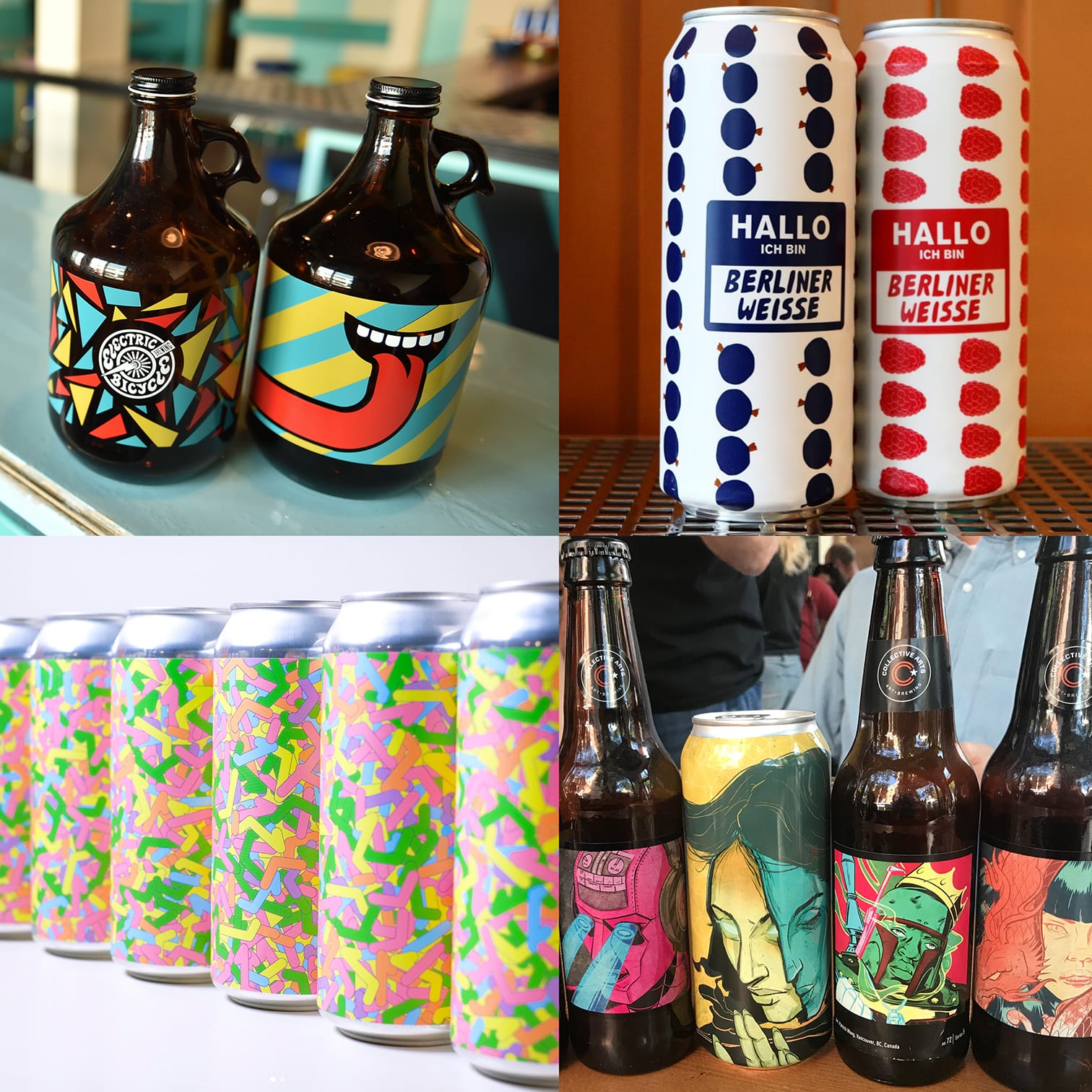
Adding a laminate or topcoat enhances any beer label material. Lamination is a thin plastic layer applied over the printed surface. It provides:
Waterproof sealing – prevents moisture from wicking into the cut edges of the label
Scratch protection – keeps the design looking new even after handling and rubbing
UV resistance – prevents fading from sunlight exposure, important for beers stored in clear coolers or outdoor displays
Enhanced appearance – gloss finish adds pop and vibrancy; matte finish adds a smooth, modern feel
Chemical resistance – protects against spills, oils, and cleaning solutions
For ice cooler use, we always recommend laminated beer labels. An unlaminated label – even on BOPP – will scratch and wear faster. The lamination layer takes the abuse so the printed design underneath stays perfect.
Selecting the right beer label material depends on several factors. Here is a decision framework based on common use cases, printing methods, and brand goals.
| Scenario | Recommended Material | Why |
|---|---|---|
| Short-term fridge storage (1-2 weeks) | Quality coated paper or BOPP | Both work; paper is cheaper if no ice contact |
| Ice bucket or ice water (hours to days) | Laminated BOPP | Waterproof, cold-adhesive holds, scratch-resistant |
| Craft beer / premium gift packaging | Art paper + spot lamination or BOPP matte | Premium feel with protection where needed |
| Bottle return / deposit program | Wash-off adhesive + paper or BOPP | Label removes cleanly in washing system |
| Outdoor event, beach, or camping | Laminated BOPP or PET | Highest durability against sun, sand, and water |
| Beer sold in clear glass or display coolers | Laminated BOPP with UV protection | Prevents fading from sunlight exposure |
| Homebrew competitions | BOPP or high-quality paper | Depends on whether bottles go into ice |
Digital printing – Best for short runs (50 to 5,000 labels), variable data (different names or numbers on each label), and quick turnaround (1-3 days). Digital works well on BOPP and paper. It has higher per-unit cost but no setup fees.
Offset printing – Best for large volumes (10,000+ labels), consistent color across long runs, and lower per-unit cost. Offset requires higher minimum quantities and setup fees but becomes very economical at scale.
Rustic, handmade, organic – Kraft paper or uncoated paper with minimal finishing
Modern, colorful, bold – Glossy BOPP with vibrant, saturated colors
Premium, understated, elegant – Matte BOPP with soft-touch laminate
Metallic or luxury – Foil paper or BOPP with metallic finish
Minimalist, clean – Clear BOPP with simple typography
No matter which material you choose, proper application is essential. Here are the steps for success:
Clean the bottle surface – Remove dust, grease, or residue with isopropyl alcohol
Apply at room temperature – Labels adhere best between 18-25°C (65-75°F)
Use firm pressure – Press from center outward to eliminate air bubbles
Allow cure time – Let labels sit for 24 hours before refrigeration or wet exposure. This allows the adhesive to fully bond.
After reviewing all common beer label materials, the conclusion is clear. For most breweries, homebrewers, and beer brands, laminated BOPP delivers the best combination of durability, appearance, and value.
BOPP beer labels resist ice water, condensation, and scratching. They adhere firmly in cold temperatures. They print beautifully with sharp text and vivid colors. And they are available in both Vinyl Sticker Glossy and Vinyl Sticker Matte finishes to match any brand aesthetic.
Paper labels work well only for dry, short-term applications. They have a beautiful natural feel but cannot survive wet environments. PET labels are excellent but often overkill for standard beer labeling needs – they are best reserved for extreme conditions like industrial dishwashers or long-term submersion.
For the vast majority of use cases – from a homebrew competition to a regional craft brewery – laminated BOPP is the recommended choice. The right material, combined with proper application on clean glass bottles and 24 hours of cure time at room temperature, will produce beer labels that last through the last bottle in the cooler.
When you are ready to order, work with a supplier that understands the specific demands of beer labeling. Look for digital printing options that allow small batches, factory direct pricing that saves money, and reliable delivery timelines.
StickerForgeco is a Premium Custom Labels Manufacturer. We specialize in producing high-quality custom stickers and custom labels for breweries, beverage brands, and businesses across many industries. Whether you need beer labels, water bottle stickers, or product packaging labels, we have the expertise and equipment to deliver.
No Minimum Order (Digital Printing)
You don't need to order 10,000 labels to get professional quality. Our digital printing capability allows us to produce small batches – as few as 50 or 100 sheets of custom stickers. This is perfect for homebrewers testing a new recipe, breweries launching a seasonal beer, or brands running a limited edition. You can order exactly what you need, no more, no less.
Factory Direct Pricing (Save 30%)
By manufacturing our own labels in-house, we eliminate middleman markups. Our factory direct pricing typically saves customers 30% compared to resellers and print brokers. You pay for the label – not for layers of distribution, not for project management fees, not for brand licensing. Just high-quality labels at fair prices.
9-Day Global Delivery
We know that timing matters in the beverage industry. Whether you have a beer release date, a festival deadline, or a seasonal launch, you cannot afford delays. Our 9-day global delivery service gets your beer labels where they need to be – fast. From our production floor to your door, we manage the logistics so you can focus on brewing great beer.
BOPP beer labels – glossy or matte finish, clear or white
Paper beer labels – coated, art paper, and kraft options
PET beer labels for extreme durability and heat resistance
Lamination and protective coatings – gloss, matte, or soft-touch
Permanent or wash-off adhesives – choose what fits your bottle return system
Custom shapes, sizes, and finishes – foil stamping, embossing, spot UV, and more
Digital and offset printing – we match the method to your quantity
Stop worrying about labels that peel, fade, or curl. Partner with StickerForgeco for beer labels that perform as good as they look. Whether you need Vinyl Sticker Glossy, Vinyl Sticker Matte, or any other custom stickers for your brand – we are ready to help.
Visit our website or contact our team to discuss your beer label project. No minimum order. Factory direct pricing. Global delivery in 9 days. Your beer deserves a label that lasts. Let us make it happen.
Is a BOPP beer label 100% waterproof?
Yes. The BOPP material itself is fully waterproof. However, for the label to perform perfectly in ice water, the adhesive must be rated for cold/wet conditions and the label should have a protective topcoat or laminate to seal the cut edges.
Why does my beer label curl in the fridge?
Curling usually happens for one of three reasons: the label material is paper-based and absorbed moisture from condensation; the adhesive is not rated for low temperatures; or the label was chilled before the adhesive fully bonded (labels need 24 hours at room temperature to cure).
Which lasts longer: matte or glossy beer label?
Both matte and glossy laminates offer similar durability. Glossy resists scuff marks slightly better. Matte hides fingerprints and condensation droplets better. Choose based on your brand aesthetic, not durability concerns.
Can I get small batches of custom beer labels?
Yes. Digital printing allows very low minimum quantities – sometimes as low as 50 or 100 sheets of custom stickers. This makes it affordable for homebrewers and small breweries testing new designs.
Do I need a laminate on my beer label?
For any beer label that will see moisture, ice, or heavy handling, yes – lamination is strongly recommended. It provides scratch resistance, water sealing, and UV protection. For labels that stay completely dry, lamination is optional but still beneficial.



 +8618128095554
 sales@stickerforgeco.com
 +8618128095554