
Get bulk orders for 30% less than local suppliers, plus free samples.
Get bulk orders for 30% less than local suppliers, plus free samples.
You spend weeks perfecting your product packaging, designing a logo that captures your brand identity, and sourcing the perfect box or bottle. Then you stick a label on it—and within days, that label starts peeling at the corners, fading in the sun, or leaving sticky residue when someone tries to remove it.
That small, seemingly insignificant sticker just made your entire product look cheap. Customers notice. They associate peeling labels with corner-cutting, and they start questioning what else you might have skimped on inside the package.
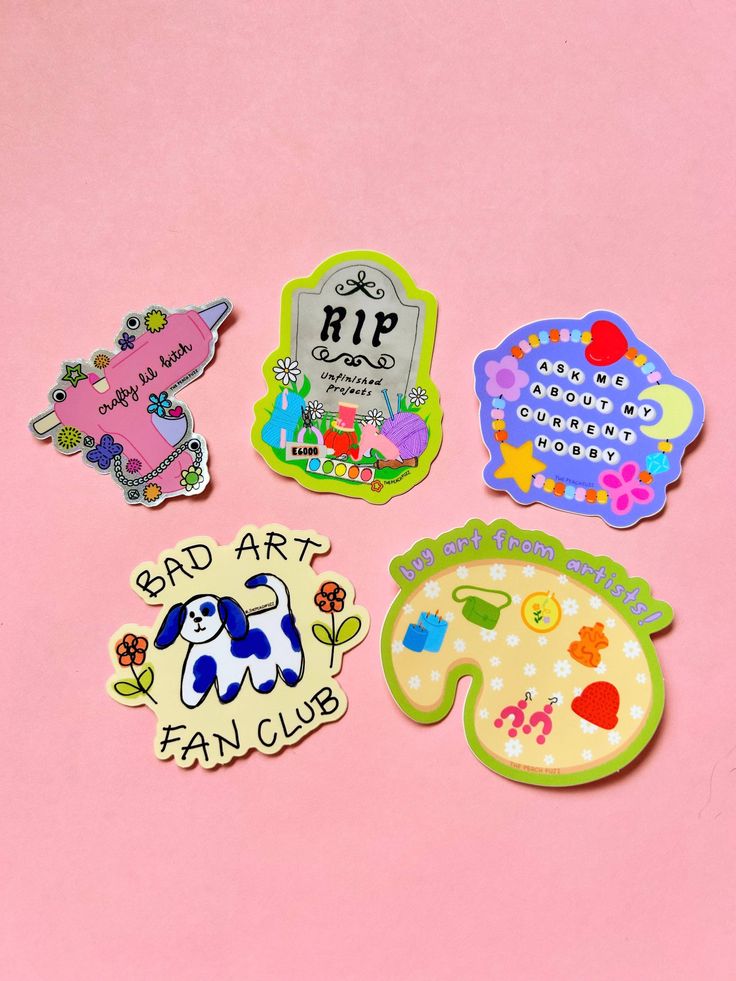
The truth is, not all stickers and labels are created equal. Many businesses learn this the hard way after ordering from budget vendors who promise low prices but deliver materials that fail in real-world conditions. High-quality stickers and labels are not a commodity—they are engineered products that require the right materials, adhesives, printing processes, and quality control.
This guide will walk you through exactly what makes a sticker truly good quality, how to identify problems before you place an order, and why choosing the right manufacturing partner matters more than finding the cheapest price.
You cannot judge a sticker's quality by looking at a JPG on a computer screen. Real quality is defined by physical components—the materials, adhesives, protective layers, and cutting precision—that determine how the label performs in the real world.
A truly high-quality sticker must pass five critical tests: it must adhere firmly to its intended surface, resist moisture and temperature changes, withstand UV exposure without fading, survive normal handling without scratching, and maintain clean edges that look professional. If any of these elements fail, the sticker fails.
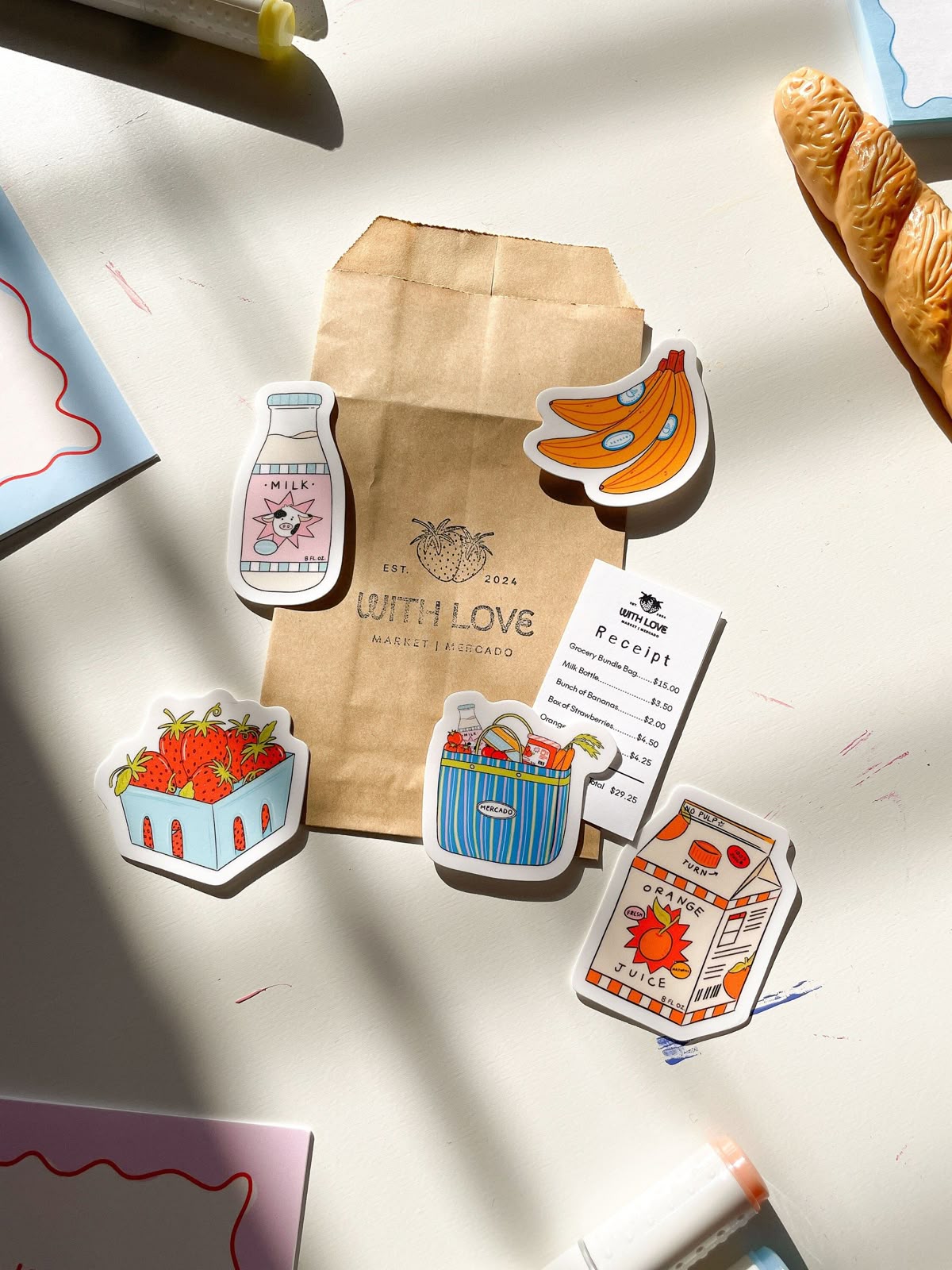
In Custom Panda's production facility, quality is measured by specific, verifiable standards. The vinyl must be between 3 and 6 mils thick—thin enough to conform to surfaces but thick enough to feel substantial and apply without wrinkling. The adhesive must be a permanent, solvent-based acrylic that bonds chemically to surfaces over 48 hours. The printing must achieve at least 1440 dpi resolution with eco-solvent or UV-cured inks that bite into the vinyl rather than sitting on top. And finally, a UV-resistant laminate must be applied to protect against sun, scratches, and chemicals.
Many budget label companies cut corners on one or more of these requirements. They use paper-based materials that absorb moisture, water-based adhesives that dry out, or no lamination at all. The result is a sticker that looks acceptable fresh off the printer but fails within weeks of real-world use.
Premium stickers and labels are distinguished by five key features that work together as a complete system:
Material: Outdoor-rated vinyl (PVC). This is the foundation.Vinyl is a plastic, not a paper, which means it is naturally waterproof and tear-resistant. The best stickers use vinyl thickness between 3 and 6 mils. Below 3 mils, the material feels flimsy and bubbles easily during application. Above 6 mils, it becomes too rigid for curved surfaces. Premium vinyl also includes UV stabilizers that slow down sun damage.
Adhesive: Permanent solvent-based acrylic. The glue is invisible but does all the work. Low-quality stickers use water-based adhesives that dry out and fail when exposed to humidity or heat. Permanent acrylic adhesive actually hardens over time through a process called curing. When applied properly, it bonds chemically to the surface, making the sticker difficult to remove after 48 hours. For difficult surfaces like textured plastic or powder-coated metal, high-tack adhesive options are available.
Print quality: High-resolution (1440 dpi or higher). A blurry or pixelated image screams amateur. Professional printing uses eco-solvent or UV-cured inks that penetrate the vinyl layer rather than sitting on top like desktop printer ink. This prevents scratching and fading. Quality prints show crisp text lines, solid colors, and no visible banding—those faint horizontal lines that appear when a printer head is clogged or moving too fast.
Cutting precision: Digital die-cutting. The edge of a sticker reveals the manufacturer's attention to detail. Traditional die-cutting uses metal dies that can crush material edges or leave rough burrs. Digital die-cutting uses a computer-controlled blade that traces the design with microscopic precision. Complex shapes, tight corners, and small cutouts are possible without jagged edges or paper dust. When you run a finger along the edge of a premium sticker, it should feel perfectly smooth.
Lamination: UV-resistant overlaminate. This is often the most overlooked feature and the most important for longevity. A raw printed vinyl sticker is good for indoor use, but a laminated sticker is built for the real world. Lamination is a clear plastic layer applied over the print. It acts as a sunscreen, blocking 98% of UV rays that fade colors. It also protects against physical scratches, moisture, and chemical exposure like gasoline or oil. Custom Panda refuses to ship outdoor stickers without lamination because un-laminated ink will begin fading in direct sunlight within months.
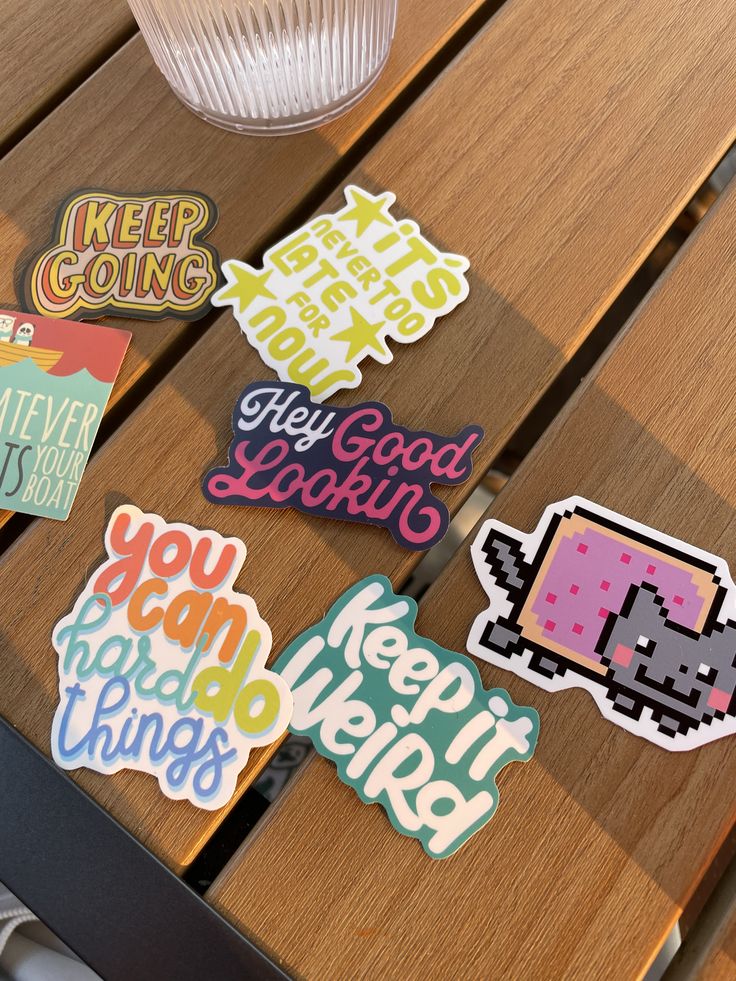
Consistency separates professional manufacturers from unreliable vendors. A single good batch of stickers is easy—delivering the same quality across thousands or hundreds of thousands of units requires systematic processes.
Professional manufacturers begin with file pre-flight checks. Every design file is examined before production begins. This includes checking resolution (minimum 300 dpi at final print size), color mode (CMYK, not RGB), and bleed margins (typically 0.125 inches beyond the cut line). Automated software catches some errors, but human inspection catches problems like font embedding issues or unexpected transparency effects.
Proofing is the next critical step. Any reputable manufacturer provides a digital proof showing exact cut lines, color representation, and scaling. This proof allows customers to verify that critical elements like logos or barcodes are not cut off. Custom Panda provides unlimited free proofs because getting the layout right before production is far cheaper than reprinting after a mistake.
Material sourcing follows strict specifications. Vinyl, adhesive, ink, and laminate all come from established suppliers with documented performance data. Professional manufacturers do not substitute materials without customer approval. Each material roll is logged with batch numbers for traceability in case of future issues.
Printing and curing require controlled environments. Temperature and humidity affect how ink bonds to vinyl. Eco-solvent inks need time to outgas before lamination—rushing this step traps solvents under the laminate and causes bubbles or adhesion failure. UV-cured inks cure instantly but require precise UV lamp calibration.
Quality inspection happens at multiple stages. Printed sheets are checked for color consistency and defects like ink spatter or missing dots. After lamination, the adhesive side is inspected for contamination. Finally, die-cut sheets are examined for clean edges and proper kiss-cutting depth—cutting too deep damages the backing paper; too shallow makes the stickers hard to peel.
Batch sampling ensures ongoing consistency. For production runs, random samples are pulled and tested for adhesion, scratch resistance, and dimensional accuracy. Any deviation triggers a full inspection and potential reprint.
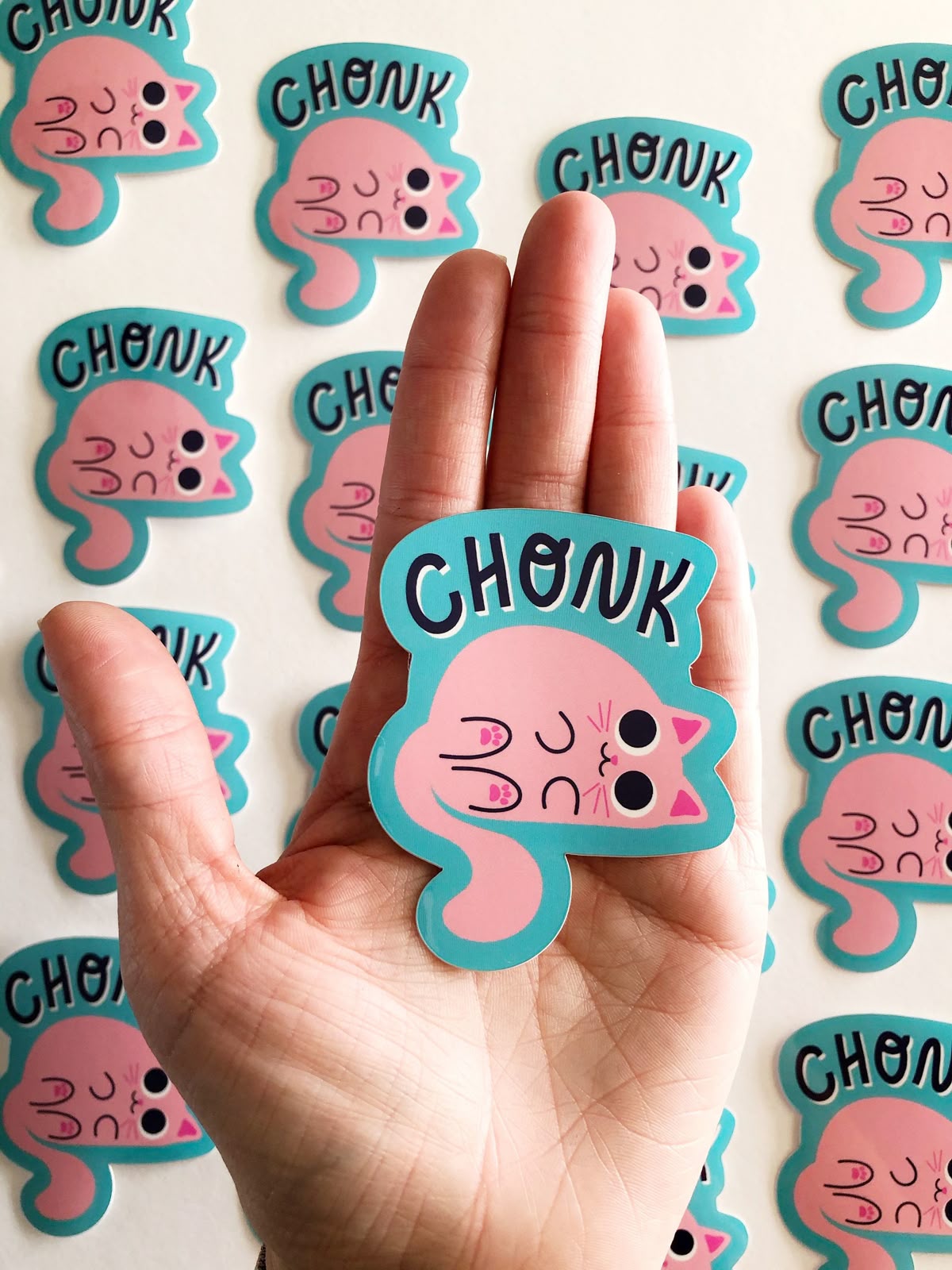
Ordering custom stickers online feels risky because you cannot touch the material before paying. However, there are reliable indicators that separate legitimate manufacturers from budget resellers.
Look for free, unlimited design proofs. This is the most important indicator of a quality-focused manufacturer. Companies that charge for proofs or limit revisions are prioritizing speed over accuracy. Unlimited proofs show that the manufacturer cares about getting your order right. During the proof stage, pay attention to whether the vendor flags potential problems—blurry images, missing bleed, or font issues. A manufacturer that catches your mistakes before printing is worth far more than one that simply processes whatever you upload.
Demand human customer support. Automated chatbots and ticket systems cannot answer nuanced questions about material suitability. Quality manufacturers provide access to knowledgeable staff who understand print production. Before ordering, ask a specific question like "Which adhesive works best for textured plastic containers?" or "How does your vinyl perform in freezer temperatures?" The response quality reveals their expertise.
Verify transparent lead times. Quality custom manufacturing takes time. Be skeptical of claims like "same-day shipping" for complex die-cut orders. Ink needs time to cure. Adhesive needs time to bond. Rushing these processes leads to peeling or smudging later. A reliable manufacturer clearly separates production time (printing, laminating, cutting) from shipping time (transit to your door). If they are upfront about realistic timelines, that is a good sign.
Read reviews that mention durability—not just shipping speed. Anyone can ship fast. What matters is whether stickers survive six months on a car bumper or a year in a commercial freezer. Look for reviews from customers who actually tested the stickers in real-world conditions. "Colors still bright after a year outdoors" is meaningful. "Arrived quickly" is not.
Order a sample before committing to volume. Even with all the right indicators, a physical sample is the ultimate test. Professional manufacturers offer sample production—sometimes free, sometimes at a small cost. Apply that sample to your actual product. Leave it in a window for a week. Wash the container. The sample will reveal any gap between expectations and reality.
Choosing a professional manufacturer over a budget vendor delivers advantages that extend far beyond the sticker itself.
Durability that protects your brand image. A peeling or faded sticker sends a powerful negative message about your attention to detail. Professional-grade materials ensure your labels look good for the entire lifespan of your product—whether that is weeks on a food container or years on outdoor equipment. Customers judge your product by every detail, and the label is often the first detail they touch.
Consistency across large orders. Budget vendors might deliver acceptable quality on a small sample run, but fall apart when scaling to thousands of units. Professional manufacturers maintain consistent material sourcing, calibrated equipment, and documented processes. Every batch matches the sample. Every sticker in a 100,000-unit order looks identical to the first.
Proper material matching to your application. A beer bottle label needs different adhesive than a car bumper sticker. A freezer label requires different vinyl than a sunscreen bottle label. Professional manufacturers guide you toward the right material for your specific use case rather than offering a one-size-fits-all product that works poorly for everyone.
Lower total cost of ownership. Cheap stickers seem economical until you factor in reprints, customer complaints, and brand damage. A sticker that costs 0.25 and lasts. Professional manufacturers help you avoid the hidden costs of quality failures: returned products, replaced labels, and lost customer trust.
Technical support for complex requirements. Barcode labels need specific contrast ratios to remain scannable. Safety labels need specific adhesion levels to remain attached. Chemical-resistant labels need tested material compatibility. Professional manufacturers provide technical documentation and application guidance that budget vendors cannot offer.
Customizing professional-grade stickers and labels follows a straightforward process. Understanding each step helps you plan effectively and avoid common mistakes.
Step 1: Define your requirements. Before contacting any manufacturer, answer these questions: Where will the sticker be applied? (Surface material, texture, curvature). What conditions will it face? (Sun exposure, moisture, temperature extremes, chemical contact). How long does it need to last? (Weeks, months, years). What shape and size? Does it need to be removable or permanent?
Step 2: Prepare your artwork. Design files should be created at actual size with 300 dpi minimum resolution. Use CMYK color mode—not RGB. Add 0.125 inches of bleed (extra background extending beyond the cut line) on all sides. Convert text to outlines or embed fonts to avoid substitution issues. Include a clear cut line layer if your shape is complex.
Step 3: Request a quote and proof. Submit your artwork and requirements to Custom Panda. Quote turnaround is typically 24-48 hours. If the artwork is approved, a digital proof is created showing exact cut lines, color representation, and scaling. Review this proof carefully. Check that text is legible, critical elements are not cut off, and colors match expectations. Request revisions if anything looks wrong.
Step 4: Approve the proof and start production. When the proof is approved, production begins. Standard production time ranges from 5-10 business days depending on complexity and quantity. During production, quality checks happen at multiple stages: after printing, after lamination, and after cutting.
Step 5: Receive and inspect your order. When stickers arrive, inspect several samples before using the entire batch. Check that edges are clean. Apply one to the intended surface. Test removal if removable adhesive was specified. Verify color accuracy under normal lighting. If any issues are found, document them with photos and contact Custom Panda immediately.
Step 6: Apply properly for best results. Clean the application surface thoroughly. Remove any dust, oil, or residue. Apply stickers at room temperature (ideally 70-80°F / 21-27°C). Use a squeegee or credit card to smooth from center outward, eliminating bubbles. For maximum adhesion, wait 48 hours before exposing the sticker to extreme conditions—this allows the adhesive to fully cure.
Custom Panda is a professional manufacturer specializing in custom stickers and custom labels, serving businesses across a wide range of industries. From automotive and transportation to industrial chemicals, electronics, durable goods, and beyond, Custom Panda delivers labeling solutions that meet the specific demands of each application.
What sets Custom Panda apart is a combination of manufacturing capability, pricing transparency, and global logistics designed to make high-quality custom labels accessible to businesses of all sizes.
No Minimum Order (Digital Printing)
Traditional label manufacturing often requires large minimum quantities to justify setup costs. Custom Panda removes this barrier with digital printing technology that produces professional-quality stickers and labels with no minimum order requirement. Whether a business needs 50 stickers for a prototype run, 500 for a seasonal promotion, or 50,000 for full production, Custom Panda accommodates every volume with the same attention to quality. Digital printing also enables rapid iterations and design changes without scrapping thousands of unused labels.
Factory Direct Pricing (Save 30%)
Many label vendors are brokers or resellers who mark up products from third-party factories. Custom Panda manufactures in-house, controlling every step from material sourcing to final cutting. By eliminating intermediaries, factory direct pricing typically saves customers 30% or more compared to broker-sourced alternatives. These savings go directly to the customer's bottom line—without compromising on vinyl thickness, adhesive quality, or lamination.
9-Day Global Delivery
Supply chain reliability matters. Custom Panda maintains a streamlined production and shipping process that delivers custom labels to most global destinations within 9 business days from proof approval. This predictable timeline helps businesses plan product launches, restocking, and seasonal campaigns with confidence. Expedited options are also available for urgent requirements.
Industry-Specific Expertise
Different industries have different labeling requirements. Automotive labels need oil and heat resistance. Chemical labels require compliance with hazard communication standards. Electronics labels demand static-dissipative materials and fine-detail printability. Custom Panda has experience across automotive, transportation, industrial chemicals, electronics, durable goods, and many other sectors. This expertise means customers receive material recommendations based on real-world application data, not generic suggestions.
Custom Panda Serves Many Industries
If a business uses labels, Custom Panda has likely manufactured something similar. The company provides custom label services for automotive components, shipping containers, industrial chemical drums, electronic devices, durable consumer goods, and more. Whether the requirement is waterproof, chemical-resistant, freezer-grade, or removable adhesive, Custom Panda delivers.
If you are looking for an industrial label manufacturer—or simply need high-quality custom stickers for any application—contact Custom Panda today. Share your artwork, describe your use case, and receive a quote with factory direct pricing, no minimum order pressure, and reliable global delivery.
Q1: How long should a quality outdoor sticker last?
A: A properly manufactured outdoor sticker with vinyl material, UV-resistant laminate, and permanent acrylic adhesive should last 3-5 years in direct sunlight and 5-7 years in shaded outdoor conditions. Without lamination, colors begin fading within 2-3 months in direct sun.
Q2: Can your stickers be applied to textured surfaces like plastic bins or powder-coated metal?
A: Yes, but standard adhesive may not be sufficient. Custom Panda offers high-tack adhesive specifically formulated for low-energy and textured surfaces. A sample test is recommended for critical applications.
Q3: Will the sticker leave residue when removed?
A: Standard permanent adhesive is designed to remain in place. For applications requiring clean removal (rental equipment, temporary displays), removable adhesive options are available. Removable stickers can typically be peeled off within one year of application without residue.
Q4: What is the minimum order quantity for custom stickers?
A: Custom Panda offers flexible quantities. Small runs start at 100 stickers for digital printing. Larger runs use screen printing or high-speed digital presses for cost efficiency. Contact with your specific quantity for a quote.
Q5: How do I ensure my logo colors match exactly?
A: Provide CMYK color values (Pantone spot colors are also accepted). Request a printed hard proof—Custom Panda can produce a physical sample before full production for color-critical orders. Note that monitor displays vary; printed hard proofs are the only reliable color reference.






 +8618128095554
 sales@stickerforgeco.com
 +8618128095554